today
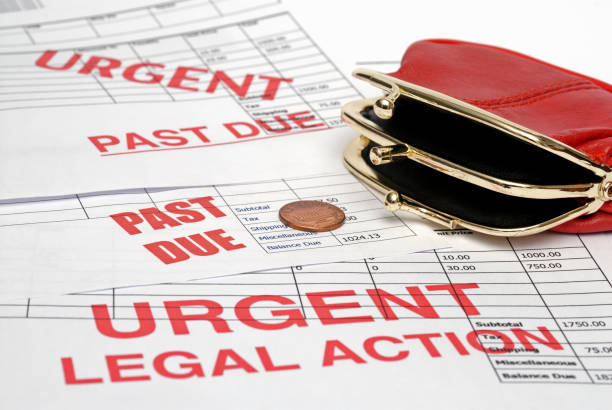
Managing your money in your twenties and thirties is a balancing act. You are likely juggling rent, student loans, a car payment, insurance, and maybe even a few streaming subscriptions. With so many moving parts, it is incredibly easy for a single due date to slip your mind. A missed payment does not just result in a late fee; it can also damage your credit score, which affects everything from your ability to rent an apartment to the interest rate on your next car loan. The good news is that you do not have to rely on your memory alone anymore. Technology has provided us with tools that act as a safety net, ensuring that your bills are paid on time, every time.The days of writing checks and mailing envelopes are largely behind us, replaced by digital wallets and automatic transfers. However, simply setting up autopay is not always the perfect solution. Sometimes, you need to review a bill before it is paid to ensure there are no errors or fraudulent charges. This is where payment reminders and financial apps come into play. They bridge the gap between forgetting a bill and blindly paying it. By leveraging these tools, you create a system that protects your credit score while keeping you in control of your cash flow.One of the simplest ways to start is by utilizing the calendar app already on your phone. This is a foundational step that costs nothing and takes only a few minutes to set up. The key is to schedule your reminders at least three to five days before the actual due date. Why? Because this buffer gives you time to transfer money between accounts if necessary or to contact customer service if you spot a problem with the bill. If you set a reminder for the day the bill is due, you are already too late if something goes wrong. By creating a recurring event for each bill, you transform your phone into a personal assistant that nudges you to take action well before the deadline hits.Beyond basic calendar entries, there are dedicated budgeting and bill-tracking apps that offer more robust features. These apps often sync directly with your bank accounts to monitor balances and upcoming due dates automatically. This automation removes the need for manual entry, which is often where people slip up. When you link your accounts, the app sees when a bill is generated and can alert you immediately. Some apps even allow you to categorize your spending, showing you exactly how much of your paycheck is going toward debt versus discretionary spending. This visibility is crucial for building a budget that works in the real world, not just on paper.For those who struggle with the temptation to spend money that is meant for bills, using a bill-pay app can be a game-changer. Many banks offer online bill pay services where you can schedule payments in advance. You can set it and forget it, knowing that the money will leave your account on a specific date. This is particularly helpful for fixed expenses like rent or loan payments that do not change from month to month. By automating these fixed costs, you reduce the mental load of remembering them, freeing up your brainpower to focus on variable expenses like groceries and gas.However, automation requires vigilance. It is vital to check your accounts regularly to ensure that the payments you scheduled actually went through and that the amounts were correct. An automated system is only as good as the data you put into it. If your income varies or you are living paycheck to paycheck, you need to be careful about setting up autopay for everything. If a bill is scheduled to be paid before your paycheck hits your account, you could face overdraft fees, which are costly and frustrating. In these cases, use the app to send you a push notification a few days prior, allowing you to manually trigger the payment once your funds are available.Another excellent feature of modern financial apps is the ability to track your credit score alongside your bill payments. Many apps provide free credit monitoring, which updates you on any changes to your score. When you pay a bill on time, you can often see your score improve or at least remain stable. This positive feedback loop is motivating. It turns the boring chore of paying bills into a rewarding activity where you can see the tangible results of your responsibility. Furthermore, these apps can alert you to potential errors on your credit report, such as a payment reported late when you actually paid on time, giving you the chance to fix it immediately.It is also important to consider the security of the apps you choose. Stick to well-known, reputable apps from established financial institutions or trusted third-party developers. Always use strong, unique passwords and enable two-factor authentication whenever possible. Your financial data is sensitive, and protecting it is just as important as paying the bills themselves. By taking these precautions, you can enjoy the convenience of technology without exposing yourself to unnecessary risk.Ultimately, the goal of using payment reminders and apps is to create a system that works for you, not against you. You want to reach a point where paying bills is a background task rather than a source of anxiety. By combining the simplicity of calendar alerts with the power of dedicated financial apps, you can build a reliable routine that safeguards your credit score. This routine gives you the freedom to focus on your goals, whether that is saving for a house, investing in your career, or simply enjoying a night out without worrying about whether you forgot to pay the electric bill. Take the time today to set up your reminders and download a trusted app; your future self, with a stellar credit score, will thank you.Credit Karma is a top choice. It’s completely free and shows your VantageScore from two major credit bureaus. The app updates weekly, is very easy to use, and explains the factors changing your score. They make money by suggesting credit cards or loans you might qualify for, but you never have to buy anything to see your score and reports.
Start with your list of debts. Two popular methods are the “Snowball” and “Avalanche.“ With Snowball, you pay the smallest debt first while making minimum payments on the rest. With Avalanche, you attack the debt with the highest interest rate first. Choose the one that motivates you most! Then, look at your monthly budget. Find any extra money, even just $20, and add it to your chosen debt’s payment. Stick with it every single month.
It’s very tough, but sometimes possible with special government-backed loans, like an FHA loan. These loans are designed for people with lower scores or thinner credit files. However, you’ll still pay a higher interest rate and extra fees for mortgage insurance. Having no credit history is almost as challenging as having bad credit, because lenders have no record to judge you by. It’s much better to build at least a year or two of solid credit history first.
It’s easy! Just use it for one small, regular purchase every few months, like a streaming service or a coffee. Then, set up automatic payments to pay the full balance from your bank account. This tiny bit of activity tells the bank you’re still using the card. They won’t close it for being inactive. The key is to never carry a balance and pay it off completely each month.
Probably not right that second, but it can be hurt quickly. Most companies do not report a missed payment to the credit bureaus until you are 30 days late. This gives you a short window to fix things. If you pay before that 30-day mark, it might not show up on your credit report at all. This is why acting fast is so important to protect your credit score from damage.