4 months 1 weeks ago
Your credit report is basically a financial report card. It shows lenders, landlords, and even some employers how you handle money. But unlike a school report card, you don’t get to see your credit report every day. And sometimes, the information on it is flat-out wrong. A late payment that you actually made on time. A credit card account that isn’t yours. A balance that you already paid off. These kinds of errors happen more often than you’d think. And the scary part is, they can drag your credit score down for no good reason. That’s where credit dispute tools come in. You don’t have to hire a lawyer or pay some sketchy company to fix things for you. You can handle it yourself, for free, using the tools that the credit bureaus are required to give you.The first thing to understand is that you have three major credit bureaus: Equifax, Experian, and TransUnion. They don’t share information with each other. So an error might show up on one report but not on the others. That means you need to check all three. You can get a free copy of each report once a week at AnnualCreditReport.com. That’s the only official site authorized by the government. Once you have your reports, go through every single line. Look at your personal information, your accounts, your payment history, and your public records. If something looks off, circle it. Then you’re ready to dispute.Credit dispute tools are the systems each bureau uses to investigate errors. You can file a dispute online, over the phone, or by mail. Online is usually the fastest and easiest. You’ll go to the bureau’s website, find the dispute section, and enter the details of the error. You’ll also need to explain why it’s wrong and provide any proof you have, like a bank statement or a letter from your creditor. The bureaus are required to investigate your dispute, usually within thirty days. They’ll contact the company that reported the information, and that company has to verify that the info is accurate. If they can’t, the bureau has to remove or correct it.One of the most useful dispute tools is the ability to upload documents directly on the bureau’s website. You don’t need to print anything or send a physical letter. Just scan or take a photo of your evidence and attach it. This makes the whole process a lot less painful. You can also track the status of your dispute online. You’ll see when the bureau starts the investigation, when they contact the creditor, and when they make a decision. That kind of transparency is important. You’re not left wondering what’s happening. You log in and you see exactly where things stand.Another tool that people often overlook is the dispute letter. While online forms are convenient, a good old-fashioned letter can sometimes get better results. You can write a clear, simple explanation of the error, include copies of your evidence, and mail it to the bureau’s address. There’s no need for fancy legal language. Just say, “This account doesn’t belong to me,“ or “I never made this late payment.“ Be specific. Include your name, address, and a copy of your driver’s license. And make sure you keep a copy of everything you send. This creates a paper trail that you can use if you need to escalate.Now, let’s talk about what happens after you file. The creditor has to respond to the bureau’s investigation. If the creditor agrees the info is wrong, the bureau updates your report. If the creditor says the info is right, the bureau will keep it. But you can still ask the bureau to include a statement of dispute in your file. That means anyone who looks at your credit report will see your side of the story. It’s not a perfect fix, but it can help. And if the creditor keeps reporting something that you believe is false, you can escalate by filing a complaint with the Consumer Financial Protection Bureau. That complaint tool is free, and it can force the creditor and the bureau to take another look.Here’s the thing about credit dispute tools. They’re not magic wands. You can’t use them to remove accurate negative information. If you really did pay late, or if you really did max out a card, that’s going to stay on your report for seven years. Disputes are for errors, not for things you just don’t like. So don’t waste your time trying to dispute legitimate bad marks. But if you find a mistake, you absolutely should dispute it. A single error can drop your score by fifty points or more. That can mean paying a higher interest rate on a car loan, getting denied for an apartment, or even being turned down for a job. Fixing it is worth the effort.The biggest mistake people make is ignoring their credit reports entirely. They assume everything is fine because no one has told them otherwise. But by the time you find out about an error, it might already be hurting you. That’s why you should check your reports regularly. Set a reminder on your phone. Do it once a month, even if you just glance at them. If something looks wrong, start the dispute process right away. The tools are there for you. They’re free. And you don’t need any special knowledge to use them. Just be patient, be thorough, and keep track of everything.At the end of the day, your credit report is just a collection of data. And data can be messy. But you have the right to make sure it’s accurate. Credit dispute tools are your way to do that. They put you in the driver’s seat. You don’t have to accept a mistake just because it’s on your report. You can fight back, and you can win.Pay your full statement balance by the due date every single month. If you do this, you won’t be charged any interest at all. Think of it as a free loan for a few weeks! The key is to only buy things you already have the money for in your bank account. This simple habit is the number one rule for using credit cards wisely and keeping your money in your pocket.
First, stay calm and don’t ignore them. Ask for their name, company, and a mailing address. Then, ask for written proof of the debt, called “validation.“ You have the right to get this in writing. Do not give out your bank account or personal info over the phone. Getting the details in writing gives you time to check if the debt is really yours and to figure out your next steps. It also stops aggressive phone calls while you look into it.
Only charge what you can afford to pay off with the cash already in your bank account. Your credit card is not free money or for emergencies—use your savings for that. Pay the entire statement balance by the due date. This way, you avoid all interest charges and late fees while building a perfect payment history, which is the biggest factor in your score.
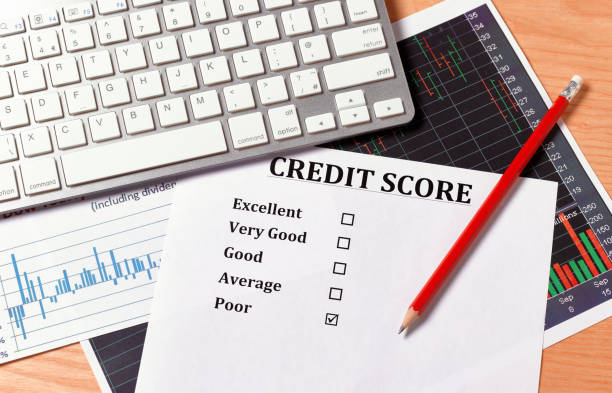
Think of your credit score like a grade for how you handle borrowed money. It’s a three-digit number that tells lenders, like banks or credit card companies, if you’re likely to pay them back. A good score makes life easier and cheaper! You’ll get approved for apartments, car loans, and credit cards more easily, and you’ll pay much less in interest. A poor score can make these things hard to get and very expensive. It’s a key that unlocks better financial opportunities.
Your credit limit is the maximum amount the card company lets you borrow. It’s very important to not use too much of it. Try to keep your balance well below half of your limit, and even lower is better. Using a small amount shows companies you are responsible. Using too much of your limit can hurt your credit score because it looks like you might be in money trouble.