3 months 4 weeks ago
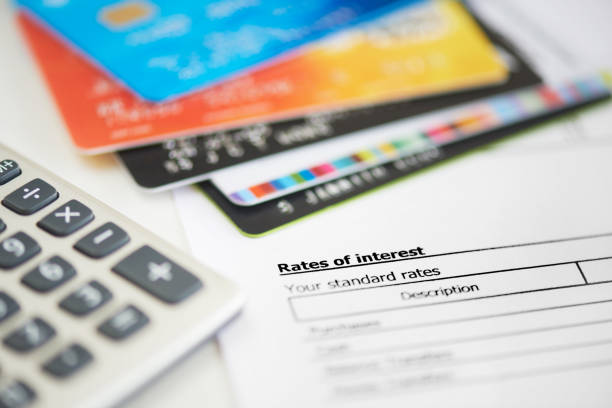
A balance transfer can feel like a financial magic trick. You move a big chunk of credit card debt from a high-interest card to a new one offering zero percent interest for a year or more. Suddenly, your monthly payments actually chip away at what you owe instead of just feeding the interest monster. It sounds like the smartest move you could make. And it can be. But only if you know what you’re doing. Because there are plenty of ways a balance transfer can backfire and leave you worse off than before.The biggest mistake people make is treating the transfer itself as the fix. You move your balance, you get that sweet 0% APR, and then you just keep swiping your old card like nothing happened. That’s a recipe for disaster. Think about it. You just shifted five thousand dollars to a new card. Your old card is now empty. So you start using it again for everyday purchases, groceries, gas, a few dinners out. Before you know it, you’ve racked up another four thousand dollars on that old card. Now you’ve got the original debt on your new card and a fresh debt on your old card. And that new debt likely has a regular interest rate, which is probably just as high as what you were paying before. You haven’t solved anything. You’ve just doubled your credit card balances and multiplied your stress.Another common mistake is ignoring the balance transfer fee. Most cards charge a fee to move a balance over. Typically it’s 3% to 5% of the amount you transfer. On a five thousand dollar balance, a 5% fee is 250 bucks. That’s real money. If you’re transferring a small amount, the fee might eat up any savings you’d get from the lower interest rate. You need to do the math. Compare what you’d pay in interest on your current card over the next year versus what you’d pay in fees on the new card. Sometimes a balance transfer isn’t worth it. Especially for small balances or if you plan to pay off the debt quickly anyway.Then there’s the 0% APR trap. That zero percent isn’t forever. It usually lasts anywhere from twelve to eighteen months. After that, the interest rate jumps to whatever the card’s regular APR is, which is often just as high as your old card. If you haven’t paid off the full balance by the time the promotional period ends, you’re back to square one. And here’s the kicker: the interest doesn’t just start accruing on the remaining balance. It starts accruing on the entire original balance from day one if you miss a payment or violate any terms. Some cards have a clause that retroactively charges interest if you’re late. So one slip-up and the whole deal falls apart.Another sneaky mistake is not reading the fine print on which payments go where. If you use the same card for balance transfers and new purchases, your monthly payment might go toward the transferred balance first, leaving your new purchases to accrue interest at the full rate. That’s a nasty surprise. Card issuers have different rules about how they apply payments, and sometimes they’re allowed to apply the minimum payment to the lowest-interest balance. That means the money you’re sending in is barely touching the debt that’s actually costing you the most.People also forget that closing their old credit card after a transfer can hurt their credit score. When you close a card, you reduce your total available credit. That makes your credit utilization ratio go up, which can drag your score down. Even if you keep the old card open, the transfer itself might cause a temporary dip because the new card comes with a hard inquiry. That’s normal and usually fades in a few months. But closing the old card on top of that can make things worse.The worst mistake of all is transferring a balance and then ignoring the new card altogether. You set up autopay, you think you’re done. But that new card might have a minimum payment that’s higher than you expected. Or the payment due date falls on a day you don’t have the money yet. Miss one payment, and the 0% rate could vanish. Late fees pile up. Your credit takes a hit. All of a sudden, the “smart” move turns into an expensive mess.Here’s the truth. A balance transfer is only a tool. It gives you a window of time with lower interest, but it doesn’t wipe away the debt. You still owe every single dollar. The only way a balance transfer actually helps is if you have a solid plan to pay off the full balance before the promotional period ends. That means cutting up the old card or at least not using it. It means making consistent payments every month, ideally more than the minimum. It means keeping track of the deadline and the fees. And it means being honest with yourself about whether you can follow through.If you’re already in debt, the last thing you want is more complexity. But a balance transfer done right can give you breathing room. Done wrong, it can turn a manageable problem into a financial nightmare. So look at the numbers, read the terms, set a payoff schedule, and stick to it. Don’t let a 0% APR trick you into thinking you’re out of the woods. You’re just building a bridge. Your job is to cross it before it burns.Helping family is common, but you must protect your own credit first. Co-signing a loan for someone means you are 100% responsible if they miss a payment, and it will hurt your score. Instead of co-signing, consider other ways to help, like giving a cash gift if you can. If you must co-sign, be prepared to make the payments yourself. Your financial stability is crucial for your whole family’s well-being in the long run.
Don’t panic! Mistakes happen. You need to “dispute” the error, which just means telling the credit company it’s wrong. Write a letter to the credit bureau that shows the mistake. Clearly explain what’s wrong and include copies of any proof you have, like a bill showing you paid. They must investigate, usually within 30 days, and fix the error if you’re right. This can help improve your credit.
This is tricky. Paying an old collection account won’t automatically remove it from your report. First, ask the collector for proof that the debt is really yours. If you decide to pay, try to negotiate a “pay for delete” deal in writing. This means they agree to remove the collection from your report once you pay. Get this promise in writing before you send any money.
It’s a free service your bank or credit card company provides to show you your credit score. Think of it like a report card for how you handle borrowed money. You can usually find it by logging into your bank’s website or mobile app. It’s often on your account dashboard or in a section called “financial tools” or “credit health.“ It’s a super easy way to keep an eye on your score without having to pay for it or hurt your score by checking.
Credit unions are not-for-profit and owned by their members, so they often have your best interest in mind. They usually offer credit-builder loans with lower fees and better interest rates than many banks or online lenders. They are also more likely to work with you if you’re just starting out or have a thin credit file. People often say credit unions feel more like a community, which can be less stressful when you’re new to building credit.