

today
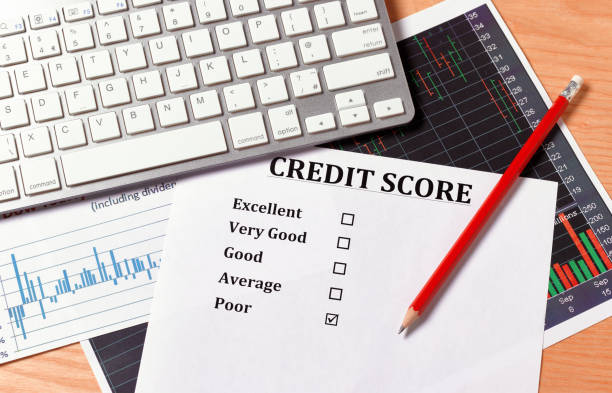
You’re standing at the register, about to pay for your new boots or that big box of electronics, and the cashier asks if you want to save 20% today. All you have to do is open a store credit card. It sounds like a no-brainer. Twenty percent off right now, plus maybe some special financing later. But that little piece of plastic comes with strings that can cost you a lot more than the discount if you’re not careful. Before you say yes, take a minute to understand what’s really going on.Store cards are credit cards, but they’re limited. Unlike a regular Visa or Mastercard that works almost anywhere, a store card only works at that specific retailer, or maybe its sister brands. Some store cards are “co-branded,“ which means they carry a Visa or Mastercard logo and can be used anywhere, but those are less common. The ones you get pitched at the register are usually the closed-loop kind, and they tend to have higher interest rates than standard credit cards. The average store card APR sits around 28% to 30%, but some go even higher. If you ever carry a balance, that interest will eat any savings you got from the initial discount pretty fast.The biggest trap with store cards isn’t the APR, though. It’s the deferred interest on those “special financing” offers. Say you buy a mattress for $2,000 and the store offers “no interest if paid in full within 18 months.“ That sounds great, but read the fine print. With deferred interest, if you don’t pay off the entire balance by the end of the promotional period, you get hit with all the interest that would have accrued from the day you made the purchase. We’re talking hundreds of dollars in retroactive charges. And it’s easy to think you’re making progress by paying the minimum each month, only to find out you still owe $500 when the 18 months are up, and now you owe an extra $400 in interest on top of that. That’s how retail financing turns a “great deal” into a financial headache.Even if you avoid deferred interest, store cards can affect your credit score in ways you might not expect. When you apply, the store does a hard inquiry on your credit report. That alone will lower your score by a few points for about a year. Then, if you’re approved, a new account appears on your report. This drops your average age of accounts, which also nudges your score down a bit. For someone who’s been building credit for a few years, that’s minor. But if you’re new to credit or have a thin file, opening a bunch of store cards quickly can make you look riskier to lenders.The more important factor is credit utilization. That’s the amount of credit you’re using compared to your total available credit. Credit scoring models look at this for each card and across all your cards. If you buy that $2,000 mattress on a store card with a $3,000 limit, you’ve just used 67% of that card’s limit. High utilization is a warning sign to lenders, and it can drop your score by dozens of points. Even if you pay it off in full the next month, the day the statement is reported to the credit bureaus, that high balance shows up. So unless you can keep your spending on the card well below 30% of the limit, you’re going to take a temporary hit.But that doesn’t mean store cards are all bad. Used the right way, they can actually help you build credit. If you need an account to add some positive payment history, a store card can work. The key is to treat it like a tool, not a reward. Buy something small that you were going to buy anyway, pay it off before the due date, and set the card aside. Keep the utilization low, maybe just a few dollars out of a $500 limit, and you’ll gradually build a solid payment history. Over time, that can raise your score and show lenders you know how to handle credit responsibly.Another angle: some store cards offer useful perks like free shipping, exclusive sales, or early access to new products. If you shop at that store often and you’re disciplined about paying your balance every month, the benefits can outweigh the risks. Just remember that the store’s goal is to get you to spend more, not to help you fix your credit. They’re making money from either the interest you pay or the fees they charge the store for the transaction. Don’t let a one-time discount trick you into a long-term burden.So next time you’re at the register and the cashier gives you that tempting offer, pause. Ask yourself: Do I really need this purchase? Can I pay it off in full when the statement arrives? Am I okay with a small ding to my credit score from the hard inquiry? If the answer to all three is yes, go ahead and take the discount. But if you’re not sure, just say no. A 20% discount on a $100 purchase is only $20. That’s not worth risking your credit score or racking up deferred interest. Your financial health is worth a lot more than a tiny discount at the checkout counter.You don’t need a perfect score, but higher is always better. Many loans require a minimum score of 620, but that’s just to get in the door. To get the best rates and loan options, you should aim for a score of 740 or above. If your score is below 620, you’ll likely have a very hard time getting approved by most lenders. Don’t guess—check your score for free online well before you start house hunting so you know where you stand.
Knowing your limit helps you make a smart spending plan. If you don’t know your limit, it’s easy to accidentally spend too much and get hit with fees or a higher interest rate. It also keeps you in control of your finances, so you’re not surprised by your bill. This knowledge is a simple tool that helps you build good credit instead of damaging it.
If you’re just starting out, don’t worry! You can begin by getting a “starter” credit product. This could be a secured credit card (where you put down a cash deposit), becoming an authorized user on a family member’s card, or getting a credit-builder loan from a bank or credit union. Use the card for small, regular purchases you can afford, like gas, and pay the full balance off every month. This slowly builds a positive track record.
Your credit score is like a grade for your borrowing history. A high score tells the lender you’re a safe bet, so they reward you with a lower interest rate. A lower score makes you look riskier, so they charge a higher rate to protect themselves. Think of it this way: a great score could save you tens of thousands of dollars over the life of your loan just by getting a better rate. It’s the single biggest reason to build your credit before you apply.
Your score can drop almost immediately after you’re 30 days late. Credit card companies and lenders typically report to the credit bureaus once a month. If your payment is late when they send their report, that negative mark gets added right away. There’s usually no grace period once you hit that 30-day mark. This is why it’s so important to contact your lender the moment you know you’ll be late—they might offer a one-time courtesy.