6 months 3 weeks ago
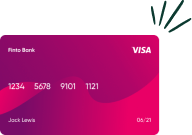
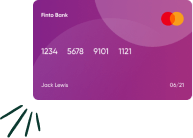
Getting your first credit card is exciting. It feels like adult money, like you’ve unlocked a new level of financial life. But here’s the thing that trips up a lot of people: a credit card is not free money. It’s a loan. Every time you swipe, tap, or enter those 16 digits online, you are borrowing money from the bank that issued the card. And if you don’t pay that money back on time, you’ll get hit with interest charges that can grow faster than a pile of laundry after a two-week vacation. The simplest way to avoid all that mess? Treat your credit card exactly like a debit card. That one mental shift can save you from debt, stress, and a wrecked credit score before you even turn 25.Here’s what that means in real life. When you use a debit card, the money comes straight out of your checking account. If you have $50 in there, you can’t spend $60. The transaction gets declined, and you move on with your day. A credit card doesn’t work that way. The bank gives you a spending limit, say $1,000. You can spend up to that limit even if you only have $200 in your bank account. That’s the trap. You see a $500 gaming console, your credit limit is $1,000, so your brain says “I can afford this.” But you can’t. You only have $200 in cash. The second you put that console on your card, you’ve borrowed $300 you don’t have. Unless you pay that $500 off by the due date, you’ll owe interest on the whole thing, and that interest rate might be 20% or higher. Suddenly that console costs $600, then $650, then $700. Every month you carry the balance, the price goes up. Treating your card like a debit card means you only charge what you could pay for right now from your checking account. If you don’t have the cash, you don’t buy it. Period.Now, some people ask: “What’s the point of a credit card if I’m just going to use it like a debit card?” Good question. The point is to earn rewards, build your credit history, and get protections like fraud liability and extended warranties. You get all the perks without paying a cent in interest, as long as you pay your full statement balance every month. That’s the golden rule. Your credit card has a statement date, which is like the end of a billing cycle, and then a due date, which is usually about three weeks later. When your statement prints, it shows the total you owe for that period. If you pay that total in full before the due date, you pay zero interest. The bank is basically lending you money for free for a few weeks, and then you hand it back. That’s a great deal. But if you only pay the “minimum payment” — that tiny amount the bank is happy to take, like $35 — the rest of your balance rolls over, and interest starts accruing like a snowball rolling downhill. The minimum payment is designed to keep you in debt for years. Don’t play that game.Another way to think about it is to imagine a cash envelope system. Back before credit cards, people put their grocery money in one envelope, gas money in another, and rent money in a third. When the envelope was empty, they were done spending. Your checking account is essentially that envelope. Before you charge something, stop and ask: “Would I hand over cash for this right now?” If the answer is no, then don’t charge it. This simple question forces you to separate needs from wants. That new pair of sneakers might be a want. That emergency brake repair is a need. For the need, sure, put it on the card if you have the cash in the bank. For the want, wait until you have the savings. Delayed gratification is a superpower. It’s what separates people who build wealth from people who just look like they’re doing well.You also need to be honest with yourself about the psychological side of credit cards. Paying with plastic doesn’t feel as painful as handing over twenty-dollar bills. Studies show people spend more when they use credit cards because the pain of spending is delayed. When you tap a card, your brain doesn’t register the loss the same way. But the loss is real. Your bank account will be lower when you pay the bill. By pretending your credit card is a debit card, you force yourself to feel that pinch at the moment of purchase, not three weeks later when the statement arrives. That pinch is a good thing. It keeps you out of trouble.One more practical piece: check your balance and your bank account at least once a week. A lot of first-time cardholders set up autopay and then forget everything. That’s mostly fine, but if you’re not careful, you can spend more than your bank account can cover. Even if you pay off your credit card in full every month, you still need enough money in your checking account to make that payment. If you run your account down to $5 and then your $300 credit card payment hits, you’ll get an overdraft fee, plus your credit card payment might bounce, which triggers another fee and a possible mark on your credit. So treat your checking account balance like the speedometer on a car. Glance at it regularly. And if you ever feel tempted to buy something you can’t pay for in full, remind yourself: a credit card is not an upgrade to your income. It’s a tool. Tools are useful, but you don’t use a hammer to fix a broken engine. You use a credit card to build credit, earn points, and protect your purchases — not to finance a lifestyle you can’t afford. Stick to that rule, and you’ll be ahead of most people your age.The easiest way is to use a free website or app. Many banks now show your score right in their own app. You can also use services like Credit Karma or Experian. They let you see your score anytime without paying a dime. Just remember, checking your own score this way never hurts it, so look as often as you like!
Good credit gives you financial power to help loved ones when they need it. You might co-sign a student loan for a grandchild with better terms because of your score. If a family member has an emergency, you could use a low-interest line of credit to assist them. Your strong credit history gives you the flexibility to be a financial helper without risking your own retirement security.
A credit report error is simply wrong information on your credit file. This could be a bill you already paid showing as unpaid, a loan that isn’t yours, or even a mistake in your name or address. Think of it like a typo on a school paper—it doesn’t reflect your true work. These mistakes can unfairly lower your credit score, so it’s important to find and fix them.
No, checking your own credit report is a smart move and does not hurt your score at all. This is called a “soft inquiry,“ and it’s just for your information. You should check your reports from the three major bureaus at least once a year for free at AnnualCreditReport.com. What can hurt your score is when a lender checks your credit because you applied for a new loan or credit card (a “hard inquiry”). So, go ahead and check yours—it’s like getting a grade without it affecting your average.
No, it does not guarantee your score will go up, but it is a strong tool to help. Your score depends on many factors, like payment history, how much debt you have, and the length of your credit history. Reporting your bills adds positive payment history, which is a big factor. However, if you have other negative items or high credit card balances, those can still hold your score down. It works best as part of a overall good credit habit.