4 months 1 weeks ago
If you have no credit history, or your credit score is in the dumps, you probably think a credit card is your only way forward. But that’s just not true. There’s a lesser-known tool called a secured loan that can help you build credit from scratch or repair a broken score. And the best part? You don’t need a plastic card, a high limit, or even a decent score to get started. A secured loan is basically a loan that’s backed by something you already own, usually cash in a savings account or a certificate of deposit. You put down a certain amount of money as collateral, and the lender gives you a loan for that same amount. While you’re paying it back, the lender reports your payments to the three major credit bureaus. On-time payments boost your credit score. Missed payments? They hurt you, just like any other loan.Here’s how it works in real life. Let’s say you have $1,000 sitting in a savings account. You go to a bank or credit union that offers secured loans. You hand over that $1,000 as collateral. The bank then lends you $1,000, but here’s the catch: you don’t get the cash upfront. Instead, the bank puts the loan amount into a separate account, and you make monthly payments on it, just like a car loan or a personal loan. The bank’s money is safe because they’re holding your $1,000 as a guarantee. Once you’ve paid off the entire loan, the bank releases your original $1,000 back to you. In the meantime, you’ve built a history of on-time payments, which is exactly what credit scores love.Why would anyone do this? It sounds like paying interest for no reason. But think about it from a credit-building perspective. Your credit score is not just about whether you pay your bills. It’s about whether you can handle different types of credit. Credit cards are revolving credit – you borrow a little, pay it back, borrow again. Installment loans are different – you borrow a fixed amount and pay it off in equal monthly payments. Lenders like to see that you can handle both. By using a secured loan, you add an installment loan to your credit mix without needing a car or a mortgage. That diversity can give your score a solid boost, especially if your credit file is thin.Another big upside: the requirements are low. You don’t need a high credit score to qualify because the loan is secured by your own money. The bank isn’t taking a huge risk. You also get to choose the loan amount, usually anywhere from a few hundred dollars to several thousand. Many banks and credit unions offer secured loan programs specifically designed for credit building. Some even report your payments to all three bureaus, while others might only report to one or two. So before you sign up, ask if they report to Equifax, Experian, and TransUnion. That way you get the full benefit.Now, the downsides. You’re paying interest on a loan that you could have just used your own money for. That interest is the cost of building credit. But shop around – rates on secured loans are usually lower than credit cards. Also, if you miss too many payments, the bank can take your collateral. That’s the risk. But if you set up automatic payments and treat this like any other bill, you’ll be fine.One strategy is to take out a small secured loan, like $500 or $1,000, and pay it off over six to twelve months. You’ll get your money back at the end, minus the interest you paid. Meanwhile, your payment history shows you’re responsible. After that, you’ll have a better credit score, which can open doors to unsecured credit cards, car loans, or even an apartment rental. You can also use a secured loan alongside a secured credit card, but you don’t need the card if you want to avoid that path. The loan alone works.Another tip: keep your credit utilization in mind. That’s the ratio of what you owe to your credit limits. Secured loans don’t have a utilization aspect, so they won’t hurt you in that area. They just show as an installment account. As you pay down the principal, the balance decreases, which looks good on your report.The bottom line is that a secured loan is a straightforward, no-frills way to build credit without ever touching a credit card. It’s perfect for anyone who wants to avoid the temptation of plastic, or who doesn’t qualify for a standard loan. All you need is some cash in the bank and a commitment to make payments on time. Over the course of a year, you can go from having no credit to having a solid score that gets you noticed by lenders. And when the loan is done, your money comes back to you, so you haven’t lost a thing – except the interest, which is a small price to pay for a strong financial future.If you’re just starting out, don’t worry! You can begin by getting a “starter” credit product. This could be a secured credit card (where you put down a cash deposit), becoming an authorized user on a family member’s card, or getting a credit-builder loan from a bank or credit union. Use the card for small, regular purchases you can afford, like gas, and pay the full balance off every month. This slowly builds a positive track record.
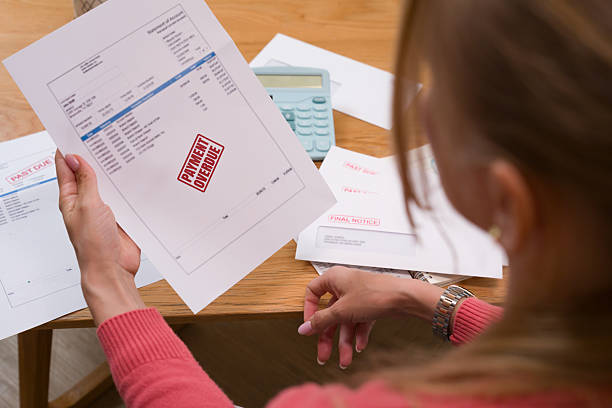
The biggest things that hurt your score are paying bills late and borrowing too much money. If you max out your credit cards or are constantly late on payments, your score will drop. Other negatives include having too many new credit applications in a short time, defaulting on loans, or having accounts sent to collections. These actions signal to lenders that you might be a risky person to lend money to.
“Credit shopping” means applying for similar loans (like a car loan or mortgage) within a short time to compare rates. For these, credit scoring models usually count multiple inquiries as just one if done within about 14-45 days. However, this special rule does NOT apply to credit cards. Every single credit card application you submit will count separately.
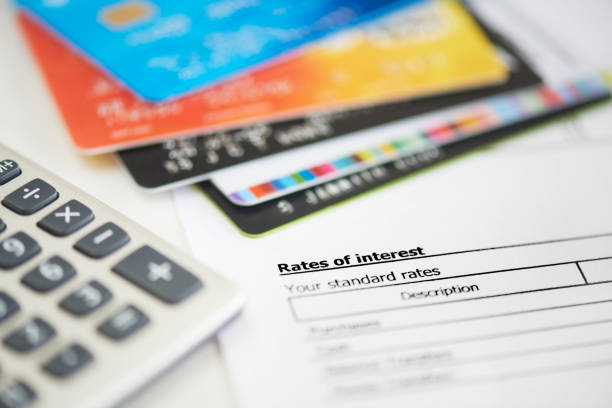
Your statement balance is the total amount you charged during your last billing period. Your minimum payment is a much smaller amount (like $35) the bank says you must pay to keep the account in good standing. If you only pay the minimum, you will be charged high interest on the remaining balance, and debt can grow quickly. To build credit for free, always pay the full statement balance by the due date, not just the minimum.
Starting with just one card is the smart move. Learn to manage it perfectly first—paying on time and in full. Having more than one card can be helpful later to increase your total available credit, which can help your score. But more cards mean more bills to track and more chances to overspend. Only consider a second card after you’ve mastered the first one for at least a year.