2 months 3 weeks ago
When you hear about building credit, the first thing that usually comes to mind is getting a credit card. But you don’t need plastic to establish a solid credit history. If you’re looking for ways to pay for school without federal aid, private student loans can actually serve as a credit-building tool—if you handle them the right way. The key is understanding how these loans work, how they show up on your credit report, and what moves you need to make so they help you instead of hurt you.A private student loan is money borrowed from a bank, credit union, or online lender to cover tuition, books, or living expenses. Unlike federal loans, which are backed by the government and have fixed terms, private loans are based on your creditworthiness. That means lenders look at your credit score, income, and debt history before approving you. If you’re young and have little to no credit, that can be a problem. You might need a co-signer—someone with an established credit history who agrees to pay the debt if you can’t. That’s not a bad thing. A co-signer can help you get a lower interest rate, and as you make on-time payments, both you and your co-signer benefit. But it also means you have a responsibility to protect that person’s credit as much as your own.Here’s the core concept: every time you make a payment on a private student loan, that payment gets reported to the three major credit bureaus—Equifax, Experian, and TransUnion. So long as you pay on time, those positive payment histories get added to your credit file. Over time, that builds a track record of reliability. Lenders love seeing that because it proves you can manage debt over a long period, not just a single month. A private student loan typically has a repayment term of five to fifteen years, so you have years of steady payments to showcase your trustworthiness. That’s a huge advantage compared to a credit card, where you might only carry a small balance for a few months.But there’s a catch. Student loans are installment loans, not revolving credit. That means you borrow a fixed amount and pay it back in equal chunks. Your credit mix improves when you have both installment loans and revolving credit, but if you only have the student loan, your credit mix is still fine. More important is your payment history, which makes up about 35% of your credit score. One late payment on a private student loan can drop your score by as much as 100 points. And since the loan is private, there are fewer forgiveness options or forbearance programs compared to federal loans. If you hit a rough patch—lost job, medical emergency, unexpected expenses—you still have to make that payment. That’s why it’s critical to only borrow what you truly need and to have a plan for repayment before you sign.Another way private student loans can help your credit is through the initial loan application itself. When you apply, the lender will do a hard inquiry on your credit report. This can temporarily lower your score by a few points. But if you shop around and compare rates from different lenders within a short window—usually 14 to 45 days—the inquiries are grouped into one, so the damage is minimal. That’s a smart strategy anyway because it gets you the best deal. Once you’re approved, the loan amount shows up as debt, which can increase your credit utilization if you have other debts. Utilization is the ratio of what you owe to what you have available, but that mainly applies to revolving credit like credit cards. For installment loans, the impact is different. Your total debt-to-income ratio matters to lenders when they see your report, but it doesn’t kill your score as long as your payments are manageable.To build credit without a credit card using a private student loan, you need to be strategic. Start by choosing a lender that reports to all three bureaus. Most do, but some smaller ones may not. Call and ask before you apply. Then set up autopay so you never miss a payment. Many lenders even give you a small interest rate discount for doing that. Also, try to make your payments on time from the very first month. That includes during in-school deferment. Some private loans allow you to defer payments while you’re in school, but if you can pay even a small amount—like $25 a month—it establishes a payment history sooner. Not all lenders report deferred payments as positive activity, so check your credit report after a few months to see what’s being recorded.One more thing to keep in mind: private student loans are not a shortcut to a perfect credit score. They’re a tool, just like anything else. If you borrow more than you can afford, you’ll get buried in debt, and late payments will wreck your credit for years. But if you borrow wisely, keep your monthly payment low, and treat the loan like a serious commitment, you’ll come out on the other side with a strong credit history that opens doors for car loans, mortgages, and even better interest rates down the road. No credit card required.You should check it at least once a year. A great plan is to get one free report every four months, rotating between the three companies. This way, you can keep an eye on things all year long for free. Also, check it about three to six months before you plan to apply for a big loan, like for a car or house. This gives you plenty of time to fix any problems you find.
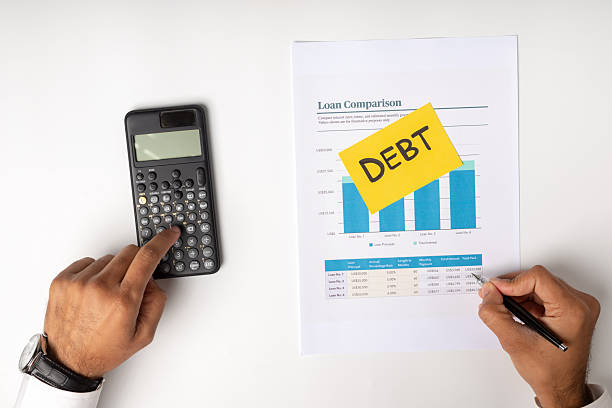
Stop and take a deep breath. The first step is to know exactly what you owe. Make a simple list of all your debts. Write down who you owe, the total amount, and the minimum monthly payment. Seeing it all in one place takes away the scary unknown. You can’t make a plan until you know what you’re dealing with. This list is your starting point, and it’s a powerful tool to help you feel back in control.
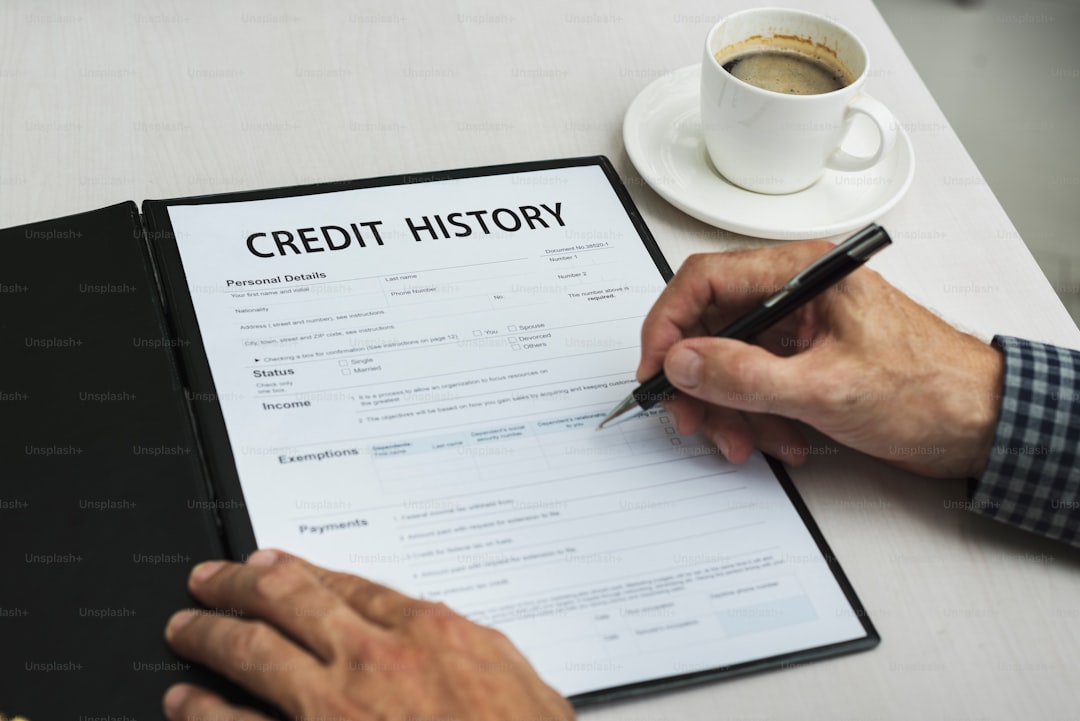
You can get your three credit reports for free every week at AnnualCreditReport.com. That’s the only official, totally free site. For your score, check with your bank, credit card company, or a reputable free service. Never pay for this basic information. Setting a calendar reminder can help you remember to do your free checks.
You can get your free report at AnnualCreditReport.com. This is the only official website set up by law. You can get one free report from each of the three big companies—Equifax, Experian, and TransUnion—every year. Be careful of other websites that say “free” but then try to charge you monthly fees. Always go straight to the official site to avoid any surprise costs.
This is tricky. Paying an old collection account won’t automatically remove it from your report. First, ask the collector for proof that the debt is really yours. If you decide to pay, try to negotiate a “pay for delete” deal in writing. This means they agree to remove the collection from your report once you pay. Get this promise in writing before you send any money.