1 month 3 weeks ago
Getting your first credit card feels like a rite of passage. You are finally trusted with plastic that can buy things now and pay for them later. But that trust cuts both ways. Used right, a credit card is the single best tool for building a solid credit history in your late teens and early twenties. Used wrong, it can load you down with debt and wreck your score before your first real job even starts. The good news is that the rules for success are simple, even if they require a little patience.Before you apply for anything, understand what a credit card is not. It is not free money. It is not an extension of your paycheck. It is a short-term loan that you have to pay back, usually within a month, to avoid interest. The easiest way to think about it is like this: the card company pays the store for you, and then you pay the card company back. If you do that on time and in full every month, you build a track record of responsible borrowing. That track record is your credit score, and it will eventually decide whether you can rent an apartment, get a car loan, or even land a job.So how do you choose that first card? Look for one designed for students or people with no credit history. Many big banks offer student cards with cash back on simple purchases like gas and food. If you cannot get approved for an unsecured card, a secured card is the way to go. You put down a deposit, say two hundred dollars, and that becomes your credit limit. It works exactly like a regular card, but the deposit protects the bank if you bail on your payments. After six months of on-time payments, you usually get your deposit back and move up to a real card. Either option is fine, as long as you read the terms and know the annual fee and the APR.Once you have the card in your wallet, the real work begins. Keep your spending small and boring. Use it for gas, groceries, or a streaming subscription. Something you already budget for anyway. Do not use it to buy a new phone or a round of drinks for your friends. When the monthly statement arrives, look at the balance and the due date. Pay the full statement balance before that due date. Not the minimum. Not half. The full thing. If you do this consistently, you never pay a cent of interest, and your score climbs automatically.There is a rule of thumb you will hear everywhere: keep your credit utilization under thirty percent. That means if your limit is one thousand dollars, do not owe more than three hundred at any given time. Even better, try to keep it under ten percent. Your utilization ratio is a huge factor in your score, and lenders like to see that you are not maxing out your available credit. The trick is to remember that utilization is reported to the credit bureaus based on your statement balance, not what you pay later. So if you have a big purchase coming up, pay it off before the statement closes, or keep it well under that thirty percent line.Another huge mistake is missing a payment. One late payment can stay on your credit report for seven years. Set up automatic payments for at least the minimum, but your goal is always the full balance. If you cannot afford to pay your full balance at the end of the month, you bought too much. Cut back. The point is not to live on borrowed money. The point is to show that you can borrow a little and pay it back like clockwork.As you get into your early twenties, you will start to see other credit products. A car loan, maybe a small personal loan. Do not rush into them. Your credit card is enough for now. Keep the account open, even if you stop using it regularly. The length of your credit history matters, and your oldest card is the anchor of that history. Closing it shortens your average account age and hurts your score.Also check your credit report for free once a year from each of the three major bureaus. You can stagger them, one every four months, to keep an eye on things without paying. Look for errors or accounts you do not recognize. Identity theft happens at every age, and catching it early is much easier than fixing it later.Finally, do not obsess over your score week to week. It will bounce around based on how much you owe and when you pay. What matters is the long arc. Six months of on-time payments beats a month of perfect timing. Twelve months beats six. Your twenties are the perfect time to build that arc because you have time on your side. Make the small choices now, pay your card in full, keep your balances low, and let your credit score become a quiet asset that opens doors when you need it most.The first card is not about what you can buy. It is about proving you can handle the responsibility. Do that, and everything else gets easier.You can co-sign a small loan for them, like a small personal loan or a credit-builder loan from a bank or credit union. As a co-signer, you promise to pay the loan if they can’t. This is a much bigger risk for you than the authorized user method. Another great option is to guide them to get a secured credit card themselves, where they put down a cash deposit that becomes their credit limit.
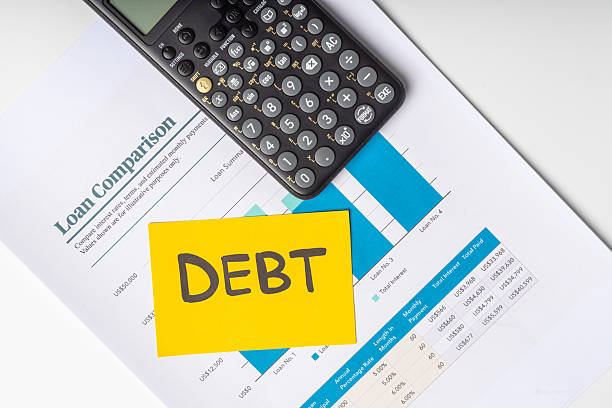
Stop and take a deep breath. The first step is to know exactly what you owe. Make a simple list of all your debts. Write down who you owe, the total amount, and the minimum monthly payment. Seeing it all in one place takes away the scary unknown. You can’t make a plan until you know what you’re dealing with. This list is your starting point, and it’s a powerful tool to help you feel back in control.
The rules are usually simpler than for a regular loan. You typically need to be a member of the credit union (which is easy to join), have a steady source of income, and be able to afford the monthly payments. They often don’t check your existing credit score heavily, because the whole point is to help you build it. The main thing they want to see is that you are reliable and can make those small payments each month.
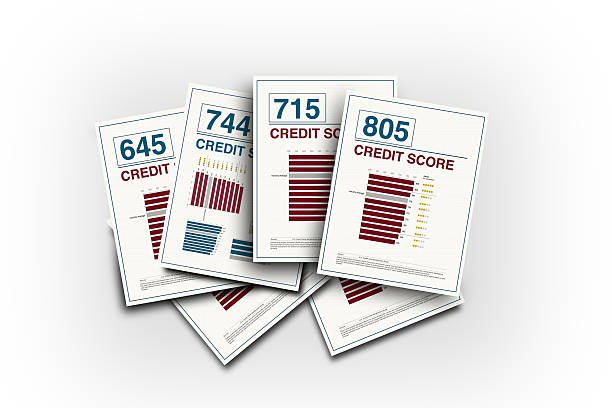
Paying on time is the biggest factor in your credit score. Think of it like a report card for how you handle money. Every time you pay a bill by its due date, you’re getting an “A.“ Payment history makes up over one-third of your score, so just being consistent with this one habit builds a strong foundation for great credit.
It’s a simple guideline to keep your score safe. Try not to let your balance go above 30% of your credit card’s limit. For example, if your limit is $1,000, aim to keep your balance below $300. This isn’t a strict law, but staying below this mark tells the credit bureaus you’re not overusing your card. Remember, lower is even better! The people with the very best scores often keep their utilization below 10%.