6 months 1 weeks ago
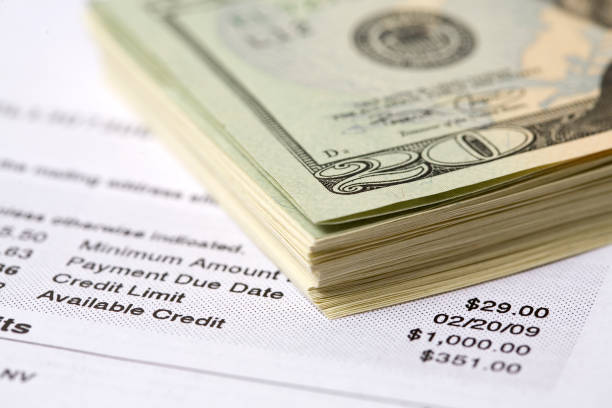
When you get a credit card bill, you see a due date. That’s the date you need to have your payment in. But there’s a lot of confusion about what happens if you pay on that exact day, or a day after, and what those terms really mean. Let’s break it down in plain English.First off, let’s talk about something called a grace period. Despite the name, it’s not a free extension to pay late. A grace period is actually the time between the end of your billing cycle and your payment due date. During that window, your purchases don’t accrue interest as long as you’ve done something important: paid your previous statement balance in full. If you’ve been carrying a balance from month to month, then you likely don’t have a grace period, and interest starts adding up from the day you make a purchase. That’s why it’s so crucial to pay off your entire statement balance, not just the minimum.Now, the due date itself. The due date falls roughly three weeks after your billing cycle closes. That gives you time to see your charges and make a plan. Many people think that if they make a payment at 11:59 PM on the due date, they’re fine. In theory, that’s true if your credit card processor accepts it. But there’s a catch. Some card issuers require payments to be received by a certain time, like 5 PM or 8 PM, on the due date. And if you’re using the issuer’s own website or mobile app, they’ll usually accept payments until midnight in your time zone. But if you’re mailing a check or using a third-party bill pay service, the processing time can take days. So relying on the due date as your actual deadline is risky.Here’s another important rule that many people don’t know: if your due date falls on a weekend or a banking holiday, you’re generally protected. The Consumer Financial Protection Bureau has a rule that says if a credit card company doesn’t receive payments on weekends or holidays, then any payment received on the next business day must be considered on time. So if your due date is a Saturday and you pay on Monday, you won’t be hit with a late fee or a penalty APR. But this only applies if the card issuer doesn’t have a system to accept payments on that day. Most online payments go through 24/7, so the rule might not save you. To be safe, just don’t wait until the last second.Another thing to understand: the grace period for a purchase can be lost if you’re late by even one day. Once you slip up, the credit card issuer can start charging interest on the entire unpaid balance from the date of each transaction. That can be a huge bite. For example, you buy a $500 television and then forget to pay your statement on time. Interest could be backdated to the day you made that purchase, meaning you’ll pay interest on that $500 for an extra three weeks or more. That’s why setting up automatic payments is one of the best moves you can make. Even if you automate just the minimum, it’s better than nothing. But the goal is to automate the full statement balance so you never lose your grace period.Let’s talk about due date changes. You can call your credit card company and request a different due date. They are required to allow this, as long as you haven’t asked for a change in the past year and your account isn’t delinquent. This is super helpful if your due date falls right after payday and you need more time to get funds together. Just remember that changing your due date doesn’t change the billing cycle length, so don’t expect a period of no interest beyond the usual.One more thing: what counts as a payment on time? If you pay in full by the due date, great. If you pay at least the minimum on time, you avoid late fees and penalty interest, but you’ll still pay interest on the remaining balance. And if you pay after the due date, you get a late fee, which can be up to $40 or more, and your interest rate might jump. That’s a nasty surprise. So always try to pay at least the minimum well before the due date.A simple trick: move your due date to a few days after the start of the month, then set an automatic payment for the full balance a week before that due date. That gives you a nice buffer. You’ll rarely worry about missing a payment, and you’ll always be in the grace period.In the end, the due date is not a suggestion. It’s a hard rule that can cost you if you ignore it. But the grace period is your friend if you treat it right. Pay your balance in full, know your due date, and never assume you have extra time. That’s how you keep your credit healthy and your wallet happy.You should check your report because it’s like a report card for your money habits. It shows if you pay bills on time and how much you owe. Mistakes can happen, and a mistake on your report can hurt your credit score. By checking it for free, you can find and fix errors. This helps you get better loan rates and saves you money. It’s your right to see this information, so you should use it!
Good information can stay on your report for a long time and help you! Positive accounts, like a loan you paid off perfectly, can stay for up to 10 years. Negative information, like late payments or collections, generally stays for about 7 years. This means mistakes from your past won’t haunt you forever. More importantly, it shows that building new, good habits today will quickly start to outweigh old problems.
Applying for many cards in a short time makes you look risky to banks. Each application causes a “hard inquiry” on your credit report. Too many of these inquiries can lower your credit score. Banks think, “This person needs a lot of money fast!“ and get nervous. It’s better to be patient and apply only for cards you really need and can get.
Start by talking to your current bank or credit union, as they often offer these loans. You’ll tell them how much you want to borrow and what you plan to use as collateral. They will check your credit and value your collateral. If approved, they will hold the title to your car or block the funds in your savings account until you fully repay the loan. Once you sign the agreement, you’ll get the money and start making regular monthly payments.
It helps in two big ways. First, it adds a new type of credit account to your report, which is good for your “credit mix.“ Second, and most importantly, it creates a history of on-time payments. Every single monthly payment you make on schedule is reported as a positive mark. Since payment history is the biggest factor in your score, a year of perfect payments from this loan can give your score a real and steady boost.