6 months 2 weeks ago
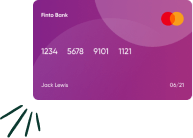
You are at the checkout counter, and the cashier asks if you want to open a store card for 20% off today’s purchase. It sounds like a no-brainer. You are already spending the money, so why not save some right now? But that little piece of plastic comes with strings attached, and if you are not careful, it can drag your credit score down and leave you paying way more than you saved.Store cards are a type of credit card that only works at one specific retailer or a group of stores under the same brand. Think department stores, clothing shops, electronics chains, and gas stations. They are also a big part of what is called retail financing, which is just a fancy way of saying the store is lending you money to buy their stuff. The appeal is simple: instant savings at the register, plus special deals for cardholders later on. But the fine print can be brutal.The biggest trap is the interest rate. Store cards often have APRs that are two or three times higher than a regular credit card. The average APR for a store card in recent years has been over 28%, while a standard credit card sits around 20% or lower. That might not seem like a huge difference until you carry a balance. If you put a $500 TV on a store card and only make the minimum payment each month, that 28% APR means you will end up paying close to twice the original price over time. And that 20% discount you got at sign-up? It disappears into the interest payments pretty fast.Then there is the deferred interest trick. Many stores offer something like “no interest if paid in full within 12 months.“ That phrase sounds great, but here is the catch. If you do not pay off the entire balance before the promo period ends, the store charges you all the interest from the very first day, retroactively. So you bought a $1,000 laptop with a 12-month no-interest deal, but you missed the deadline by a week because you had a car repair come up. Suddenly, you owe interest on that purchase for the whole year at a rate of 29.9%. That can add hundreds of dollars to your bill in one shot. This is not a penalty fee. This is the store saying you lost the deal, and now you owe everything you avoided.Store cards can also hurt your credit score in ways you might not expect. When you sign up, the store runs a hard inquiry on your credit report. That alone can knock a few points off your score. Then there is the credit limit. Store cards usually give you a small limit, maybe $300 or $500, especially if you are new to credit or have a shaky history. And here is the key metric credit scoring models use: utilization. That is how much of your available credit you are using. If you charge that $300 limit up to $250, you are using over 80% of that card’s limit. Even if you pay it off quickly, while the balance is high, your credit score takes a hit. That can raise red flags for lenders and even make your car insurance premium go up in some states.But that does not mean store cards are always terrible. If you use them the right way, they can actually help you build credit. The trick is to treat them like cash, not like a loan. Use the card to buy something you were already planning to buy, get your discount, and then pay the balance off in full when the bill arrives. That way, you avoid interest completely, and you also build a history of on-time payments, which is the biggest factor in your credit score. Plus, since store cards are easier to get approved for than regular credit cards, they can be a decent first step for someone with no credit history.The key is to know exactly what you are signing up for. Read the terms at the bottom of that screen before you click yes. Look for the APR, the grace period, and any deferred interest clauses. Ask yourself honestly: will I be able to pay this off in full next month? If the answer is no, the discount is not worth it. If the answer is yes, then go ahead, but set a reminder to pay it off right away. And never open a store card just to get a discount on something you were not going to buy anyway. That is the fastest way to turn a deal into debt.Retail financing can be a helpful tool when you need to spread out a big purchase, like a new fridge or a mattress. But only if you can commit to paying it off before any promo period ends. Otherwise, you are playing a game the store is designed to win. The house always has the edge. Your job is to walk out with the savings without giving them the interest. That takes discipline, not luck. Know your budget, know the terms, and always pay more than the minimum. Or better yet, pay the full statement balance every single month. If you can do that, a store card is just a way to get a little extra discount. If you cannot, it is a trap that will cost you far more than you saved today.Use your card for small, regular purchases you can afford, like a monthly streaming service or gas. Always, always pay the entire statement balance on time every month. This shows lenders you are responsible. Try to keep your spending well below your credit limit; using less than 30% is a great goal. Do this consistently for 6-12 months. This good behavior gets reported and builds your credit score, opening doors to better cards and loan rates in the future.
Start by talking to your landlord or property manager. Ask them if they already report rent payments to credit bureaus. If they say no, you can research reputable rent reporting services online. You will often need your landlord to verify your payment history. Choose a service, sign up, and then keep paying your rent on time to build that positive history!
A starter card is your first step into using credit. It’s made for people who are new to credit or are trying to build it from scratch. These cards usually have lower credit limits and simpler rules to help you learn. Think of it like training wheels for a bike. They help you get the hang of spending responsibly and paying on time without giving you too much spending power right away. Using one well is the best way to build a strong credit history.
Ask utility companies (like your internet or phone provider) to report your on-time payments to the credit bureaus. If you have student loans or a car loan, paying those on time also builds credit. Becoming an authorized user on a family member’s old credit card can help, too. The key is showing you can manage different types of payments consistently over time.
You don’t need a perfect score, but higher is always better. Many loans require a minimum score of 620, but that’s just to get in the door. To get the best rates and loan options, you should aim for a score of 740 or above. If your score is below 620, you’ll likely have a very hard time getting approved by most lenders. Don’t guess—check your score for free online well before you start house hunting so you know where you stand.