3 months 1 weeks ago
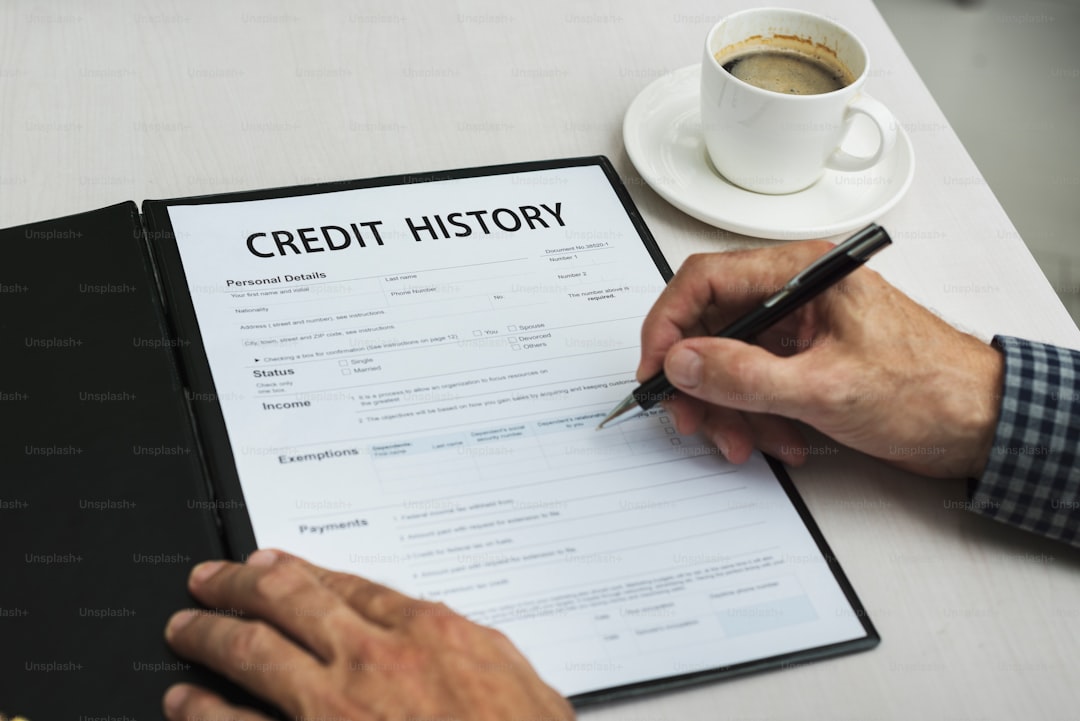
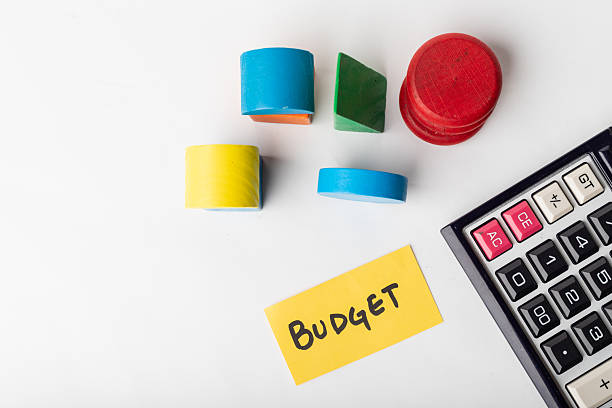
When you pull your credit report, your first instinct is probably to scroll straight to the accounts. That makes sense. You want to see your credit cards, loans, and payment history. But before you do that, take a long look at the personal information section at the top. It might seem boring, but it can be the root of major credit problems if it contains mistakes. Even a small error like a wrong address or a misspelled name can drag down your score or even mix your credit file with a complete stranger’s.Your credit report is built around your identity. Every time a lender checks your credit, they are trying to confirm that the report they see actually belongs to you. The personal information section is the anchor for all of that. It includes your full name, current and past addresses, date of birth, Social Security number, and often your current and previous employers. If any part of this is incorrect, the whole report becomes suspect. A single digit off in your Social Security number on an old account can link that account to someone else entirely. That means their late payments, maxed out cards, or even bankruptcies could show up on your report. You would be paying the price for a person you have never met.The most common issue in this section is a mixed file. Credit bureaus use automated systems to match information. They might see a similar name or address and assume two different people are the same person. For example, if you share a name with your father or your son, and you have lived at the same address at different times, the bureaus can get confused. You might see his credit card on your report, or your accounts might show up on his. This is a nightmare that can take months to untangle. But if you catch it early by reading your personal info section carefully, you can dispute it quickly before it does serious damage.Another frequent error is an outdated address. You moved three years ago, but your report still lists an old apartment you lived in. That might not seem like a big deal, but it can cause problems when you apply for new credit. Lenders use your addresses to verify that you are who you say you are. If the address on your application does not match the one on your report, the lender might think you are lying or that someone is using your identity. This triggers extra verification steps, which can delay your loan approval or cause it to be denied altogether.Your employment information can also be wrong. Maybe you left a job two years ago, but the report still lists that employer. Or maybe it lists an employer you never worked for. This is usually harmless, but it can still cause headaches if a lender uses that field to confirm your identity. Also, if you apply for credit at a place that checks your employment history, a false entry can make you look unreliable. You want everything in that section to be current and accurate.So what should you do? The good news is that you can get free copies of your credit reports from all three major bureaus at AnnualCreditReport.com. Go through each one and check the personal information section line by line. Is your full legal name correct? Do you use a middle initial or suffix like Jr. or Sr.? Make sure it matches how you sign important documents. Are your current and past addresses correct? If you see a typo or an apartment number that is wrong, that is a problem. Check your date of birth. Check your Social Security number. Even if you are scared to look, you need to verify that the last four digits are right. Every single detail matters.If you find an error, do not panic. You can dispute it with the credit bureau that shows the mistake. Go to their website and file a dispute online, or send a letter by mail. Keep it simple and direct. State that the information is wrong, give them the correct details, and ask them to remove it. The bureau is required to investigate within 30 days. They will contact the source of the error and get back to you. If they fix it, your report should update within a few weeks. If they say the information is correct, you can add a statement of explanation to your file.The personal information section is not just a formality. It is the foundation of your entire credit history. Take ten minutes right now to pull your reports and read that part carefully. It might be the easiest way to avoid a disaster later. And if you do find a mistake, remember that fixing it is your right as a consumer. Your report should be about you, and only you.Start with your list of debts. Two popular methods are the “Snowball” and “Avalanche.“ With Snowball, you pay the smallest debt first while making minimum payments on the rest. With Avalanche, you attack the debt with the highest interest rate first. Choose the one that motivates you most! Then, look at your monthly budget. Find any extra money, even just $20, and add it to your chosen debt’s payment. Stick with it every single month.
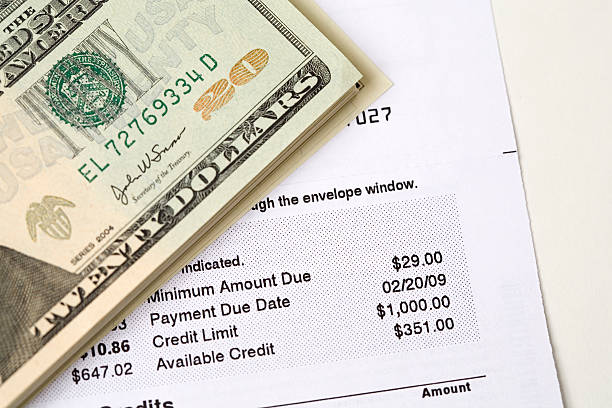
Your statement balance is the total amount you charged during your last billing period. Your minimum payment is a much smaller amount (like $35) the bank says you must pay to keep the account in good standing. If you only pay the minimum, you will be charged high interest on the remaining balance, and debt can grow quickly. To build credit for free, always pay the full statement balance by the due date, not just the minimum.
The very first thing is to stay calm and take action right away. Ignoring the missed payment will only make things worse. Log into your account online or call the company you owe money to. Tell them you missed the payment. They might be able to help you, and it shows you are trying to fix the problem. The sooner you deal with it, the better your chances of avoiding extra fees or a big hit to your credit score.
Your phone can be a great tool for safety. Set up alerts so your bank texts you for every purchase. This way, you’ll know instantly if something is wrong. Many banks also let you “freeze” your card right from their app if you just misplace it, then “unfreeze” it if you find it. Using your phone to pay (like with Apple Pay or Google Pay) can also be safer than swiping your physical card.
Paying all your bills on time, every single time, is the absolute most important thing. Your payment history is the biggest piece of your credit score. Think of it like a report card for paying bills. Every on-time payment is an “A+“ that helps your score. Even one late payment can hurt you a lot and stay on your report for years. Set up reminders or automatic payments so you never forget. This one habit builds a strong foundation for everything else.