today
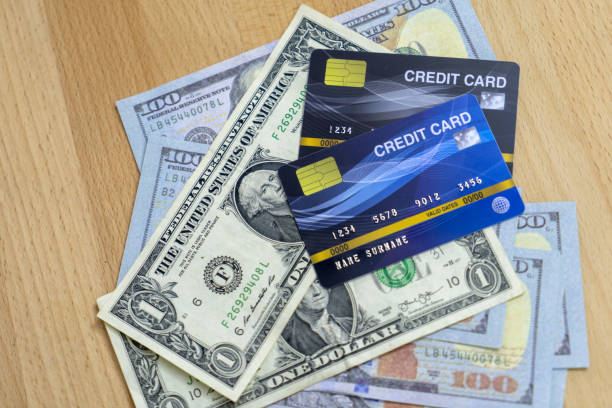
Credit utilization is one of the biggest pieces of your credit score you can control. It is simply how much of your available credit you are using. If you have a card with a $2,000 limit and the balance is $600 when the issuer reports it, your utilization on that card is 30 percent. If the balance is $200, it is 10 percent. Lower is generally better. The trick is understanding when your card issuer reports your balance, and then paying before that moment.Many people assume the due date is the only date that matters. It matters for avoiding late fees and interest, but it is not the date that decides the balance shown on your credit report. The date that usually matters most is the statement closing date. The issuer adds up your purchases, subtracts your payments, and creates a statement. It then reports that statement balance to the credit bureaus. If you pay before the statement closes, the reported balance can be much lower. If you wait until the due date, which is often three weeks later, the higher balance has already been reported.Here is a simple example. Suppose your limit is $1,500. You spend $500 during the month. If you do nothing, the statement may close with a $500 balance. That is about 33 percent utilization. If you pay $400 a few days before the statement closes, the issuer may report only $100. That is about 7 percent utilization. Your credit score sees a lower balance, even though you used the card. You still owe the remaining $100, and you should pay that by the due date to avoid interest. The early payment is not a replacement for paying your bill. It is a timing move that keeps your reported utilization low.To make this work, find your statement closing date. It is not the same as your due date. Once you know it, set a reminder for three or four days before. On that day, log in and make a payment. You can pay part of the balance or the full balance, depending on your budget. If you pay the full balance before the statement closes, the issuer may report a zero balance. That can be great for your score, but only do it if you have the cash. Never pay money you need for rent, food, or emergencies just to lower a score.A good lifelong habit is to treat your credit card like a debit card. Spend only what you can cover with money you already have. Then check your balance once a week. If it is getting high, make a mid-month payment. This does two things. It keeps your reported utilization low, and it forces you to pay attention to your spending. A weekly check takes two minutes and can save you hundreds in interest.Another helpful move is to split your payments. If you get paid every two weeks, make a payment after each paycheck. That keeps the balance low all month. By the time the statement closes, the reported balance may be small. You can also set autopay for the statement balance on the due date. That protects you from late payments. Just remember that autopay alone may not lower the balance reported at statement close. You can use both: a manual payment before the closing date and autopay for whatever remains.For lifelong credit health, keep your utilization low across all cards, not just one. If you have three cards, try to keep each one under 30 percent, and aim for under 10 percent overall. If one card has a high balance because of a big purchase, pay it down before the statement closes. You can also ask for a credit limit increase, but only if you can handle it without spending more. A higher limit lowers your utilization percentage automatically, but it does not fix overspending.The best part about this strategy is that it costs nothing and takes little effort. Know your statement closing date. Pay before it. Pay the rest by the due date. Check your balances weekly. Do this month after month, and you will keep utilization low for life. Your credit score will reflect the responsible habits you already have.Not all bills normally get reported. Bills from loans or credit cards always get reported. But your rent, utilities, and streaming services usually don’t—unless you use a special service that reports them for you. The key is that late payments on any bill can end up hurting your score if the company sends the debt to a collection agency.
Don’t wait! Call your bank or card company immediately. The phone number is usually on their website or on your statement. The faster you report it, the less money you might be responsible for. They will cancel your old card and send you a new one with a new number. Always check your statements or app regularly to catch any strange charges early.
A credit repair company can review your credit reports for mistakes. They can help you write letters to dispute errors with the credit bureaus. They can also give you advice on how to build better credit habits. However, they cannot do anything you cannot do for yourself for free. They cannot lie about your information or create a new “credit identity” for you. Their main job is to guide you through the process of fixing errors.
Probably not right that second, but it can be hurt quickly. Most companies do not report a missed payment to the credit bureaus until you are 30 days late. This gives you a short window to fix things. If you pay before that 30-day mark, it might not show up on your credit report at all. This is why acting fast is so important to protect your credit score from damage.
Only shop on websites you know and trust. Look for a little lock symbol in the address bar—that means the site is secure. Avoid using public Wi-Fi to make purchases, as hackers can sometimes see what you’re doing. It’s safer to use your home network. Also, consider using a digital payment service on your phone, as these often add an extra layer of protection.