1 month 2 weeks ago
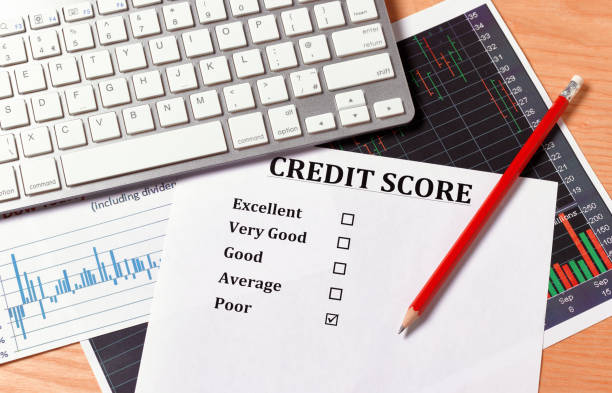
Paying your credit card in full each month is a powerful money habit. It keeps you from paying interest, stops debt from growing, and shows lenders you can handle credit. If you only pay the minimum, the rest carries over and starts collecting interest. A small purchase can turn into a long-term bill. That is why paying the full statement balance by the due date matters.Credit cards give you a short window to pay without interest. When you buy something, it shows up on your statement. If you pay the full statement balance by the due date, you usually owe no interest on those purchases. This is often called the grace period. If you pay less, the remaining balance can start charging interest, and new purchases may also lose that no-interest window. That means you can pay for something once and still owe money on it months later.The minimum payment is designed to keep your account in good standing, not to get you out of debt. It is usually a small percentage of your balance. Paying only that can keep you in debt for years and cost far more than what you bought. A $1,000 balance with a high interest rate can take a long time to clear and add hundreds of dollars in interest. Even small balances become expensive when interest compounds. That is how minimum payments keep people stuck.Paying in full also helps your credit score. Your payment history is a big factor, and on-time full payments show responsible use. Your credit utilization, which is how much of your limit you use, also matters. If you pay in full, your reported balance may stay low. Lower utilization can help your score. High balances, even if you plan to pay them later, can look risky when your statement closes.To pay in full, you need a simple system. Know your statement balance and due date. The statement balance is the amount from your last billing cycle. Pay that amount by the due date to avoid interest. Align due dates with paydays if you can. Set autopay for the statement balance, but only if you keep enough money in your checking account. Check your account before autopay runs.The real secret is spending only what you can repay. Treat a credit card like a debit card. If the money is not in your checking account, do not charge it. This does not mean you cannot earn rewards. You can earn cash back or points, but only on purchases you would make anyway. Rewards are not worth it if you carry a balance and pay interest.Build a monthly budget that includes credit card payments. Track fixed bills, groceries, gas, fun money, and savings. Before you swipe, check your budget. Smaller limits can help. Some people keep a low credit limit on purpose. Others use a debit card when they are tempted. The goal is to make paying in full automatic and boring.Life happens. If you cannot pay in full one month, act fast. Pay as much as you can, not just the minimum. Stop using the card until you catch up. Cut extra spending. Sell something you do not need. Call your card issuer before you miss a payment. Ask about hardship options or a lower interest rate. Once you pay it off, rebuild the habit.If you carry a balance, focus on one card at a time. Pay minimums on all cards to stay current, then throw every extra dollar at the highest interest card. This is the avalanche method. Or pay the smallest balance first for a quick win, called the snowball method. The point is to get out of interest-paying debt, then return to paying in full every month.Paying in full every month is not about being rich. It is about being deliberate. It means you know your numbers, you plan your spending, and you do not let interest eat your money. It protects your credit score and gives you more room in your budget. It turns credit cards into a tool instead of a trap. Start with one billing cycle. Check your statement, pay the full balance, and repeat.Think of your credit score as a school grade for how you handle borrowed money. It’s a three-digit number, usually between 300 and 850, that lenders check before they decide to give you a loan or credit card. A high score tells them you’re reliable and pay bills on time. This can help you get approved easier and get better deals, like lower interest rates, which saves you a lot of money over time. In short, a good score opens doors and saves you cash.
An authorized user is a person who gets a card linked to someone else’s account. You can use the card to make purchases, but you are not legally responsible for paying the bill. The main account holder is the one who must make the payments. Think of it like getting a copy of a key to a house—you can use the door, but you don’t own the house or pay the mortgage.
Paying your rent usually does not help your credit score automatically. Most landlords do not report your on-time payments to the credit bureaus. However, you can use special rent reporting services. These services, like Piñata or RentTrack, will tell the credit bureaus about your payments for a small fee. If you sign up and pay your rent on time every month, these positive reports can help build your credit history over time.
The best way is to set up automatic payments for at least the minimum amount due. This way, you never forget. You can also set up calendar reminders on your phone a few days before your bill is due. Look at your budget to make sure you have enough money for your bills each month. A simple system can save you a lot of stress and protect your credit.
Paying down debt is one of the best things you can do for your score! A big part of your score is based on how much of your available credit you’re using (called credit utilization). As you pay off balances, this ratio gets better. Also, making every payment on time shows lenders you are responsible. Over time, your consistent payments will help rebuild your credit history, making you look much more trustworthy to future lenders.