today
When you check your credit score, the number you see depends on which scoring model is used. A scoring model is a formula that looks at the information in your credit reports and turns it into a three-digit number. Lenders use that number to guess how risky it is to lend you money. The two main scoring models in the United States are FICO and VantageScore. They often give you different scores, even when they use the same credit reports. That does not mean one is wrong. It means they are built differently.FICO is the older and more widely used model. It was created by the Fair Isaac Corporation. Many banks, credit card companies, auto lenders, and mortgage lenders use some version of FICO when they decide whether to approve you and what interest rate to offer. FICO has several versions, including FICO 8, FICO 9, FICO 10, and industry-specific scores like FICO Auto and FICO Bankcard. The version a lender uses can change your score. A mortgage lender might use older versions, while a credit card issuer might use a newer one. FICO scores usually range from 300 to 850. Higher is better.VantageScore is newer. It was created by the three big credit bureaus: Equifax, Experian, and TransUnion. It was designed to be simpler and to score more people, including those with short credit histories. Many free credit monitoring apps show VantageScore because it is easier for them to provide. VantageScore also has different versions, such as VantageScore 3.0 and 4.0. Most current VantageScore models use the same 300 to 850 range as FICO. Some lenders use VantageScore, but it is not as common as FICO for major loans like mortgages.The biggest reason your scores differ is that your credit reports differ. You have three main credit reports, one from each bureau. Not every lender reports to all three. A credit card might report to Experian and TransUnion but not Equifax. If one report has an error or a late payment that another does not, your scores will not match. Even if all three reports were identical, FICO and VantageScore would still treat the data differently. They look at the same basic categories, but they give them different weight. Those categories include your payment history, how much you owe, how long you have had credit, how much new credit you have, and the mix of credit cards and loans.Payment history is the most important factor in both models. One missed payment can hurt a lot, especially if it is recent. The second biggest factor is usually how much of your available credit you are using. This is called credit utilization. If you have a $1,000 limit and you owe $800, your utilization is 80 percent. That looks risky to both FICO and VantageScore. Keeping your balances below 30 percent of your limits is a common rule, but lower is even better. Paying your balance in full each month is best because it keeps your utilization low and avoids interest.VantageScore may weigh certain things a little differently. It can sometimes produce a score for someone with a thinner credit file, which means fewer accounts and a shorter history. FICO usually needs at least one account open for six months and recent activity. VantageScore may be able to score you sooner. For most people, the practical advice is the same: pay on time, keep balances low, and be patient.So which score should you care about? The honest answer is both, but FICO often matters more for big decisions. Mortgage lenders typically use FICO scores from all three bureaus. In many cases, they look at the middle score of the three. Credit card issuers may use FICO or VantageScore, and auto lenders may use an auto-specific FICO score. You usually cannot know exactly which model a lender will pull. That is why you should not obsess over one number. Instead, focus on the habits that help every scoring model. Check your credit reports for errors, pay every bill on time, lower your credit card balances, and apply for new credit only when you need it.If you are new to credit, a secured credit card or a credit builder loan can help you start a history. Use it lightly, pay on time, and let it age. Over time, both FICO and VantageScore will reflect your good habits. A strong score in one model usually means a strong score in the other. The exact number may bounce around, but the trend is what matters. Build a solid credit history, and you will have more options when you want to borrow money, rent an apartment, or get a better rate on insurance.Yes, it matters a lot. The longer you’re late, the worse it gets. A payment 30 days late is bad, but a 60- or 90-day late payment is much more severe. It shows lenders you’re having serious trouble keeping up, not just forgetting a due date. Each later stage (like going from 60 to 90 days) can cause another big drop in your score. The best move is to catch it before it hits 30 days to avoid the first major hit.
When you pay in full every month, you never pay a penny in interest or late fees. Credit card interest is very expensive and can make your purchases cost a lot more over time. By avoiding interest, you keep more of your own money. This habit forces you to only spend what you already have in your bank account, which stops debt from piling up and keeps you in control of your finances instead of the bank.
Pay every bill on time, every single time. Your payment history is the biggest factor in your credit score. Setting up automatic payments or calendar reminders is a great way to never forget. Even being a few days late can hurt your score. This applies to credit cards, student loans, and even your phone bill if it’s reported to the credit bureaus. Consistency is your superpower here. Showing you are reliable month after month is the fastest track to a strong credit history.
It probably is! Scammers often use high-pressure tactics, saying you must act “right now” for a special deal. They might offer a guaranteed, super-low interest rate or a pre-approved loan with no credit check. Legitimate lenders always check your credit. Take a deep breath and slow down. Do your own research on the company. A real opportunity will still be there after you’ve had time to think it over.
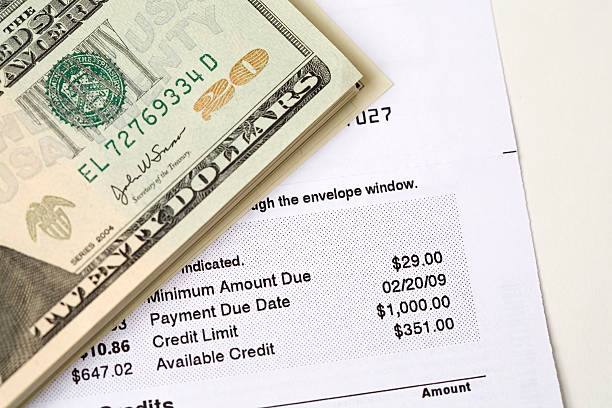
Paying just the minimum keeps your account in good standing, but it’s very costly. Most of your payment goes to interest, not the original amount you borrowed. This means your debt shrinks very slowly. You could be stuck paying for that pizza or pair of shoes for years and years, paying much more than the original price. It’s like filling a bucket with a huge hole in the bottom.