5 months 1 weeks ago
When you’re in your twenties or thirties, retirement feels like a distant dot on the horizon. You’re focused on rent, student loans, maybe a starter credit card. But here’s the thing: the credit habits you build now are the same habits that will determine how comfortable your life is when you stop working. You might think credit stops mattering once you retire, but that’s completely backwards. Your credit score stays with you for your whole life, and it becomes even more important when you’re living on a fixed income.First, understand what retirement actually looks like for most Americans. You won’t just be sitting at home reading books. You’ll need a place to live, and many retirees choose to downsize or move to a warmer state. That means signing a new lease or getting a mortgage. Landlords check your credit before they rent to you. They want to see that you’ve paid your bills on time in the past. If your credit is weak, they’ll either turn you down or demand a larger security deposit. A mortgage lender will look at your credit history just the same as they do now. A lower score means a higher interest rate, which means you’ll pay tens of thousands of extra dollars over the life of the loan. That’s money you won’t have coming in anymore.Then there are the everyday costs that surprise people. Car insurance companies use something called credit-based insurance scores in most states. They’ve found that people with lower credit scores file more claims, so they charge them more for coverage. That higher premium follows you every month for the rest of your driving life. Even utility companies check your credit when you set up new service. If your score is bad, you might have to put down a deposit just to get electricity turned on. Those costs add up fast when you’re on Social Security or a small pension.But the biggest issue is debt. Many people make the mistake of thinking they’ll pay off their credit cards after they retire. The reality is that most retirees carry debt into their golden years, and it eats away at their monthly income. The average retiree has thousands of dollars in credit card balances, car payments, and sometimes even student loans for their kids or grandkids. When you’re young, you can work overtime to cover a big bill. When you’re retired, your income is basically fixed. You can’t go back to work if your knees hurt or if your industry has moved on. So the smartest move you can make right now is to stop accumulating new debt and start paying down what you already owe.That doesn’t mean you should never use credit cards. In fact, using them wisely is part of building a strong credit history. The key is to treat your credit cards like a tool, not free money. Use them for everyday purchases like gas and groceries, then pay the full statement balance every single month. That way you build a record of on-time payments without paying a penny in interest. If you can do that for ten or fifteen years, your credit score will be in great shape when you approach retirement.Another thing to think about is protecting your credit from fraud. Older adults are a prime target for scammers because they often have savings and retirement accounts. If someone steals your identity and opens credit cards in your name, it can wreck your credit just as you’re trying to lease an apartment or get a car loan. That’s why it’s smart to check your credit reports regularly, even in your twenties. Use the free annual reports from the three major bureaus and look for anything you don’t recognize. Catching a problem early is way better than trying to untangle it later. You should also use fraud alerts or credit freezes if you ever sense something is off. These tools are free and they don’t hurt your score at all.Finally, think about the kind of retirement you actually want. Do you want to travel? Help your grandkids with college? Just feel secure that you can pay for a medical emergency without losing your house? All of that depends on your ability to access credit on good terms. A home equity line of credit can help you pay for a major home repair or a medical bill. But if your credit is poor, you won’t qualify for that line, and you’ll be stuck with expensive options like payday loans or credit cards with crazy high interest rates. The lower your credit score, the more everything costs. That’s true when you’re 25, and it’s even more true when you’re 75.So the best time to start preparing for retirement with credit is right now, today. Pay every bill on time, even the small ones. Keep your credit card balances low, ideally under thirty percent of your limit. Don’t apply for new cards you don’t need. And most importantly, remember that your credit score isn’t just a number for getting a car loan. It’s a lifetime tool that determines your financial freedom as you age. Build it strong now, and it will carry you through every stage of life, including those quiet years you always thought were too far away to worry about. They’re coming faster than you think.You should check your full credit reports from the three big companies at least once a year. You can get these for free at AnnualCreditReport.com. Think of it as your yearly check-up. For your credit score, which changes more often, checking it once a month is a great habit. Many banks and credit card companies now give you your score for free. Don’t check it every day, though—monthly is often enough to spot trends.
The single most powerful thing you can do is pay every bill on time, every single time. Payment history is the biggest factor in your credit score. Set up reminders or automatic payments so you never forget. Even being just 30 days late can stay on your report for years and really hurt you. Consistent, on-time payments show lenders you are responsible and can be trusted with more credit.
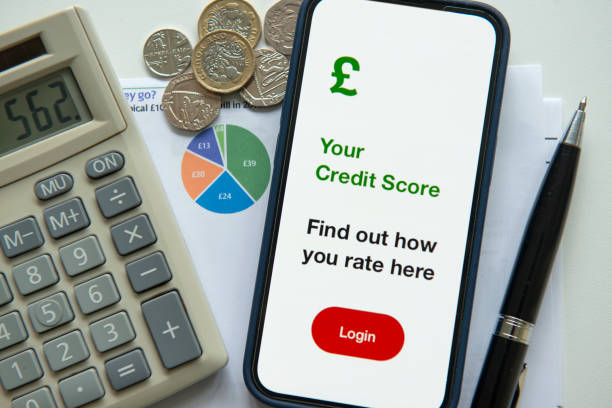
You should check your report because it’s like a report card for your money habits. It shows if you pay bills on time and how much you owe. Mistakes can happen, and a mistake on your report can hurt your credit score. By checking it for free, you can find and fix errors. This helps you get better loan rates and saves you money. It’s your right to see this information, so you should use it!
The biggest things that hurt your score are paying bills late and borrowing too much money. If you max out your credit cards or are constantly late on payments, your score will drop. Other negatives include having too many new credit applications in a short time, defaulting on loans, or having accounts sent to collections. These actions signal to lenders that you might be a risky person to lend money to.
Check your credit at least 6 to 12 months before you plan to apply for a mortgage. This gives you enough time to fix any errors on your reports, like mistakes in your name or accounts that aren’t yours. It also gives you time to improve your score by paying down credit card balances and making every payment on time. A last-minute check might show problems you can’t fix quickly, which could delay or ruin your home-buying plans.