
today
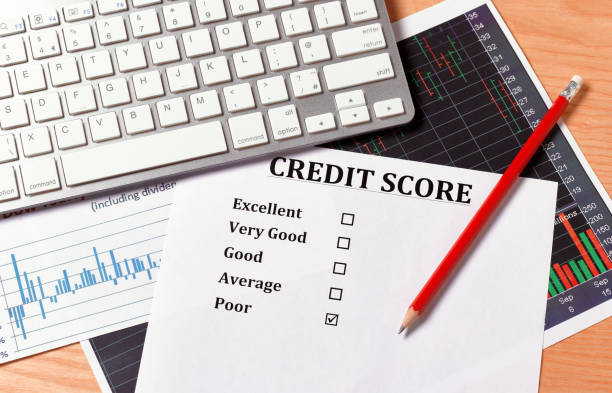
If you check your credit score on two different apps, you may see two different numbers. That can feel confusing, especially when both apps say they are showing your credit score. The short answer is that there is no single credit score. Most scores you see are built by one of two main scoring models: FICO and VantageScore. They both look at your credit reports, but they do not always read them the same way. That is why your score can move from one app to another even when your credit habits have not changed.FICO is the older name in scoring, and many lenders use it when they decide whether to approve you for a credit card, car loan, or mortgage. VantageScore was created later by the three major credit bureaus as another way to score consumers. Both models use a range that most people recognize. FICO scores usually run from 300 to 850. VantageScore also uses a 300 to 850 range in its newer versions. A higher number is better in both cases. The two models are not competing teams you need to cheer for.The biggest reason your scores can differ is that the models give different weight to the same information. FICO and VantageScore both care about paying on time, how much credit you use, how long you have had credit, the mix of credit you have, and new credit activity. But the exact math is not public. Even small differences in weighting can change your number.The version of the score matters too. FICO and VantageScore each have multiple versions. Some versions are made for credit card companies. Some are made for auto lenders. Some are made for mortgages. A mortgage score can be different from a credit card score even if both are FICO scores. VantageScore has also updated its models over time. If one app uses an older version and another uses a newer one, the numbers may not match.Timing is another factor. Your credit report changes as lenders send updates to the credit bureaus. One app may pull your data on Monday. Another may pull it on Friday. If a payment posted, a balance changed, or a new account showed up in between, your scores can differ. Credit scores are a snapshot, not a permanent grade. They can change when your report changes.The credit bureau behind the score can also make a difference. There are three major credit bureaus: Equifax, Experian, and TransUnion. Your reports are not always identical at all three. A lender may report to one bureau and not another. A collection account may show up on two reports but not the third. If one score uses Equifax data and another uses TransUnion data, a difference is normal. Before you worry about a gap between scores, check which bureau and which model each score uses.Different lenders also use different score cutoffs. One credit card company may approve you with a score in the low 600s. Another may want a score in the 700s. A car lender may look at a specialized auto score. A mortgage lender may look at several scores and use a middle number. The score is only one part of a lender’s decision. Income, debt, and payment history can also matter.The best way to handle multiple scores is to focus on the habits that help every model. Pay every bill on time. Keep credit card balances low compared with your limits. Avoid opening a lot of new accounts in a short period. Check your credit reports for errors. Do not close old accounts without a reason. These steps help your credit profile no matter which scoring model a lender uses. Do not chase one exact number. Watch the trend instead. If your scores are moving in the right direction, you are probably doing the right things.When you see a difference between FICO and VantageScore, do not panic. Ask which score you are looking at, which bureau supplied the data, and when it was pulled. Then compare the reports for real errors. A small gap is normal. A large gap is worth checking. Understanding that scoring models are tools, not a single official score, takes away a lot of the confusion.There’s no perfect number for everyone. It’s more about how well you can manage them. If you start missing payments or feeling stressed about your balances, that’s a sign you have too many. It’s better to handle two or three cards perfectly than to struggle with five or six. Only get a new card if you have a clear reason and know you can manage the payment.
Set two alerts for every bill. The first alert should go off 3-5 days before the actual due date. This gives you plenty of time to make the payment without rushing. Set a second alert for the day before the due date. This is your final safety net in case something came up and you couldn’t pay after the first reminder. This two-step system is a super reliable way to stay on top of things.
Your credit limit is the maximum amount of money your credit card company says you can borrow at one time. Think of it like a financial guardrail. It’s not a goal to hit or a suggestion for how much to spend each month. Knowing this number is your first step to using your card wisely and avoiding the stress of maxing it out, which can hurt your credit score.
When you first get approved for the loan, your score might dip a little. This happens because the lender does a “hard inquiry” to check your credit, which shows up on your report. It’s a small, temporary drop. Think of it like a small speed bump—you slow down for a second, then keep going. The important thing is that you now have a chance to build great credit by making all your payments on time.
“Credit shopping” means applying for similar loans (like a car loan or mortgage) within a short time to compare rates. For these, credit scoring models usually count multiple inquiries as just one if done within about 14-45 days. However, this special rule does NOT apply to credit cards. Every single credit card application you submit will count separately.