today
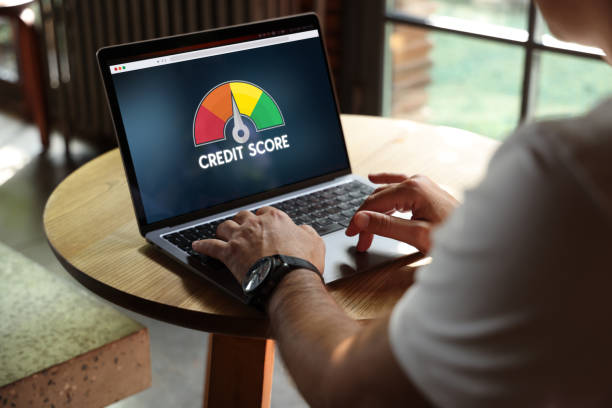
Store credit cards can offer discounts and perks that feel like a win at checkout. But after the novelty wears off, you might wonder if it’s time to close that card. The answer isn’t always simple. Closing a store card can help or hurt your credit, depending on your situation. Before you call the number on the back of your card, think through a few key factors.First, understand how closing any credit card affects your credit score. Your score looks at several things: your payment history, how much credit you’re using compared to your limits, how long you’ve had credit, and how many new accounts you’ve opened. Closing a store card can impact two of those: your credit utilization and your credit history length. If you close a card with a zero balance, your total available credit drops. That can make your utilization rate go up, even if you haven’t changed your spending. For example, if you have $2,000 in total credit and you use $400, your utilization is 20%. If you close a $1,000 store card, your total credit drops to $1,000, and that same $400 balance now looks like 40% utilization. Higher utilization can lower your score. So if you’re carrying balances on other cards, closing a store card might not be smart.Second, consider the age of the account. Store cards are often among the first cards people get, maybe during college or a first job. Closing your oldest card can shorten your average credit history length, which can ding your score. If the store card is your oldest account, keep it open even if you rarely use it. You can use it once every few months for a small purchase and pay it off right away to keep it active. That leads to the next point: some cards get closed by the issuer if you don’t use them for a long time. But you can usually prevent that with occasional use. If you want to close a card, make sure it’s not your oldest or one of your oldest.Third, think about annual fees. Some store cards have no annual fee, so keeping them open costs you nothing. Others, especially rewards cards, might charge a fee. If you’re paying an annual fee for a card you no longer use, that’s a strong reason to close it. Paying for a benefit you don’t use is a waste of money. But before you close, ask if the issuer will downgrade the card to a no-fee version. That keeps your account open and your credit history intact. If they won’t, closing might be worth the small credit hit, especially if the fee is high.Fourth, look at your overall credit card mix. Lenders like to see that you can handle different types of credit, like installment loans and revolving credit. A store card is a type of revolving credit. Closing it might slightly reduce your mix, but this is a minor factor. Don’t let this alone stop you from closing a card that’s causing problems.Fifth, consider your spending habits. Store cards can be dangerous because they often come with high interest rates and low limits, and they tempt you to spend more at that store. If having the card makes you shop more or carry a balance, closing it could be a healthy financial move. Your credit score matters, but so does your budget. A slightly lower score is better than credit card debt you can’t pay off. If you struggle with impulse purchases, closing the card is a reasonable choice.Finally, think about the future. Are you planning to apply for a mortgage or car loan soon? If so, avoid closing any credit cards right before you apply. A drop in your score could cost you a better interest rate. Wait until after you’ve secured the loan. Also, if you have a balance on the store card, you can’t close it in good standing. You need to pay it off first. But you can close it after it’s paid. Just know that closing a card with a balance usually isn’t allowed, and paying it off then closing can still hurt utilization. Weigh the trade-offs before you act.Alerts are a secret weapon for good credit because they help you avoid costly mistakes. Payment reminders make sure you never pay a bill late, which is the biggest factor for your score. Balance alerts help you keep your credit card spending low compared to your limit, which lenders love to see. By helping you stay organized and spot errors quickly, alerts put you in the driver’s seat for building a strong credit history over time.
If you can’t pay the full amount, always pay at least the minimum payment by the due date to avoid late fees and credit score damage. Then, stop using the card immediately. Create a plan to pay off the remaining balance as fast as you can. Contact your card company; they might be able to help with a payment plan. This is a signal to spend less until the card is paid off.
Track your small wins! Set a calendar reminder to check your free credit score every few months. Celebrate when you see it go up 10 points. Remember why you’re doing this—for future goals like a car or apartment. Rebuilding credit is a marathon, not a sprint. Every on-time payment is a brick in the foundation of your stronger financial future. You’ve got this.
Pay your statement balance in full and on time, every single month. This is non-negotiable. The goal is to build credit without costing you money. When you pay the full balance by the due date, you pay zero interest. It turns your credit card into a powerful tool for your credit score instead of a debt trap. Setting up automatic payments from your bank account is a great way to never forget.
Your score can drop almost immediately after you’re 30 days late. Credit card companies and lenders typically report to the credit bureaus once a month. If your payment is late when they send their report, that negative mark gets added right away. There’s usually no grace period once you hit that 30-day mark. This is why it’s so important to contact your lender the moment you know you’ll be late—they might offer a one-time courtesy.