1 month 2 weeks ago
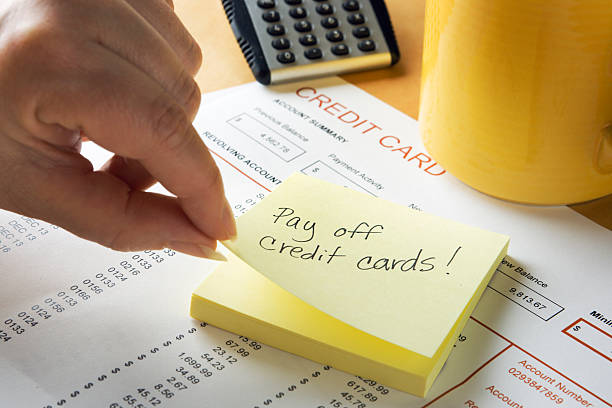
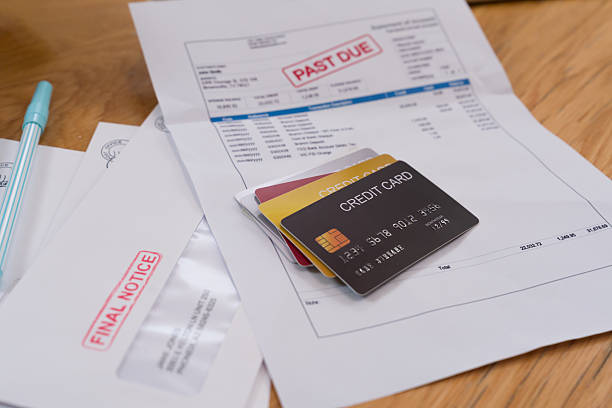
You open your credit card statement and something looks off. Maybe you were charged twice for the same coffee shop. Or there’s a charge from a store you never visited. Or the balance is just higher than it should be. Your first thought might be panic, but here’s the thing: billing mistakes happen more often than people think, and how you handle them makes a big difference for your credit score and your wallet.The most important rule is to keep paying your bills on time, even while you’re sorting out the error. That sounds backwards if you believe the bill is wrong. But here’s why it matters. Your payment history is the biggest piece of your credit score. One late payment can stay on your report for seven years. So if you skip the whole payment because part of it is disputed, you risk a late mark that hurts you far more than the error itself. The smart move is to pay at least the amount you know you owe. For example, if your statement says $500 but you think $100 is wrong, pay $400 by the due date. Then fight over the remaining $100. This way, you stay in good standing while you work out the problem.Now, what counts as a real billing error? Double charges, charges for things you returned, charges you didn’t make, math mistakes on the statement, and payments that weren’t applied correctly. Also, if a company charged you for something you never ordered or authorized, that’s a clear error. But you need to act quickly. Most credit card companies require you to report a billing error within 60 days of the statement date. Miss that window, and you might be stuck paying for a mistake that wasn’t yours. So the moment you spot a problem, don’t delay.The best way to start is by calling the customer service number on the back of your card. Explain the charge you see as incorrect. Ask them to investigate. Keep the conversation friendly but firm. Take notes: who you talked to, what time, what date, and what they said they would do. Some companies can fix simple errors right away, like a duplicate charge. Others need you to put your dispute in writing. That’s where many people get tripped up.You don’t need a lawyer or fancy language to dispute a charge. Just write a plain email or letter to the address on your statement. Include your name, account number, the specific charge you’re disputing, the amount, and why you believe it’s wrong. Attach a copy of a receipt if you have one. Never send your original receipts, only copies. Keep a record of everything you send. And always use certified mail or an email with a read receipt if you want proof that they got it.After the credit card company receives your written dispute, they are required by law to look into it. They can take up to two billing cycles, usually about 60 to 90 days, to finish their investigation. During that time, they cannot report the disputed amount as late, and they cannot close your account or put you into collections over it. That protection is important for your credit score. But again, any undisputed part of your bill is still due, so don’t ignore the full payment.What do you do while you wait? Keep paying your bills as usual. Watch your next statement carefully. If the company decides you were right, they will remove the charge and any fees or interest tied to it. If they decide you were wrong, they will send you an explanation. If that happens and you still disagree, you have the right to ask for more documents, or you can file a complaint with the Consumer Financial Protection Bureau. That might sound heavy, but it’s just a government agency that helps regular people with exactly this kind of issue. You can do it all online, and it doesn’t cost anything.The biggest mistake people make with billing errors is letting them slide. They see a weird charge, think it’s too small to fight over, and just pay it. That’s a bad habit because those small errors add up. More importantly, if you ignore a charge that isn’t yours, someone else might be using your card number. That’s a sign of fraud, not just a mistake. So treating every unknown charge like a big deal is smart.The whole process comes down to being careful and staying calm. Check your statements every month. Set a reminder to do it. When something looks wrong, act fast. Pay the part you know is correct. Dispute the rest in writing. Follow up. And always remember that your credit score depends more on your payment habit than on any single dispute. If you pay on time and keep your balance in check, one billing error won’t ruin you. The people who get hurt are the ones who panic, skip a payment, and end up with a late mark that lingers for years. Don’t be that person. Be the one who catches the mistake, protects your score, and moves on.The first step is to tell the credit bureau about the mistake in writing. Clearly point out what information you think is wrong and why. Include copies (not originals) of any papers that prove your case, like a paid bill receipt. Send your letter by certified mail so you have a record that they received it. The bureau must investigate your claim, usually within 30 days.
Like rent, these bills usually don’t help your credit unless they are reported. Some newer services can report your cell phone, internet, and utility payments for you. Also, if you are very late and the account goes to collections, it will hurt your score. The key is to use a reporting service to turn your good payment history into positive credit. This rewards you for responsible behavior you’re already doing.
Think of your credit score as a school grade for how you handle borrowed money. It’s a three-digit number, usually between 300 and 850, that lenders check before they decide to give you a loan or credit card. A high score tells them you’re reliable and pay bills on time. This can help you get approved easier and get better deals, like lower interest rates, which saves you a lot of money over time. In short, a good score opens doors and saves you cash.
The credit bureau will investigate by contacting the company that provided the information. That company must check its records and report back. Once the investigation is done, the bureau must give you the results in writing. If the information is wrong, they must fix or delete it. They will also send you a free copy of your updated report if the dispute changes anything.
Start by talking to your current bank or credit union, as they often offer these loans. You’ll tell them how much you want to borrow and what you plan to use as collateral. They will check your credit and value your collateral. If approved, they will hold the title to your car or block the funds in your savings account until you fully repay the loan. Once you sign the agreement, you’ll get the money and start making regular monthly payments.