2 months 1 weeks ago
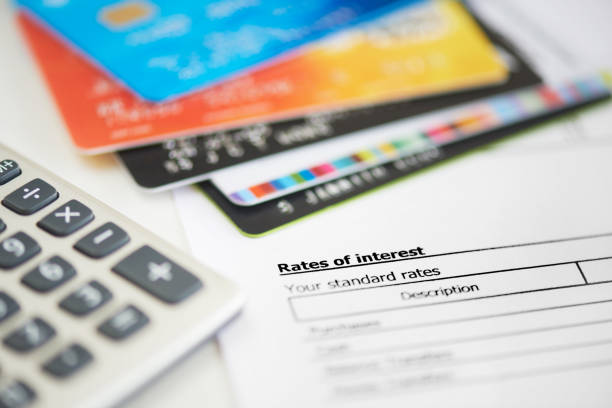
When you start shopping for your first credit card, you’ll see a lot of numbers and terms that can make your head spin. One of the most important is APR, which stands for Annual Percentage Rate. In plain English, that’s the interest rate you pay when you carry a balance from month to month. But there’s a catch. Not all APRs are the same. Some are called “fixed” and others are called “variable.” Knowing the difference can save you from some nasty surprises down the road.A fixed APR sounds like a set-it-and-forget-it deal. You might think the interest rate will never change. That’s not exactly true. A fixed APR means the issuer can’t change it just because the Federal Reserve moves a benchmark rate, but they can still change it for other reasons. For example, your card company might raise your fixed APR if you pay late or if you miss a payment entirely. They also have to give you a heads-up, usually 45 days in advance, before any rate increase takes effect. So fixed doesn’t mean locked forever. It just means more stable compared to the other option.A variable APR is tied to an index, most often the prime rate. When the prime rate goes up, your APR goes up too. When it drops, your APR drops with it. This can happen right away, without any warning from your card issuer. That’s why a variable APR can feel like a moving target. For example, let’s say you have a card with a variable APR of 18 percent. If the Federal Reserve raises interest rates a few times over the course of a year, your APR might climb to 21 or 22 percent. That makes every purchase you don’t pay off in full cost more. If you carry a $2,000 balance for a year, a 3 percent rate increase means roughly $60 more in interest. Not a fortune, but it adds up, especially if you’re on a tight budget.For most first-time cardholders, you’ll probably get a variable APR. That’s just the standard nowadays. Most major credit cards from banks and credit unions use variable rates because it helps them manage their own costs. So you need to get comfortable with the idea that your interest rate can change even if you do everything right. It’s not your fault, and it’s not a penalty. It’s just how the economy works.Here’s another thing to watch out for: the APR you see on a credit card offer might not be the APR you actually get. Issuers often advertise a range, like “0% introductory APR for 15 months, then 14.99% to 25.99% variable APR.” That lower number is for people with excellent credit. Your first card might come with a higher rate because you don’t have much credit history yet. That’s frustrating, but it’s normal. Your goal should be to avoid paying interest altogether by paying your statement balance in full every month. If you do that, the APR doesn’t matter as much.That’s not to say APR is irrelevant. If you ever need to carry a balance, the APR directly affects how much you owe. So it’s smart to pick a card with the lowest APR you can qualify for, especially if you think you might not be able to pay off your balance every month. But don’t get too hung up on the exact number. For a first card, the habits you build matter more than the interest rate.Keep an eye on your statement. It will show the daily interest rate, which is your APR divided by 365. That’s how the card company calculates the interest they charge you. Some cards compound daily, meaning interest is added to your balance each day, and then the next day’s interest is based on that new, larger balance. That’s how credit card debt can spiral so quickly.Another important term is penalty APR. That’s a much higher rate, sometimes 29.99 percent, that kicks in if you make a late payment. Penalty APRs are almost always variable, and they can apply to your existing balance and new purchases. Some cards even charge a penalty APR if you go over your credit limit. The good news is that if you make on-time payments for six months or so, your issuer might lower it back to your regular rate. But those six months can be brutal.So before you apply for any card, read the Schumer box. That’s the table of fees and rates that every credit card offer has to include. It breaks down APRs, annual fees, and other costs in a simple grid. Look for the section that says “variable” or “fixed” about the APR. Remember that fixed isn’t as fixed as it sounds, and variable will move with the market. Also check if there’s a penalty APR and what triggers it.In the end, the smartest move is to treat your credit card like a debit card. Spend money you already have, and pay off the entire statement balance before the due date. That way, you never pay a cent of interest and the APR becomes nothing but a number on a page. But understanding whether that number is fixed or variable helps you plan ahead and avoid getting caught off guard when the economy shifts. That’s how you build credit without building debt.You have strong protections. If a company lies about your credit history, makes false promises, or charges you illegally, they are breaking the law. You can report them to your state’s Attorney General and the Federal Trade Commission (FTC). You may also have the right to sue them in court to get your money back. It’s important to keep all your paperwork and notes about what they said.
Be very careful about closing old credit cards, especially if they have no annual fee. A big part of your score is based on the length of your credit history and how much credit you use compared to what you have available. Closing an old account can shorten your history and raise your credit usage. It’s often smarter to keep the account open. Just use the card for a small purchase once or twice a year to keep it active.
The biggest mistakes are paying your bill late and only paying the small “minimum payment.“ Late payments hurt your credit score and cost you extra fees. Paying only the minimum means you’ll pay a lot in interest and stay in debt. Also, don’t use the card for things you can’t afford, like a big spontaneous purchase. Your card is a tool for building credit, not free money. Always spend less than you can pay off.
Phishing is when a scammer pretends to be your bank, credit card company, or even the government. They send fake emails, texts, or call you. Their goal is to trick you into giving out your Social Security number, account passwords, or credit card details. Remember, real companies will never call or email to urgently ask for this info. If you’re unsure, hang up and call the company back using the number on your official statement.
They can start by making sure their on-time rent and utility payments are reported. They can use a free service that reports these payments to the credit bureaus. Also, help them check their credit report for free at AnnualCreditReport.com to make sure there are no mistakes. Even without traditional credit, showing they reliably pay their monthly living expenses can be a strong foundation to start from.