today
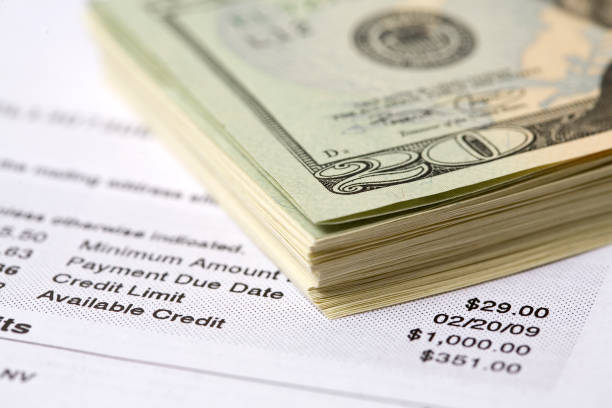
When most people try to improve their credit score, they focus on paying on time and keeping accounts open. Those habits matter. But a quiet factor can make your score jump or drop without any change in your spending. It is the timing between when you use your card, when your payment is due, and when your card company reports your balance.Your card has two important dates. The due date is when your payment must arrive to avoid a late fee. The statement closing date is different. That is the day your card company adds up your balance, creates your statement, and usually sends that balance to the credit reporting agencies. Many people think their balance is reported when they pay or when the bill is due. Often, it is reported on the statement closing date. The balance on that one day can affect your credit score for the next month. This is the factor most people ignore.The ratio of your balance to your credit limit is called credit utilization. It is one of the biggest parts of your score after payment history. A common rule is to keep utilization under thirty percent. For the best results, many experts suggest staying under ten percent. The tricky part is that your score usually does not look at your balance today. It looks at the balance reported at the last statement closing date. So if you use your card heavily and pay it off every month, you can still show high utilization on your credit report.Imagine a five thousand dollar limit. You charge four thousand dollars for a big purchase, then pay it off in full when the bill comes. That feels responsible. But if the card company reports four thousand dollars on the closing date, your utilization is eighty percent. Your score may drop even though you owe nothing after you pay. Next month, if the card reports a low balance, your score may bounce back. This up-and-down pattern is frustrating because it does not reflect how you actually manage money.The fix is simple. Find your statement closing date. You can see it on your monthly statement or in your card’s app. Then make an extra payment before that date. You do not have to pay the full balance early. You just need to lower the reported balance enough that it looks healthy. If your limit is one thousand dollars, getting the balance under one hundred dollars before the closing date can help. If you cannot pay that much, aim for under three hundred dollars. Even a partial payment before the closing date can make a difference.Another ignored factor is how multiple cards report separately. Utilization is often calculated on each card and on all cards together. If one card is maxed out but another card has a zero balance, the maxed-out card can still hurt you. The scoring system may see that you are close to the limit on one account and worry that you are stretched thin. Paying down the card with the highest utilization first often gives the fastest score improvement. For credit score purposes, the percentage matters more than the dollar amount.You should also check when your card company reports. Most report once a month, but some report on the last day of the month, and some report on the closing date. If you pay early and your score does not change, your timing may be off. Call the card company and ask when they send updates to the credit bureaus. That single question can help you plan better. Just be careful not to open new cards or close old ones just to fix timing. Those moves can create bigger problems.A low reported balance is not about hiding debt. It is about showing the scoring system that you use credit without relying on it too heavily. You can still earn rewards, track spending, and build history. You just have to watch the calendar as closely as you watch your budget. The due date keeps you out of late fees. The statement closing date helps you protect your score. Once you understand both, you stop being surprised by score changes and start controlling the number that shows up on your report.Look for an app that is truly free (no trial that charges you later), updates your score regularly, and explains why your score changes. It should also send alerts for important changes on your report, like new accounts. Read reviews to ensure it’s safe and legitimate. Remember, these apps are tools to help you understand, not fix, your credit.
The biggest mistake is making late payments. Payment history is the most important part of your score. Even one payment 30 days late can hurt your score for years. Set up automatic payments for at least the minimum amount due. Life gets busy, so let technology help you protect your score. Always know your due dates and make paying on time your top priority.
Think of your credit score as a school grade for how you handle borrowed money. It’s a three-digit number, usually between 300 and 850, that lenders check before they decide to give you a loan or credit card. A high score tells them you’re reliable and pay bills on time. This can help you get approved easier and get better deals, like lower interest rates, which saves you a lot of money over time. In short, a good score opens doors and saves you cash.
A secured card requires a cash deposit you pay upfront, like $200. That deposit acts as your credit limit and protects the bank if you don’t pay. An unsecured card doesn’t need a deposit; the bank gives you a limit based on trust. Both types report to the credit bureaus and help you build credit. Secured cards are often easier to get for your very first card. The key for both is to pay your bill in full and on time every single month.
Start by treating your card like cash. Don’t leave it lying around. Keep it in a wallet or a safe spot in your bag. When you use it, shield the keypad with your hand when you type your PIN so no one can see it. Never lend your card to friends, and be careful about who you give your card number to, especially online or over the phone.