1 month 2 weeks ago
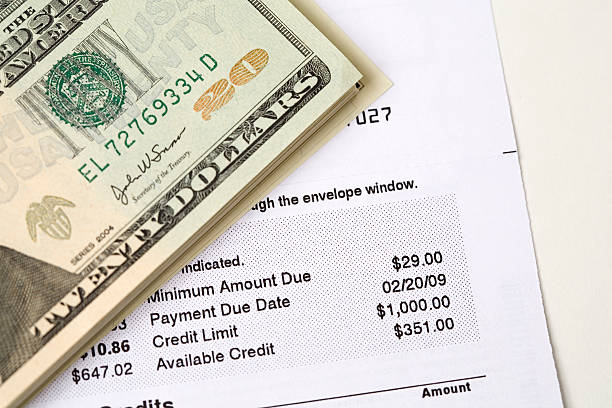
When you miss a payment on a credit card or loan, the first thing you see is a late fee. But your credit score doesn’t change at that moment. The clock starts the day after the due date. If you pay before 30 days have passed, your credit report stays clean. If you cross that line, the damage becomes permanent and severe. Many people misunderstand this window, thinking it’s a free pass to pay whenever they want. It’s not. The due date is still the due date. Paying late means extra fees and interest, even if your credit score doesn’t know yet.Once you hit day 30, something bigger happens. Your creditor reports the late payment to the three major credit bureaus. That negative mark lands on your credit report and stays there for seven years. Even if you pay the bill the next day, the mark remains. A single reported late payment can cause your credit score to drop by 100 points or more. The higher your starting score, the bigger the impact. Payment history makes up 35% of your score. One late payment tarnishes that history and makes lenders see you as a risk.As the days go by without payment, the situation gets worse. A 30-day late payment is bad. A 60-day late payment is worse. A 90-day late payment is more damaging. Each milestone adds another negative mark and drives your score down further. The first late payment is often accidental. Maybe you forgot the due date. Maybe your card was expired and the payment didn’t go through. Maybe you didn’t have enough money in your checking account. Whatever the reason, the consequence is the same. But credit scoring doesn’t care about your reasons.The impact of a late payment goes far beyond your score. Landlords run credit checks before renting apartments. A late payment on your report can get you denied or force you to pay a larger security deposit. Auto lenders and cell phone companies also check your credit. You might end up with a much higher interest rate on a car loan. Some employers review credit reports for certain jobs, especially in finance or management. A simple late payment can make you look irresponsible. It can hurt your chances of getting approved for new credit.Here’s the important takeaway. If you miss a payment and notice within the first 30 days, you can still avoid the credit catastrophe. Pay the bill immediately. Then call your creditor and ask them to waive the late fee as a one-time courtesy. Many companies will do this if you’ve been a good customer. The key is to act fast. The moment you realize you’re late, get the payment in. Set a reminder for every bill. This simple action can make the difference between a small fee and a seven-year scar on your credit report.To prevent this from ever happening, set up automatic payments. Even if you only autopay the minimum amount, that keeps you safe from missing a due date. You can also put due dates on your calendar with reminders that pop up a few days ahead. You can also set multiple alerts. Check your bank account regularly to make sure there’s enough money to cover your bills. The goal is to never rely on your memory alone.If a late payment is already on your report, ask the lender for a goodwill removal. Explain that the late payment was a one-time mistake and ask them to remove it from your credit history. Some lenders will agree if you have a solid track record. It’s not guaranteed, but it’s worth trying. But don’t get complacent. The best advice is simple: pay your bills on time, every time.The 30-day grace period is a safety net, not a backup plan. It’s there for true emergencies, not for poor planning. Your credit score is built on trust and reliability. When you pay on time, you show lenders they can count on you. When you don’t, that trust shatters. A single late payment can cost you thousands of dollars in higher interest rates over the years. It can close doors to apartments and loans and even jobs. Because your credit score is too valuable to gamble with a 30-day mistake.A secured loan is a loan where you promise something you own, like a car or cash savings, as “collateral.“ This is like giving the lender a safety net. If you can’t pay the loan back, the lender can take that item. Because of this safety net for them, they are often more willing to give you the loan and might offer you a better interest rate. It’s a common tool to help people build or fix their credit history when used carefully.
Set up a simple system! The easiest way is to use automatic payments from your bank account for bills that stay the same, like your phone or car payment. For bills that change, like electricity, use calendar alerts on your phone. You can also make a list of all bills and their due dates at the start of each month so you have a plan.
It means telling the big credit companies about your monthly rent. Normally, only things like credit cards and loans show up on your credit report. But with a special service, your landlord or a rent payment company can send a record of your on-time rent payments. This adds a new, positive line to your credit history, which can help your score over time.
Your score can dip for a few common reasons. Maybe you used a bigger part of your credit card limit this month, or you paid a bill a little late. Sometimes, it’s because you applied for a new loan or credit card. Don’t panic! A small drop is normal and often temporary. Think of it like a warning light on your car’s dashboard. It’s not saying your car is broken, just that you should check what’s going on.
The main “catch” is that you cannot use the money until you’ve paid the loan off. You need to be sure you can stick to the payment schedule for the full term. Also, while interest rates are generally low, you are paying some interest for this service. If you miss a payment, it will hurt your credit score just like any other loan. So, only sign up if the monthly payment fits easily into your budget.