5 months 3 weeks ago
You’re probably used to getting notifications on your phone for everything – texts, apps, games, even someone liking your photo. But did you know you can get real-time alerts every time your credit card is swiped, tapped, or used online? That might sound super simple, but those little pings can make a huge difference in how you manage your money and build your credit. Spending alerts are one of the most underused tools in personal finance, and they’re free. Here’s why you should set them up today.When you first get a credit card, the idea of tracking every purchase can feel overwhelming. You might think you’ll just check your app once a week or wait for your monthly statement. But by then, a lot can happen. Small purchases add up – that morning coffee, a takeout dinner, a random subscription you forgot to cancel. Before you know it, your balance is higher than you expected, and if you’re trying to keep your credit utilization low (that’s the ratio of what you owe to your credit limit), you might have just hurt your credit score without realizing it. Spending alerts fix that problem by showing you exactly what’s happening the second it happens.Most credit card issuers let you customize these alerts in your online account or app. You can choose to get a notification for every single transaction, or only for purchases above a certain amount, like $50 or $100. You can also get alerts when your balance hits a specific limit, like 50% of your credit limit. That’s a great way to stay ahead of your spending. If you know you want to keep your utilization under 30% (which is a common rule of thumb for a good credit score), you can set an alert to fire off when you hit that mark. That way, you don’t have to do math in your head – your phone does it for you.Another huge benefit of spending alerts is catching fraud early. If someone steals your card number and makes a purchase, you’ll know about it within seconds instead of finding out when you get your statement weeks later. The sooner you report a fraudulent charge, the faster your card issuer can shut it down and reverse the charge. This protects your credit from damage that could happen if the thief racks up huge bills on your account. Even if you’re careful, data breaches happen. Alerts are like a security camera for your wallet.But spending alerts aren’t just about preventing bad things. They also help you build a positive habit. When you see a notification pop up after every purchase, you become more mindful of what you’re actually buying. You might think twice before tapping your card for that impulse buy because you know you’ll get a reminder in a few seconds. That small nudge can save you a surprising amount of money over time. And when you spend less, you can pay off your balance in full each month, which is the single best thing you can do for your credit. You’ll never pay interest, and your utilization stays low, both of which help your score climb.There’s also a timing aspect to consider. You can set alerts for your payment due date reminder. That’s a separate type of notification, but it works alongside spending alerts. If you have an alert that goes off a few days before your bill is due, you’ll never miss a payment. And on-time payments are the biggest factor in your credit score. So between transaction alerts, balance alerts, and due date alerts, you’ve got a complete system that keeps you in the loop at all times.One potential downside is notification fatigue. If you get an alert for every single swipe, you might start ignoring them. That’s why it’s smart to customize. For daily small purchases, maybe set a minimum amount so you only get pinged for bigger stuff. Or if you’re trying to stick to a strict budget, maybe you want every single alert to keep you honest. There’s no right way – it’s about what works for you. You can always start with everything on and then adjust after a week.Another thing to know: these alerts don’t cost anything. They’re built into your credit card account, so you just have to log in and turn them on. Some apps default to sending notifications, but many people accidentally turn them off or never set them up in the first place. It takes about five minutes to check your settings and make sure you’re getting the alerts you need.In a world where everything is digital, there’s no excuse to be in the dark about your credit card activity. Spending alerts give you control, peace of mind, and a direct line to better credit. They’re not a fancy tool or a complicated system – just simple notifications that keep you on track. If you’re serious about building a strong credit history, start with this one small step. Set up your alerts today, and your future self (and your credit score) will thank you.Credit unions are not-for-profit and owned by their members, so they often have your best interest in mind. They usually offer credit-builder loans with lower fees and better interest rates than many banks or online lenders. They are also more likely to work with you if you’re just starting out or have a thin credit file. People often say credit unions feel more like a community, which can be less stressful when you’re new to building credit.
No, it does not guarantee your score will go up, but it is a strong tool to help. Your score depends on many factors, like payment history, how much debt you have, and the length of your credit history. Reporting your bills adds positive payment history, which is a big factor. However, if you have other negative items or high credit card balances, those can still hold your score down. It works best as part of a overall good credit habit.
There’s no perfect number for everyone. It’s more about how well you can manage them. If you start missing payments or feeling stressed about your balances, that’s a sign you have too many. It’s better to handle two or three cards perfectly than to struggle with five or six. Only get a new card if you have a clear reason and know you can manage the payment.
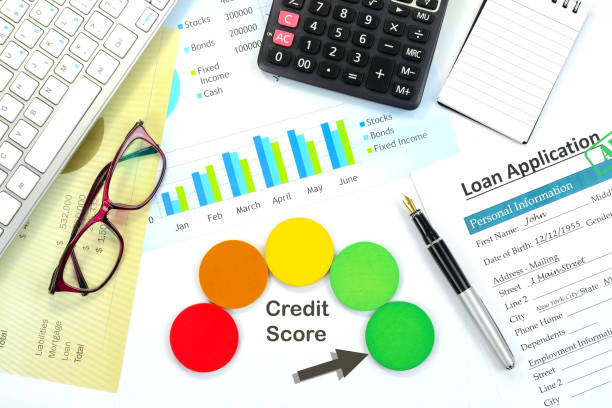
The most important lesson is what changes your score. Your bank’s tool often lists the main factors helping or hurting you. Look for things like “paying bills on time” or “low credit card balances.“ This tells you exactly what to work on. For example, if it says “high balance on your credit cards,“ you’ll know that paying those down is your fastest way to a better score. It turns a confusing number into a simple to-do list.
Your credit score is like a report card for your money habits that lenders check. A good score means you can borrow money easier and cheaper. It helps you get approved for apartments, car loans, and even some jobs. Think of it as building a good money reputation now so future-you can get better deals and have more choices when you want to make big life moves.