

3 months 1 weeks ago
When your credit card company decides to raise your credit limit, it can feel like a small victory. Maybe you got an automatic bump after making payments on time, or you asked for an increase and actually got it. Either way, that bigger number in your account might make you feel like you have more room to breathe. And you do — but only if you treat it the right way. A credit limit increase is not free money. It’s an invitation from the bank to borrow more, and if you’re not careful, that invitation can lead you straight into debt you can’t handle.The first thing to understand is why credit limits matter in the first place. Your credit limit is the maximum amount you can charge on a card. It’s not a target. It’s a ceiling. What actually affects your credit score is how much of that limit you use, which is called your credit utilization ratio. For example, if your limit is $1,000 and you have a $300 balance, you’re using 30 percent of your available credit. Most experts recommend keeping that number under 30 percent, and lower is even better for your score. When your limit goes up, your utilization automatically goes down if you keep your balance the same. That’s good for your credit. But if you see that higher limit as a reason to spend more, your utilization will climb right back up, and you’ll be in the same spot you started — just with more debt.So the smartest move after a credit limit increase is to do nothing at all. Don’t change your spending habits. Don’t go out and buy something you’ve been eyeing just because you have more room on your card. Treat the new limit like it doesn’t exist. Keep charging the same amount you were charging before, and pay your statement balance in full every month if you can. That way, you get the benefit of a lower utilization ratio, which helps your credit score, without taking on any extra risk. Over time, this builds a track record of responsible use, and that’s exactly what lenders want to see.What if you’re carrying a balance already? A credit limit increase can still help you lower your utilization, but it’s not a free pass to ignore the balance. You still owe that money. The best approach is to use the higher limit to give yourself some breathing room while you pay down what you owe. Focus on making more than the minimum payment each month, and don’t add any new charges to the card. The bigger limit might make your balances look smaller percentage‑wise, but the actual dollar amount you owe hasn’t changed. Don’t let the numbers fool you into thinking your debt is gone.Another important thing to remember is that asking for a credit limit increase isn’t always a guaranteed win. Sometimes your credit card company will do a hard pull on your credit report, which can temporarily lower your score by a few points. If you’re planning to apply for a mortgage or a car loan soon, you might want to wait. But if you’re just trying to manage your cards better, an increase can be a useful tool. Just make sure you understand the terms. Some companies let you choose a lower limit if you want. Others might increase your limit automatically, and you have the option to decline it. There’s nothing wrong with saying no if you don’t trust yourself to use the extra credit wisely.One thing that trips up a lot of people is the idea that a higher limit means you can afford more. That’s not true. Your credit limit is based on your income, your credit history, and the bank’s risk assessment. It doesn’t change your actual take‑home pay. So if you used to struggle with a $2,000 limit, a $5,000 limit won’t fix the problem. It just gives you more rope. The only thing that matters is whether you can pay back whatever you charge in full and on time. If you can’t do that with a lower limit, a higher limit will only make things worse.In the end, a credit limit increase is what you make of it. Used correctly, it can lower your credit utilization, boost your score, and give you a little financial cushion in an emergency. Used poorly, it becomes a trap that leads to high interest payments and months of stress. The key is to stay disciplined. Treat your credit card like a tool, not a piggy bank. When your limit goes up, keep your behavior exactly the same. Spend what you already spend. Pay what you already pay. Let the higher limit work for you in the background, quietly improving your score without changing your life. That’s how you win the credit game — not by seeing how much you can charge, but by proving you don’t need to.Yes, you should pay the missed amount as soon as you possibly can. But don’t stop there. When you make the payment, also ask about any late fees you were charged. Sometimes, if it’s your first time missing a payment, the company might be nice and remove that fee for you. It never hurts to ask politely. Getting your account current stops the problem from growing.
No, it is not bad at all! Checking your own credit is called a “soft inquiry.“ It doesn’t hurt your score one bit. You should feel free to check your own score as often as you like. Many banks and credit cards now give you your score for free each month. Watching it helps you see how your money habits are helping your score grow.
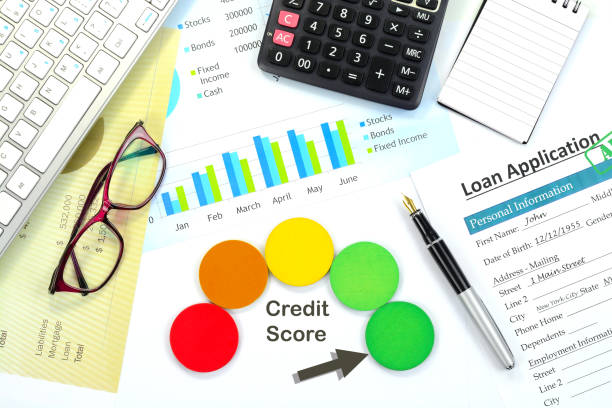
Your credit score is like a report card for your money habits that lenders check. A good score means you can borrow money easier and cheaper. It helps you get approved for apartments, car loans, and even some jobs. Think of it as building a good money reputation now so future-you can get better deals and have more choices when you want to make big life moves.
The easiest way is often through a credit-builder loan. You don’t get the money upfront. Instead, you make small monthly payments into a savings account at a bank or credit union. After you finish all the payments, you get the money back, plus you’ve built a positive payment history! It’s a safe, simple tool designed just for people starting out. You prove you can make on-time payments, which is the biggest factor in your credit score.
Every time you apply for a new loan or credit card, the company checks your credit report. This is called a “hard inquiry,“ and it causes a small, temporary dip in your score. The credit bureaus see lots of applications in a short time as a red flag—it might mean you’re in financial trouble. It’s smart to space out your applications and only apply for credit you really need.