4 months 1 weeks ago
You’re filling up your car or grabbing cash from an ATM. You swipe your card, punch in your PIN, and go. But if you didn’t check the card reader first, you might have just given your credit card info to a thief. Card skimmers are tiny devices that criminals attach to real card readers. They read the magnetic strip on your card and record your PIN with hidden cameras or fake keypads. By the time you notice, someone else is already using your card. Here’s how to spot them and keep your money safe. A quick scan takes less than ten seconds and could save you a headache.First, look at the card reader before you use it. Does anything look loose, crooked, or mismatched? Skimmers are often placed on top of the real reader. Give it a gentle tug. If it moves, that’s a red flag. Check the keypad too. Thieves sometimes put a fake overlay on it to steal your PIN. If the keypad feels thicker or has odd edges, don’t use it. Also scan for small holes or bumps near the screen, which could hide a camera. If something seems off, use another machine and report the one you suspect to the store manager.Pay attention to your card type. EMV chips create a unique code for each transaction, making skimming harder. But skimmers still work on magnetic strips, and newer devices called shimmers sit inside the card slot to intercept chip data. Always insert your chip instead of swiping when possible. But no card is fully immune, so stay alert. Also, avoid using your debit card for everyday purchases. Credit cards offer better fraud protection and keep your bank account safe from direct hits.Your PIN is the key to your account. Even if a skimmer gets your card number, the thief needs your PIN to drain cash. Cover the keypad with your other hand when typing. This blocks hidden cameras. Also use contactless payments like tapping your phone or card whenever you can. That technology is much harder for skimmers to intercept. It’s faster and safer too. And never write your PIN on your card or keep it in your wallet. Memorize it instead.Gas stations are prime spots for skimmers because no attendant watches the pumps. Check the security seal on the pump panel. If it’s broken or peeled, walk away. Use pumps closest to the building, as criminals prefer the back corners. Even better, go inside and pay at the register. It takes a minute longer but completely avoids the skimmer risk. If you do spot a skimmer, tell the gas station staff and call your bank. You might help someone else avoid getting ripped off. You can also report the skimmer to the Federal Trade Commission at their website. That helps them track where these scams happen.If you think you’ve used a skimmed reader, don’t panic. Contact your credit card issuer immediately. They’ll freeze your card and send a new one. Most credit cards have zero fraud liability, so you won’t pay for unauthorized charges. But act fast. Check your recent transactions and report anything you don’t recognize. If you entered your PIN, change it right away. This is especially important for debit cards because a skimmer on an ATM can empty your checking account quickly. You should also review your credit report from time to time. A new account you didn’t open could be a sign of identity theft.Finally, set up transaction alerts on your phone. Credit card apps let you get a notification every time your card is used. You’ll know within seconds if a charge you didn’t make shows up. Call your issuer and stop the fraud. These alerts are free and easy to turn on. Do it today. And while you’re at it, check your statements at least once a week. Catching fraud early is the best way to limit the damage. Skimmers are getting smarter, but simple habits keep you ahead. Look before you swipe, cover your PIN, use chip or tap, and monitor your accounts. That’s all it takes to protect your card and your credit.You can check your own history for free! The best way is through AnnualCreditReport.com. This is the official site to get a free report from each of the three major credit bureaus once every year. Checking your own report does not hurt your score. It’s like looking in a mirror for your finances—you get to see what lenders see and make sure all the information is correct.
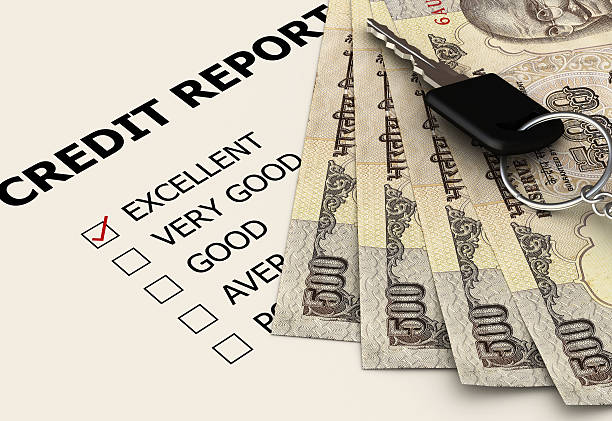
You should check your report at least once a year. A great trick is to space them out. Get one report from a different company every four months. This way, you can watch for problems or mistakes all year long for free. If you are planning a big purchase, like a car or house, check all three reports a few months before you apply. This gives you time to fix any issues.
Not if you treat it like cash and pay it off completely. The trick is to only buy things you already have the money for in your bank account. Don’t think of your credit limit as free money. Instead, use your card for a small purchase you’d make anyway, like gas or groceries. Then, when the bill comes, pay the full amount. This avoids interest charges and still builds your credit history positively.
Your statement balance is the total amount you charged during your last billing period. Your minimum payment is a much smaller amount (like $35) the bank says you must pay to keep the account in good standing. If you only pay the minimum, you will be charged high interest on the remaining balance, and debt can grow quickly. To build credit for free, always pay the full statement balance by the due date, not just the minimum.
The single most powerful thing you can do is pay every bill on time, every single time. Payment history is the biggest factor in your credit score. Set up reminders or automatic payments so you never forget. Even being just 30 days late can stay on your report for years and really hurt you. Consistent, on-time payments show lenders you are responsible and can be trusted with more credit.