


1 month 2 weeks ago
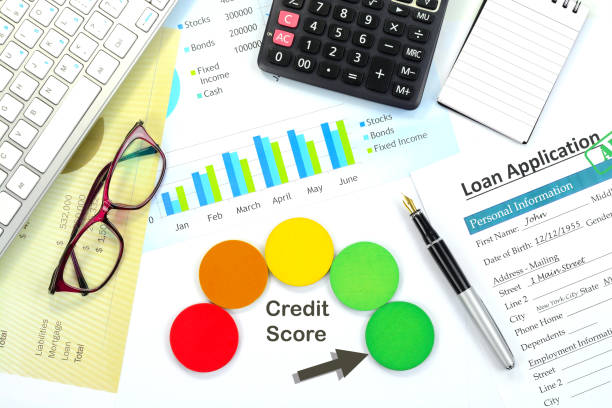
Moving to a new city is exciting. You have a fresh start, new places to explore, and maybe a new job or school. But in the middle of packing boxes and changing your address, it is easy to let your credit fall through the cracks. Your credit score does not take a vacation just because you packed up your life. In fact, a move is exactly the kind of major life event where small mistakes can hurt your score for years. The good news is that with a little planning, you can keep your credit in great shape while you settle into your new place.The first thing to understand is that your credit score is tied to your financial habits, not your physical location. You do not need to worry about rebuilding credit from scratch just because you moved. Your existing credit cards, loans, and payment history follow you. What changes is the risk of missing payments or accidentally damaging your file during the chaos of moving day. Most credit problems that happen around a move come from simple oversights, not big financial failures.Start by making a list of every bill and account you currently have. This includes credit cards, student loans, car payments, utilities, and any subscription services that autopay from your bank account. Before you move, log into each account and update your address. This sounds obvious, but many people forget one or two smaller accounts. When you do not receive a paper bill because it went to your old address, you might miss the due date. A late payment, even by just a few days, can be reported to the credit bureaus and stay on your report for up to seven years. So take thirty minutes to update every single address you can think of.Next, think about your mail. You can file a change of address with the post office, but that only forwards physical mail for a limited time. It does not reach companies you deal with online. The safest move is to switch all your billing to paperless and get statements by email. That way, you always know what is due no matter where you live. Just make sure the email address on file is one you check often.Another big issue is your bank account. If you are moving to a new city, you might be tempted to open a new checking account at a local bank. That is fine, but do not close your old account until you have switched over all automatic payments. Banks can charge overdraft fees if an autopayment tries to pull from an empty account. And those fees can lead to negative balances, which might eventually get sent to collections. Keep your old account open for at least a month or two after you move. Set up automatic transfers to cover any late charges, then close it once you are sure nothing else is connected.Rent is another factor. If you are renting a new place, your landlord might run a credit check. That is a normal inquiry and will not hurt your score much. But if you have any unpaid bills or debt in collections, now is the time to face it. A clean rental history can also help your credit if your landlord reports rent payments to the credit bureaus. Many property management companies do this automatically now. Paying rent on time is a solid way to build credit, so do not overlook it just because it is not a traditional loan.If you are moving for a new job and have to start with a lower paycheck, do not rely on credit cards to cover your daily expenses while you get settled. It is easy to charge your new furniture and groceries, but high balances can push your credit utilization ratio above thirty percent. That ratio is a major part of your credit score. Keep your spending in check and make a realistic budget for your first few months in the new city. Unexpected costs pop up, like security deposits and moving fees. If you need to use a credit card, pay off the balance as soon as you can.Also, be careful about new credit applications. When you move, you might be tempted to sign up for a store card to get a discount on new appliances or clothes. Every application triggers a hard inquiry, which can temporarily lower your score. Too many inquiries in a short time looks risky to lenders. Apply for credit only when you really need it, and try to space out your applications by at least six months.Finally, stay calm and patient. A move is stressful, but your credit is built on long-term habits. One missed payment is not the end of the world, but it is avoidable. Set up automatic minimum payments on all your credit accounts before you even pack your bags. Then check your credit report a month after moving to make sure everything looks right. You can get free copies from the three major bureaus each year. Look for any addresses or accounts you do not recognize. If you see an error, dispute it right away.A move should be a fresh chapter, not a financial mess. With a little attention to the details, you can protect your credit and start your new life on solid ground. Wherever you go, your credit history goes with you. Make sure it tells a story you are proud of.Your credit report is the detailed history of your loans and bills. Your credit score is the three-digit number based on that history. You should check your report for errors annually. You can check your score much more often—like every month—to track your progress. Think of the report as the test paper and the score as the final grade.
You should track your credit score because it’s like a report card for your money habits. Lenders look at it when you want a car loan or a credit card. By keeping an eye on it, you can spot mistakes, see what helps your score go up, and understand what makes it drop. It puts you in control so you’re never surprised when you apply for something important.
Not right away. You must first make sure the debt is correct and that you actually owe it. Mistakes happen! Once you get the validation letter, check the amount, the original creditor, and the dates. If something is wrong, you can dispute it in writing. If it’s correct, you do owe the debt. But you can still work on a payment plan or settlement. Never agree to pay anything until you have the deal in writing from the collector.
The best ways to build a good score are simple, steady habits. Always pay every bill on time, every single month. Try to keep your credit card balances low compared to your limits. Only apply for new credit when you really need it. Let your older accounts stay open to show a long history. Doing these things consistently over time is the surest path to a strong, healthy credit score.
It’s very tough, but sometimes possible with special government-backed loans, like an FHA loan. These loans are designed for people with lower scores or thinner credit files. However, you’ll still pay a higher interest rate and extra fees for mortgage insurance. Having no credit history is almost as challenging as having bad credit, because lenders have no record to judge you by. It’s much better to build at least a year or two of solid credit history first.