today
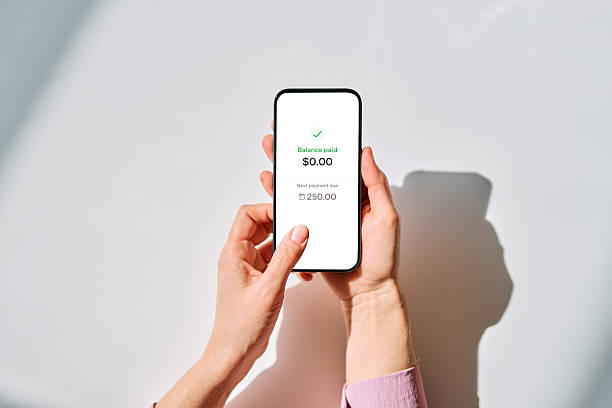
Paying bills on time is one of the most direct ways to protect your credit. One late payment can drop your score, add fees, and raise the cost of borrowing. A bill payment routine removes the guesswork. Instead of relying on memory, you create a simple system that tells you what to pay, when to pay it, and where the money is coming from. The routine does not have to be complicated. It just has to work on a normal month and adjust when life changes.Start by knowing every bill you owe. This includes rent, utilities, phone, internet, insurance, loan payments, and credit cards. For each bill, write down the due date, the minimum payment, the usual amount, and whether it is on autopay. Then look at your paydays. The goal is to match bills to paychecks so the money is there before the due date. If a due date falls in a tight week, call the company and ask to move it. Many will change it without a problem.Pick one or two bill days each month. A bill day is a short block of time you set aside to handle money. If you get paid twice a month, use the day after each paycheck. Put the bill day in your phone calendar and set it to repeat. When the reminder pops up, open your banking app, review what is due, and schedule payments. This habit keeps bills from piling up and late fees away.Reminders are your backup. Set alerts five days before each due date and again two days before. Due dates alone are not enough because weekends and holidays get in the way. Keep bills in one place, whether that is an email folder or a paper tray. The point is to avoid five places where bills can hide.Automatic payments can help, but they need a safety net. Autopay works well for fixed bills like rent or a car payment. For changing bills, review the statement each month. You can set autopay to pay the minimum and then make an extra payment when you have more money. Just make sure the account has enough cash. A separate bill-paying account can help. Send a set amount from each paycheck into that account, then let bills come out of it.Build a small buffer. Even a hundred dollars extra in your bill account can stop a timing problem from becoming a late payment. Work toward one extra paycheck or five hundred dollars set aside for bills. Start with five or ten dollars per paycheck. The buffer is a cushion for high bills or late paychecks.Check your statements every month. Autopay is not the same as autopilot. Look at each charge, confirm the payment amount, and make sure the due date has not changed. This helps you catch fraud and mistakes early. If you see something wrong, call the company right away. Keep your login information secure, and do not use the same password everywhere.Protect your credit by paying at least the minimum on every debt by the due date. If money is tight, take care of housing and utilities first, then make at least the minimum payments on loans and credit cards. Call your lenders before you miss a payment. Many will work with you on a due date change or a short-term plan. Avoiding the call usually makes the problem worse. Payday loans and cash advances often add more stress, so use them only as a last resort.A weekly money check makes the routine stronger. Spend ten minutes looking at your bank balance and upcoming bills. Mark what you paid. Move money if needed. When your income or bills change, update the routine. A new job, a move, or a new credit card should trigger a quick review.A bill payment routine turns good intentions into automatic action. You do not need perfect memory or a complicated budget. You need a consistent day, clear reminders, a little buffer, and a habit of checking your accounts. Once it is set, it protects your credit while you focus on everything else.Paying more than the minimum is a superpower for your credit! It helps you pay off your debt much faster and saves you a ton of money on interest charges. This lowers your “credit utilization,“ which is a big factor in your credit score. Think of it as taking a shortcut out of debt instead of walking the long, expensive path.
This is called being an authorized user. A family member with good credit can add you to their credit card account. Their good payment history on that card can then appear on your credit report. This can give your score a quick boost. It’s very important the primary cardholder pays on time, as their mistakes can also hurt your score. It’s a helpful jump-start, but you should also build your own credit history.
To bounce back, just get back to your good habits. Pay all your bills on time, every time. Try to pay down your credit card balances so you’re using less of your limit. Don’t apply for any new credit right now. Your score has a memory, and it remembers good behavior. If you keep doing the right things, your score will likely recover in a month or two, just like getting back on track after a bad game.
The biggest mistakes are paying your bill late and only paying the small “minimum payment.“ Late payments hurt your credit score and cost you extra fees. Paying only the minimum means you’ll pay a lot in interest and stay in debt. Also, don’t use the card for things you can’t afford, like a big spontaneous purchase. Your card is a tool for building credit, not free money. Always spend less than you can pay off.
Absolutely, yes! This is the best habit you can build. Paying the full “statement balance” by the due date means you avoid all interest charges. It also ensures that a low balance (or even a $0 balance) gets reported to the credit bureaus. You get the benefits of using your card without the cost of interest or the risk of hurting your score with a high reported balance.