today
Getting a raise feels great. Your paycheck goes up, and suddenly you have more money to work with. But that extra cash can disappear faster than you expect if you’re not careful. This is called lifestyle creep, and it’s one of the sneakiest ways people end up with credit card debt. You don’t plan to overspend. You just start upgrading small things—a nicer apartment, a newer car, more dinners out—because you can afford the monthly payment. Before you know it, your spending has caught up with your income, and you’re swiping a card to cover the gap.The problem isn’t that you got a raise. The problem is that your expenses grew right alongside your income. When your spending rises to match every dollar you earn, you lose the chance to build savings, pay down debt, or invest in your future. And if an emergency hits—a car repair, a medical bill, a layoff—you have no cushion. That’s when the credit card comes out, and the balance starts to grow.So how do you enjoy a raise without falling into the trap? Start by deciding ahead of time where the extra money will go. Before your first bigger paycheck arrives, sit down and split the raise into three buckets: savings, debt payoff, and a little bit of fun. For example, you could send half to a high-yield savings account, a quarter to your credit card balance, and keep the rest for guilt-free spending. That way you get to enjoy the raise without letting it inflate your baseline expenses.Another smart move is to keep your fixed costs fixed. When you get a raise, don’t immediately upgrade your rent, car payment, or phone plan. Those are the expenses that lock you into higher monthly bills. Instead, challenge yourself to live on your old budget for a few months. Bank the difference. You’ll be surprised how quickly a small cushion adds up when you don’t let your lifestyle expand to fill the space.Watch out for “treat yourself” culture. It’s easy to justify a new purchase because you worked hard and you deserve it. And you do deserve nice things. But if every raise becomes an excuse to spend more, you’re not really getting ahead. You’re just running faster on the same treadmill. One helpful trick is to set a rule: for any new recurring expense—like a subscription, a gym membership, or a car payment—you have to cut something else first. That keeps your total monthly obligations steady even as your income grows.Credit cards can be a useful tool, but they make lifestyle creep worse if you’re not paying attention. When you swipe a card, you don’t feel the money leaving your account right away. It’s easy to spend more than you realize. To stay on track, check your credit card balance every few days. Set up alerts for large purchases. And pay the full balance every month if you can. Carrying a balance means you’re paying interest on last month’s lifestyle upgrade, which is a quick way to turn a small splurge into a long-term debt problem.It also helps to review your spending once a month. Look at your bank and credit card statements and ask yourself: did I buy anything this month just because I had more money? If the answer is yes, don’t beat yourself up. Just adjust for next month. The goal isn’t perfection. It’s awareness. Once you see where the extra money is leaking out, you can plug the hole and redirect it toward your goals.Finally, remember that building strong credit for life isn’t about denying yourself everything. It’s about making choices that keep your debt low and your options open. A raise is a chance to strengthen your financial foundation, not a signal to spend more. If you can keep your lifestyle mostly the same while your income goes up, you’ll pay off debt faster, save more, and protect your credit score. That’s a real upgrade.Check your credit at least 6 to 12 months before you plan to apply for a mortgage. This gives you enough time to fix any errors on your reports, like mistakes in your name or accounts that aren’t yours. It also gives you time to improve your score by paying down credit card balances and making every payment on time. A last-minute check might show problems you can’t fix quickly, which could delay or ruin your home-buying plans.
A credit card is a tool that lets you borrow money to buy things, with a promise to pay it back later. You need one to build a “credit history,“ which is like a report card for how you handle money. A good history helps you later for big goals, like renting an apartment or getting a car loan. Think of it as practice for bigger financial responsibilities. Using a card wisely shows banks you can be trusted.
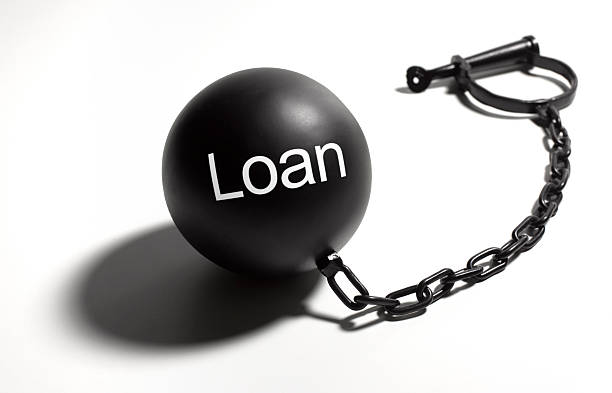
Paying off a loan early is good for your wallet because you save on interest, but it can cause a small, temporary dip in your credit score. This happens because closing an account in good standing shortens your credit history length. Don’t let this scare you, though! The dip is usually minor and temporary. The long-term benefits of being debt-free and having a history of on-time payments are much more valuable.
Banks can sometimes change the terms of your card, like raising your APR or adding new fees. They must notify you in writing before they do this. A higher APR means future balances will cost you more in interest. A new fee adds an extra cost. If you get a notice about changes, read it carefully. You can usually choose to close your account if you don’t agree with the new terms.
When you first get approved for the loan, your score might dip a little. This happens because the lender does a “hard inquiry” to check your credit, which shows up on your report. It’s a small, temporary drop. Think of it like a small speed bump—you slow down for a second, then keep going. The important thing is that you now have a chance to build great credit by making all your payments on time.