4 months 2 weeks ago
You hear about data breaches all the time. A retailer gets hacked, a health insurance company loses your info, or a social media app sells your data. The news cycle moves on, but your personal details are out there. Someone could take your Social Security number, your address, and your birth date, then open credit cards, take out loans, or even buy a car in your name. The scariest part? You might not find out until months later, when a bill collector starts calling about debts you never owed. That’s where a credit freeze comes in. It’s the strongest tool you have to stop thieves before they can do damage. And best of all? It costs nothing, takes about ten minutes per credit bureau, and doesn’t hurt your credit score one bit.Think of a credit freeze like putting a deadbolt on your credit report. When a freeze is in place, no new lenders or creditors can pull your credit file. Without being able to see your credit history, they won’t approve any application in your name. That means a crook can’t open a new account because the bank or credit card company simply gets a message saying your file is frozen. They’ll reject the application. You’re not blocking your own ability to use existing credit—your current cards and loans keep working normally. You’re only stopping new accounts from being opened. That’s the whole point.To set up a freeze, you have to contact each of the three major credit bureaus: Equifax, Experian, and TransUnion. Yes, you need to do all three. Why? Because a lender only checks one of them, and you never know which one. If you freeze only Experian, a thief could still get approved through Equifax. So it’s all or nothing. Each bureau has an online portal where you can create an account, verify your identity, and place the freeze. You’ll get a PIN or password that you must keep safe. That PIN is the key to lifting the freeze later. Write it down somewhere secure. Lose it, and you’ll have to jump through extra hoops to unfreeze.Now, what about fraud alerts? These are often confused with freezes, but they’re different. A fraud alert is like a sign on your door that says “verify this person’s identity extra carefully.” It tells any lender to call you first before extending credit. You can place a fraud alert with one bureau, and they’re required to share it with the other two. It lasts one year and is free. Fraud alerts are better if you think you might be applying for credit soon, because they don’t block anything. But they’re weaker than a freeze because a dishonest lender might ignore the alert. A freeze is a hard block. That’s why most experts recommend a freeze as the default.The biggest concern people have is: what if I need a new credit card or a car loan? You can temporarily lift a freeze. Each bureau lets you lift it for a specific period of time or for a specific lender. You log in, enter your PIN, and choose. The lift usually happens within minutes, but sometimes it can take up to an hour. If you’re planning to apply for credit, just remember to lift the freeze before you apply. And here’s a trick: you can do it for the exact lender you’re using, so you don’t have to expose your file to everyone. That’s a smart way to keep your credit locked down while still letting you shop around.Another myth is that a freeze hurts your credit score. It doesn’t. Your score is based on your payment history, how much debt you owe, length of credit history, new credit, and credit mix. Freezing your file doesn’t touch any of those. It only stops new companies from looking at your report. Your score stays exactly the same. And freezing won’t stop you from checking your own credit score. You can still pull your own reports for free. You can still apply for jobs, rent an apartment, or get insurance in most states. Landlords and employers don’t usually pull a full credit check, so a freeze won’t block that either.The only real downside is remembering to unfreeze when you need credit. That’s manageable. Keep your PINs in a secure password manager or a folder you know you won’t lose. Set a reminder for yourself if you expect to apply for something soon. The peace of mind is worth way more than the few minutes it takes. Every year, millions of Americans become victims of identity theft. Many of those cases could have been prevented with a simple freeze. It’s not a cure-all—you still need to monitor your bank accounts and review your credit reports regularly. But it’s the strongest barrier you can put between a criminal and your financial life. If you haven’t frozen yet, do it today. You’ll sleep better tonight.You should check your report at least once a year. A great trick is to space them out. Get one report from a different company every four months. This way, you can watch for problems or mistakes all year long for free. If you are planning a big purchase, like a car or house, check all three reports a few months before you apply. This gives you time to fix any issues.
Don’t just write “Bill Due.“ Be specific so you know exactly what to do. A great alert looks like: “Credit Card Payment - $35 Minimum - Due Tomorrow.“ Include the company name, the amount you plan to pay (even if it’s just the minimum), and the due date. This way, when the alert pops up, you can take action immediately without having to go look up any extra details.
Automatic bill payments are when you give a company permission to take money from your bank account each month to pay a bill. You should use them because they are the best way to never, ever miss a payment. Since your payment history is the biggest factor in your credit score, setting this up is like putting your credit score on autopilot for success. It takes a huge worry off your plate and builds a perfect payment record over time.
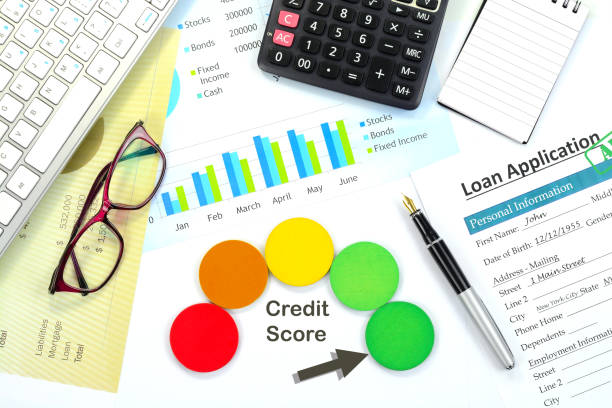
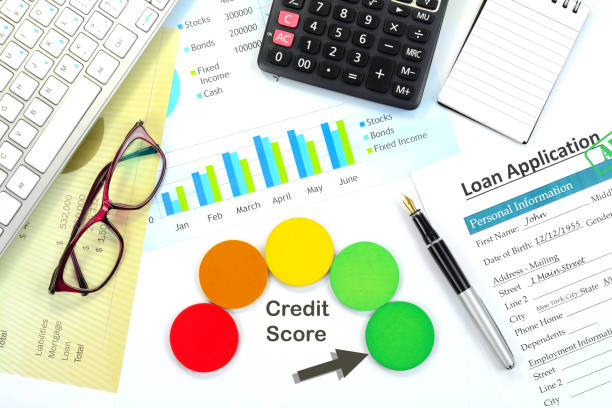
Think of your credit score like a grade for how you handle borrowed money. It’s a three-digit number that tells lenders, like banks or credit card companies, if you’re likely to pay them back. A good score makes life easier and cheaper! You’ll get approved for apartments, car loans, and credit cards more easily, and you’ll pay much less in interest. A poor score can make these things hard to get and very expensive. It’s a key that unlocks better financial opportunities.
Yes, you can! Experian offers a free service called Experian Boost. It gives you your real FICO Score 8, which is a score many lenders actually use. A unique feature lets you add phone and utility bills to your report, which can help your score. You get free monthly updates directly from one of the three major credit bureaus.