6 days ago
Student loans and car loans are often the first big loans people take on. They can feel like a burden, but they also have a hidden upside. When you pay them on time, they show lenders you can handle borrowed money. That can help your credit score and make it easier to get approved for an apartment, a mortgage, or a better credit card later. The key is understanding how these loans work on your credit report and avoiding mistakes that set you back.Both student loans and car loans are installment loans. Unlike a credit card, an installment loan gives you a set amount of money. You pay it back with fixed payments over a set number of months or years. On your credit report, each loan shows up as an account. Your payment history on that account matters a lot. Paying on time is the single biggest factor in most credit scores.That means the most important habit is simple: pay every bill by the due date. One missed payment can hurt your score, especially if it is 30 days late or more. Set up automatic payments from a bank account you trust. If money is tight, call your loan servicer before the due date. Many lenders offer lower payments, a new due date, or a short pause. Ignoring a loan can lead to late fees, higher interest, default, and a damaged credit report that takes years to fix.Student loans can be a strong credit-building tool once you are in repayment. Federal student loans usually appear on your credit reports. While you are in school, you may be in deferment, which means payments are paused. That keeps the loan from being marked late, but it may not build the same positive payment history as active repayment. Once you enter repayment, every on-time payment counts. If you can afford it, paying even a small amount while in school can reduce future interest, but check with your servicer first.Car loans work in a similar way. An auto loan is an installment loan, and on-time payments can help your credit mix. A mix of credit cards and installment loans can help your score a little, but it will never beat the importance of paying on time. Car loans also come with risk. If you fall behind, the lender can repossess the car, and that can wreck your credit. Before you sign, shop around for rates so you do not pay more interest than you need to.Two other credit score pieces matter here: how much you owe and how long you have had credit. Installment loans count toward your total debt. A high balance compared with the original loan amount can hurt your score. That is one reason paying extra toward the loan balance helps. It lowers what you owe and can save interest. Length of credit history also matters. Keeping an older student loan in good standing can help your average account age. If you pay a loan off, closed accounts often stay on your report for years, and the positive payment history stays with them. So you do not need to keep debt just to have a long history.Watch out for a few common traps. Co-signing a loan helps someone else, but you are fully responsible if they stop paying. Replacing a student loan with a new one can lower your rate, but it may cost you federal benefits like income-based repayment or loan cancellation programs. A payment pause can stop payments for a while, but interest may still grow. And never take out a car loan just to build credit if you cannot afford the car, insurance, gas, and repairs. A credit card used responsibly and paid in full can build credit for much less interest.Check your credit reports from the three major credit bureaus at least once a year. Look for errors, like a student loan marked late when you paid on time or a car loan that should be closed. The best credit-building plan with student and car loans is boring: pay on time, pay extra when you can, keep your information current, and ask for help before a problem grows. These loans can build a stronger financial future if you treat them as tools, not free money.You should talk directly to the customer service department of the bank, credit card company, or lender you owe. Explain what happened in a simple way. Be honest. Ask them if there is anything they can do to help, like waiving a late fee or setting up a payment plan if you’re really stuck. They deal with this all the time and often have options to help good customers.
Credit Karma is a top choice. It’s completely free and shows your VantageScore from two major credit bureaus. The app updates weekly, is very easy to use, and explains the factors changing your score. They make money by suggesting credit cards or loans you might qualify for, but you never have to buy anything to see your score and reports.
Improving your credit is a marathon, not a sprint. You won’t see big changes overnight. If you pay down a big debt, you might see a small improvement in a month or two. But building a long history of good habits—like paying every bill on time for years—is what really makes a strong score. Be patient and consistent. Even if progress feels slow, every on-time payment is a step in the right direction.
Look for red flags! A real company won’t promise to delete true, negative information from your credit report. They also won’t ask you to pay a big fee before they do any work for you. Legitimate help is available, often for free. If a company tells you to lie on applications or create a new “credit identity,“ run the other way. That’s illegal, and you could get into serious trouble.
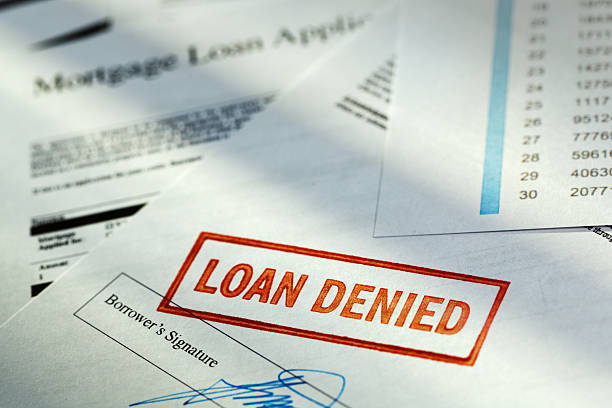
Yes, but not directly. The tool itself doesn’t approve you. Instead, it helps you become “approval-ready.“ By watching your score and the tips provided, you can improve your number before you even apply. Many bank tools also show you if you’re “pre-approved” for offers. These are invitations where you have a very strong chance of getting approved, which is much better than applying randomly and getting denied, which can hurt your score.