5 months 3 weeks ago
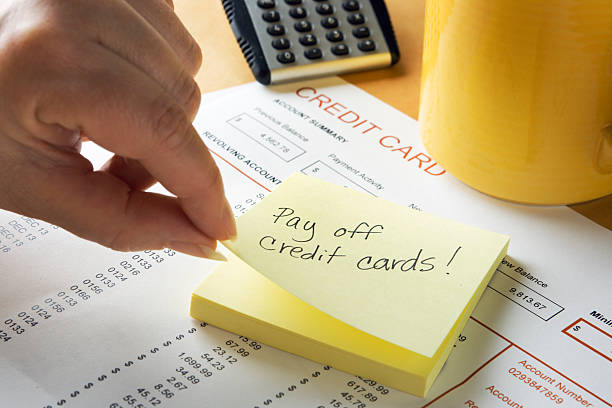
The minimum payment looks like a gift. It’s small and easy to afford. But it’s a trap. Paying only the minimum covers interest and a sliver of what you owe. The rest sits there, growing with new interest charges every month. Before you know it, you’ve paid hundreds of dollars in interest and your balance hasn’t budged. The smarter move is to pay more than the minimum. Even a modest extra like $20 a month can change the entire picture. That $20 goes directly toward your principal, the actual money you borrowed. As your principal drops, the interest you pay each month drops too. It’s a snowball effect that grows. You don’t need to be rich. All you need to do is just be consistent. Give it a try.Let’s put some numbers on this. Say you owe $1,000 on a card with an 18% annual interest rate. Your minimum payment is $25. If you only pay that $25 every month, you’ll be stuck for over five years. You’ll end up paying more than $400 in interest on top of the original $1,000. That means your $1,000 purchase actually costs you $1,400. Now imagine paying $45 a month instead. Just $20 extra. You’d be free of that debt in about two years. Your total interest would be under $200. So you save over $200 and three years of your life. All because you found $20 somewhere in your budget. That’s the power of doing more than the bare minimum. It’s not magic, just simple math. Every extra dollar reduces the amount that earns interest. And that math works for any balance, no matter how big or small.Now let’s talk about your credit score. You might think that paying more than the minimum is just about getting out of debt faster. But it also helps your score in a big way. Your credit utilization ratio, which is the amount you owe compared to your credit limit, makes up a huge part of your score. When you pay extra, your balance drops faster. That lowers your utilization ratio. A lower utilization ratio signals to lenders that you’re responsible with credit. So while you’re saving money on interest, you’re also building a stronger credit profile. This means better loan terms, lower interest rates, and higher approval odds down the road. It’s a win-win. You save money today and you unlock better financial opportunities tomorrow. Every payment above the minimum is an investment in your future. Don’t ignore that option.Paying extra doesn’t require a big budget. For most people in their twenties and thirties, $20 a month is easy to find. Skip one coffee order, bring your lunch twice, cancel a streaming service you barely watch. These tiny changes add up without hurting your lifestyle. The key is to make the habit automatic. Set up a minimum payment on autopay so you never miss a due date. Then, once a month, manually add a little extra to the card with the highest interest rate. Or round up your payments. If the bill is $37, pay $40. If it’s $150, pay $200. Over a year, that’s hundreds of extra dollars going to your debt. You won’t even feel the difference, but your balance will. And it helps your score. The minimum is just the floor, not the goal.You might have heard that carrying a balance helps your credit score. That’s a myth. You don’t need to pay interest to build credit. Lenders want to see that you can use credit responsibly, which means paying what you owe. Paying more than the minimum does that. It shows you’re not just skating by, you’re actively reducing your debt. And if you have multiple cards, don’t spread your extra money thin. Focus on one card at a time. Start with the highest interest rate to save the most money. Or start with the smallest balance to get a quick win. Either way, keep making extra payments until every card is at zero. The habit of paying more is what changes your financial life. Start small, but start now. Even $20 a month is enough to get the ball rolling. Just do it. Yes, you can.Starting with just one card is the smart move. Learn to manage it perfectly first—paying on time and in full. Having more than one card can be helpful later to increase your total available credit, which can help your score. But more cards mean more bills to track and more chances to overspend. Only consider a second card after you’ve mastered the first one for at least a year.
You’re ready if you have a steady way to get money, like a part-time job, and a plan for your monthly expenses. Most importantly, you must be ready to pay the full bill on time every single month. If you think you might spend money you don’t have, wait a bit longer. It’s better to start when you feel confident about tracking your spending and making payments without missing them.
Don’t panic, but have a plan. First, try to pay down the extra amount as fast as you can, even before your monthly bill comes. You can make multiple payments in a month. This can lower the balance that gets reported. Second, avoid making more purchases until the balance is back down. The key is to not let a high balance stick around for more than one billing cycle.
It helps by giving you credit for something you’re already paying! Your credit score loves to see a long history of on-time payments. If you pay rent on time every month, reporting it creates a track record of good behavior. This new positive history can help balance out other factors and show lenders you are responsible, which can slowly improve your score.
A bill reporting service is a company that helps you build credit by reporting your regular bills to the credit bureaus. Normally, bills like your rent, utilities, and streaming services don’t get reported. These services act as a middleman. They take your on-time payment history for these bills and share it with the credit companies. This lets you get credit for payments you’re already making, which can help add positive information to your credit report over time.