today
A credit freeze, also called a security freeze, is one of the strongest tools you have to stop identity thieves from opening new accounts in your name. It locks your credit report so lenders, landlords, and cell phone companies can’t check your credit unless you unlock it first. That means a scammer who has your name, Social Security number, and birth date will have a much harder time getting approved for a credit card, car loan, or apartment lease. The best part is that freezing your credit is free, and you can usually do it online in just a few minutes. That short block of time can save you hours of cleanup later.You need to freeze your report at each of the three major credit bureaus: Equifax, Experian, and TransUnion. A freeze at one bureau does not automatically freeze the other two. Each bureau has a simple online form. You’ll create an account or give some basic personal information, answer a few identity-check questions, and choose a PIN or password. Write that PIN down and store it somewhere safe. You’ll need it later when you want to lift the freeze. The whole process can take less than fifteen minutes if you have your information ready. You may also freeze by phone or mail, but online is usually the fastest. Before you start, gather your full name, address, Social Security number, date of birth, and proof of address if asked. Use a secure device and a private connection, and don’t send your PIN in an email or text.A freeze does not hurt your credit score. It also does not close your existing accounts or stop you from using your current credit cards. You can still make payments, keep balances low, and build credit history. What a freeze does is block new lenders from seeing your report unless you temporarily lift it. That is why it is such a good defense against identity theft. If someone tries to open a new account, the lender will see a frozen report and likely deny the application. You may get a notice, which can be an early warning that someone is using your information.If you need to apply for credit, you can lift the freeze for a set period. You might unlock it for one day, one week, or a specific date range. You can also lift it for a specific lender. This is called a temporary lift or thaw. Most bureaus let you schedule the thaw online using your PIN. Under federal law, freezing and unfreezing your credit is free. After the lender checks your report, the freeze goes back into place automatically if you set an end date. That way you don’t have to remember to re-freeze it.A freeze is different from a fraud alert. A fraud alert tells lenders to take extra steps to verify your identity, but it does not block access to your report. A freeze actually blocks access. If you believe you are a victim of identity theft, you can place a free one-year fraud alert and also freeze your reports. You should also check your credit reports for accounts you don’t recognize and dispute anything that looks wrong. A freeze is not a complete shield. It does not stop someone from using an existing account, filing a fake tax return, or getting medical care in your name. That is why you should still review your bank and credit card statements, check your credit reports regularly, and watch for strange mail or bills. Small habits like these make a freeze work better. It is a simple extra layer.Freezing your credit is a smart move for almost anyone, especially if you have been part of a data breach or you are not planning to apply for new credit soon. It is free, reversible, and really does not affect your score. Keep your PINs in a safe place, set reminders if you schedule a thaw, and unfreeze only when you need to. If you lose your PIN, contact the bureau right away and follow its steps to recover or reset it. A freeze is not permanent, so you can change your mind whenever your plans change. In a few minutes, you can make it much harder for an identity thief to turn your good credit into their next payday.Get everything in writing before you pay a single dollar. If you can pay a lump sum, you can often settle for less than the full amount. Ask if they will report the debt as “paid in full” or “settled” to the credit bureaus. If you need a payment plan, agree to an amount you can truly afford each month. Once you have a written agreement, keep records of every payment. This protects you and ensures they keep their promises.
Yes, you absolutely can! You have the right to get your credit reports for free every week. If you find mistakes, you can write your own dispute letters to the credit bureaus at no cost. Many non-profit credit counseling agencies also offer free help and advice. While a company can save you time, knowing you can do it yourself for free is your most important right. You are always in control of your own credit repair journey.
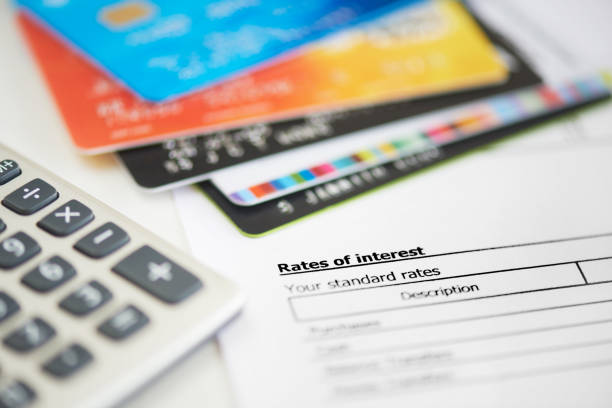
APR stands for Annual Percentage Rate. It’s basically the price you pay to borrow money with your card if you don’t pay your full balance each month. Think of it like a rental fee for the bank’s money. A lower APR is better because it means you’ll pay less in interest charges if you carry a balance from month to month. Always check this number—it can save you a lot of money over time!
Start by stopping new charges on that card. Then, focus on paying more than the “minimum payment” every single month. Even a little extra helps! You could also call your card company and ask for a higher credit limit—if you don’t spend more, this automatically lowers your utilization percentage. Another option is to look for a balance transfer card with a 0% interest offer, but only if you’re sure you can pay it off during the promotional period.
You should check your report because it’s like a report card for your money habits. It shows if you pay bills on time and how much you owe. Mistakes can happen, and a mistake on your report can hurt your credit score. By checking it for free, you can find and fix errors. This helps you get better loan rates and saves you money. It’s your right to see this information, so you should use it!