today
A long-term credit tracking plan is not about checking your score every day. It is about creating a simple routine you can keep for years. Your credit score is built from habits: paying on time, keeping balances low, and letting accounts age. Tracking those habits helps you catch problems early and see progress over time. If you only look at your credit once in a while, you might miss a late payment, a strange new account, or a balance that slowly crept up. A plan turns credit from a mystery into something you can manage.Start by getting a clear picture of where you stand today. You can get free credit reports from the official source, and many banks and credit card apps show your score for free. Read through each report carefully. Look for accounts you do not recognize, wrong balances, late payments that should not be there, or names and addresses that are not yours. If something is wrong, file a dispute with the credit bureau. This first step is your baseline. You cannot track progress without knowing your starting point.Next, decide how often you will check in. A good long-term plan has three layers. Once a month, spend ten minutes reviewing your accounts. Make sure every payment is on time, every charge is yours, and your balances are where you expect them to be. Once every three months, go a little deeper. Look at your credit utilization, which is how much of your available credit you are using. Try to keep it below thirty percent, and below ten percent if you want the best results. Once a year, do a full review. Pull your reports, compare your scores to last year, and set goals for the next twelve months.Automation is your friend. Set up autopay for at least the minimum payment on every card and loan. Better yet, set it to pay the full statement balance so you never pay interest. Put reminders in your phone for the days you will review your credit. Use the same day each month, like the first Saturday or the day after payday. If you use a budgeting app, add your credit accounts there too. The goal is to make tracking easy enough that you do not skip it when life gets busy.Track the numbers that actually matter. Your payment history is the biggest part of your score, so keep a streak of on-time payments. Your credit utilization is next, so watch how much you owe compared to your limits. Account age matters, so avoid closing your oldest cards unless they have high fees. New credit applications can lower your score a little, so only apply when you need to. Inquiries stay on your report for about two years, but their impact fades. Write these numbers down in a notes app or a simple spreadsheet. You do not need fancy software. You need a record you will actually update.Your credit tracking plan should connect to your budget. If you are carrying balances, make a payoff plan. Pay extra on the card with the highest interest rate first, or pay extra on the smallest balance if you need a quick win. Try to pay before the statement closing date, not just the due date, because that is when your balance is reported to the credit bureaus. Keep old accounts open if they do not charge an annual fee. Use your cards for small, planned purchases and pay them off. This keeps your accounts active without tempting you to overspend.Long-term tracking also means planning for big life events. If you want to buy a car, rent an apartment, or apply for a mortgage, check your credit a few months ahead. Fix errors, pay down balances, and avoid opening new accounts right before you apply. When you do apply for new credit, space out your applications instead of applying for five cards in one week. A little patience can save you money on interest and help you get approved.Small steps repeated over years will do more than any quick fix. Stay patient and consistent with your plan.Start by stopping new charges on that card. Then, focus on paying more than the “minimum payment” every single month. Even a little extra helps! You could also call your card company and ask for a higher credit limit—if you don’t spend more, this automatically lowers your utilization percentage. Another option is to look for a balance transfer card with a 0% interest offer, but only if you’re sure you can pay it off during the promotional period.
Talking to them doesn’t change your score directly. The debt is already likely on your credit report, which hurt your score when it was first reported. Making a payment plan or settling the debt won’t immediately fix your score, but it’s a good step. Once paid, the account will update to show a $0 balance, which looks better to future lenders. The negative mark will eventually fall off your report after 7 years. The goal is to stop further damage.
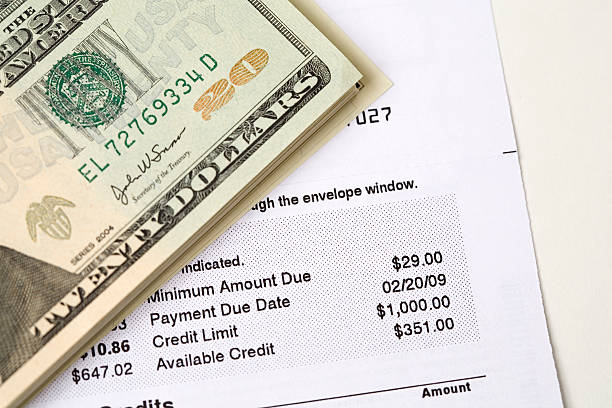
If you can’t pay the full amount, always pay at least the minimum payment by the due date to avoid late fees and credit score damage. Then, stop using the card immediately. Create a plan to pay off the remaining balance as fast as you can. Contact your card company; they might be able to help with a payment plan. This is a signal to spend less until the card is paid off.
It’s easy! Just use it for one small, regular purchase every few months, like a streaming service or a coffee. Then, set up automatic payments to pay the full balance from your bank account. This tiny bit of activity tells the bank you’re still using the card. They won’t close it for being inactive. The key is to never carry a balance and pay it off completely each month.
Closing an old credit card, especially your first one, can actually lower your score. It reduces your total available credit, which can make your overall credit usage look worse. It also shortens your credit history length, which is important for your score. Unless the card has a high annual fee, it’s often better to just stop using it and keep the account open.