3 months 2 weeks ago
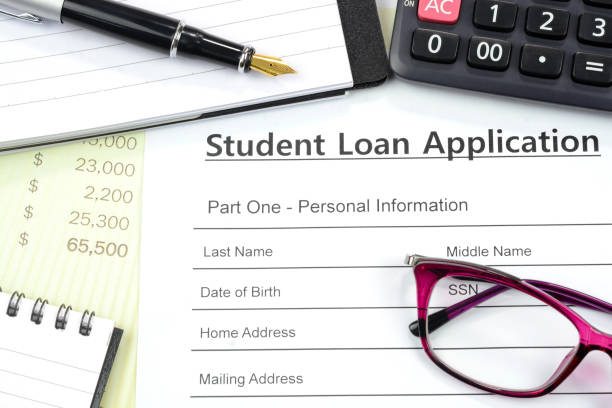
When you think about paying for college, the usual options are scholarships, grants, work-study, and then the big one: student loans. But student loans can stick around for decades, and they’re not the only way to cover your education costs while also building a credit history. If you’re careful and a little creative, a credit builder loan can serve as a small-scale alternative to a traditional student loan. It helps you pay for school-related expenses, gets you into the habit of making payments, and creates a positive credit report—all without ever swiping a credit card.Here’s the basic idea. A credit builder loan works differently from a regular loan. You don’t get the money upfront to spend however you want. Instead, a bank or credit union puts the loan amount into a secured savings account or certificate of deposit (CD). You then make fixed monthly payments over a set period, usually six months to two years. After you make all the payments, the money is released to you. So you’re essentially building a savings habit while the lender reports your on-time payments to the three major credit bureaus: Equifax, Experian, and TransUnion.Now, how is that a student loan alternative? Let’s say you need a few thousand dollars to cover tuition, books, or a laptop for the semester. A typical private student loan might be for ten or twenty thousand dollars, with interest accruing from day one. A credit builder loan, on the other hand, is usually only $500 to $1,000. That’s not going to cover an entire year of school, but it can cover a semester’s worth of textbooks, lab fees, or a parking pass. You could pair it with a part-time job, help from family, or grants to fill the rest. By using a credit builder loan instead of taking out a big student loan, you keep your total debt much lower and you walk away with a small chunk of cash after the term ends.The biggest advantage is that your payment history gets reported to the credit bureaus. Payment history is the most important factor in your credit score. Making those monthly payments on time shows lenders that you can handle debt responsibly. That’s something many 18 to 35-year-olds lack, especially if they’ve never had a credit card or an installment loan. Even if you’re still in school with a limited income, a credit builder loan lets you start building a solid credit foundation. When you later apply for a car loan, an apartment lease, or even a job that checks credit, you’ll have a positive track record.Another plus is the forced savings aspect. At the end of the credit builder loan term, the bank gives you the money you’ve been paying in—minus a small fee or interest charge. So you’re not just throwing money away. You’re building credit and saving at the same time. That lump sum could be your emergency fund, a deposit for a rental, or even money to put toward next semester’s books. It’s a much better deal than a student loan where you pay interest and never see that money again.Credit builder loans also improve your credit mix. Lenders like to see both revolving accounts (like credit cards) and installment loans (like student loans, car loans, or credit builder loans). If you don’t have any other installment loans, a credit builder loan adds that diversity to your credit profile. That can help your score slightly, especially if your history is short.Of course, there are risks. You have to make the payments on time, every month, for the whole term. If you miss a payment, it will hurt your credit just like any other loan. That’s why it’s crucial to only take on a credit builder loan if you have a reliable income source, even if it’s just a few hours a week at a campus job. Also, be sure to shop around. Some credit unions offer credit builder loans with very low interest rates, and some even refund the interest at the end. Banks and online lenders may charge higher fees.Using a credit builder loan as a student loan alternative isn’t right for everyone. It won’t cover a full four-year tuition bill. But for smaller expenses, it’s a win-win. You avoid piling on student debt, and you start building a credit history that will serve you for years. In a world where credit scores affect everything from insurance premiums to rental applications, getting an early head start is huge. So before you sign up for that big federal or private loan, consider whether a credit builder loan could handle some of your costs—and build your credit without a single credit card.Get everything in writing before you pay a single dollar. If you can pay a lump sum, you can often settle for less than the full amount. Ask if they will report the debt as “paid in full” or “settled” to the credit bureaus. If you need a payment plan, agree to an amount you can truly afford each month. Once you have a written agreement, keep records of every payment. This protects you and ensures they keep their promises.
When you look at your report, focus on three things. First, check that all your personal information is correct. Second, look at the list of your accounts and loans to make sure they are all yours and the details are right. Third, and most important, look for any late payments listed. If you see accounts you don’t recognize, late payments you think you made on time, or wrong personal info, you need to fix those errors.
The biggest risk is not having enough money in your bank account when the payment is taken out. This can cause the payment to fail and lead to fees from both your bank and the company you were trying to pay. To avoid this, always know when the money will come out. Treat it like any other important due date. Keep a cushion of extra money in your checking account as a safety net, and check your balance regularly.
If the late payment is a mistake, dispute it with the credit bureaus right away. If it’s real but was a one-time slip-up, try writing a “goodwill letter” to the company you paid late. Be polite, explain what happened, and ask if they would remove the late mark as a courtesy. This doesn’t always work, but it’s worth a try, especially if you’ve been a good customer otherwise.
Before you pay any money or sign a contract, the company must give you a written contract. This contract must explain your legal rights. It must also list all the services they will provide and how long it will take. Most importantly, they must tell you that you have three days to cancel the contract for any reason, with no penalty. This is called the “Right of Cancellation,“ and it’s a key rule to protect you.