2 months 1 weeks ago
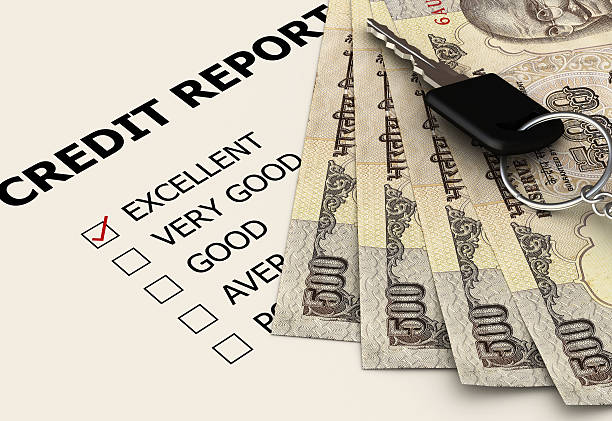
If you’ve ever searched for ways to build credit, you’ve probably seen the same advice over and over: get a credit card, use it for small purchases, and pay it off every month. That works fine for plenty of people. But what if you don’t want a credit card at all? What if you’re worried about overspending, or you just prefer a more controlled approach? There’s another option that flies under the radar, and it’s called a savings pledge. It’s also known as a credit builder loan, but honestly, the idea is simpler than that name makes it sound.Here’s how a savings pledge works. You open a special savings account at a bank or credit union that offers this program. You put your own money into that account, but you don’t get to touch it for a while. Let’s say you deposit $500. The lender then gives you a loan for that same $500. But here’s the twist: you don’t actually receive that money in your hand. Instead, the loan sits there while you make monthly payments toward it, typically for 6 to 24 months. Each payment you make is reported to the three major credit bureaus. Once you finish paying off the loan, the $500 in your savings account gets unlocked, and you get it back. In the end, you’ve built a credit history and saved money at the same time. That’s why it’s called a savings pledge – you’re pledging your own savings as a guarantee for a loan you never really touch.Why would anyone do this? The biggest reason is that it creates a solid payment history without needing a credit card. Your credit score is heavily influenced by whether you pay your bills on time. With a savings pledge, every monthly payment is a chance to show lenders you’re reliable. Even if your credit file is completely empty, that on-time track record starts building something real. After a year of payments, you’ll have a history that goes beyond just a single balance. Lenders love to see consistent, responsible behavior.Another benefit is that this loan adds to your credit mix. Credit scores like to see different types of credit, like a car loan, a mortgage, or a credit card. A savings pledge counts as an installment loan, which means you’re paying back a fixed amount over a set term. Having both an installment loan and a revolving account (like a credit card) is better than having just one type. But if you’re starting from zero, an installment loan alone is a strong first step. It shows you can handle monthly obligations with a clear end date, which is exactly what a future auto lender or landlord wants to see.Now, what about the actual numbers? Your payment history is the biggest chunk of your credit score, making up about 35% of it. The amount you owe comes in at 30%. With a savings pledge, the amount you owe is low because the loan is fully backed by your own money. So you’re not racking up large debts. The length of your credit history is 15%, and a savings pledge starts that clock. The remaining 20% comes from new credit inquiries and your credit mix. Each time you make a payment, you’re strengthening the most important part of your score. That’s a very good trade for a small loan you’re already covered.Getting started is easier than you might think. Many local credit unions offer savings pledge loans to people with no credit history. Some online lenders and community banks do too. The key is to ask specifically about a loan that reports to the credit bureaus. Not all savings pledge programs do. Some are just internal savings tools that never touch your credit file. That would defeat the whole purpose. So before you sign up, confirm with the lender that they’ll send your payment history to Equifax, Experian, and TransUnion.You’ll also want to look at the fees and interest. Yes, you’re borrowing your own money, but the lender still charges interest on the loan. That interest might be a few dollars per month, but it’s still a cost. Compare a few programs and see which one has the lowest rates and no sneaky application fees. A good program will be upfront about everything. Also, make sure you can handle the monthly payment. If you choose a 12-month term with a $400 loan, you’ll pay about $34 per month. That’s manageable for most people. Just don’t overextend yourself.One of the best parts about a savings pledge is that it forces you to save. You’re essentially paying yourself back with interest, and at the end, you have a nice little nest egg. That’s a great way to build discipline, especially if you’re in your 20s and just starting out. You’re not just building a credit score – you’re building a habit. The money you save during the loan can become your emergency fund or a down payment for something bigger.Are there any downsides? Sure. The main one is that you need to have the cash upfront to deposit. If you don’t have $300 or $500 to lock away, this strategy isn’t for you. Another downside is that the loan adds a small amount of debt to your credit report, even though it’s fully secured. But since you’re paying it down every month, that’s not a big deal. And if you miss a payment, it will hurt your credit just like any other loan. But you can avoid that by setting up automatic payments from your checking account.A savings pledge is not a quick fix. It takes time, usually at least 6 to 12 months, before you see a meaningful score. But unlike a credit card, there’s zero chance you’ll end up in debt. You’re never spending money you don’t have. The loan is backed by your own savings, so the risk is extremely low. For someone who wants to build credit without the temptation of plastic, this is a clean, honest path forward. It’s not flashy. It’s not exciting. But it works, and it might be the smartest way to get your credit score off the ground.Think of your credit score like a grade for how you handle borrowed money. It’s a three-digit number that tells lenders, like banks or credit card companies, if you’re likely to pay them back. A good score makes life easier and cheaper! You’ll get approved for apartments, car loans, and credit cards more easily, and you’ll pay much less in interest. A poor score can make these things hard to get and very expensive. It’s a key that unlocks better financial opportunities.
Don’t panic! You have the right to fix mistakes. First, contact the credit bureau that made the report with the error. You can usually dispute the mistake right on their website. Also, contact the company that provided the wrong information, like your bank. Explain the problem clearly and send copies of any papers that prove you are right. They must investigate and correct errors, usually within 30 days.
Use it the right way by making small, planned purchases you can already afford with the money in your bank account, like a monthly streaming service or gas. Then, pay the entire “statement balance” by the due date every single month. This avoids all interest charges and builds great credit. Never max out your card; try to use less than 30% of your limit. Set up payment reminders so you never forget.
Think of your credit score as a grade for how you handle borrowed money. It’s a three-digit number, usually between 300 and 850, that lenders look at to decide if they can trust you to pay back a loan or credit card. Just like a good grade in school makes teachers happy, a good credit score makes lenders more likely to say “yes” to you and offer you better deals.
APR stands for Annual Percentage Rate. It’s basically the price you pay to borrow money with your card if you don’t pay your full balance each month. Think of it like a rental fee for the bank’s money. A lower APR is better because it means you’ll pay less in interest charges if you carry a balance from month to month. Always check this number—it can save you a lot of money over time!