


5 months 2 weeks ago
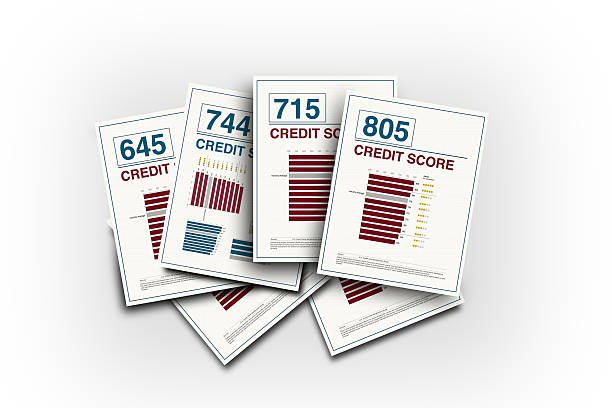
You check your credit score on one app and it says 720. Then you check another app and it says 685. Then your lender tells you they pulled a score of 701. That’s frustrating. You might wonder if someone messed up, or if you’re being scammed. The truth is, having different credit scores at different bureaus is normal. In fact, it’s expected. Here’s why it happens and what you can do about it.First, you need to know that there are three major credit bureaus: Equifax, Experian, and TransUnion. They each keep their own file on you. That file contains your credit accounts, payment history, balances, and other financial details. But they don’t share information with each other perfectly. A credit card you opened last year might show up on your Experian report but not on your TransUnion report. A loan you paid off might be updated faster at Equifax than at the others. Sometimes, a creditor simply reports to only one or two bureaus, not all three. So each bureau has a slightly different snapshot of your credit life. If the data is different, the scores based on that data will be different too.Another reason scores differ is that there isn’t just one scoring model. You’ve probably heard of FICO and VantageScore. These are two big companies that create credit scoring formulas. But there are many versions of each. FICO has older versions and newer ones. VantageScore has different versions as well. A lender might use FICO Score 8, while another uses FICO Score 9, and a third uses VantageScore 3.0. Each formula weighs things a bit differently. For example, one might treat a collection account more harshly than another. One might ignore paid collections, while another still counts them. So even if all three bureaus had exactly the same info, your score could still differ because the scoring model is different.Also, lenders don’t always pull your score from all three bureaus. When you apply for a credit card or a loan, the lender picks one bureau, or maybe two. They might have a long-standing relationship with Experian, so they only pull from Experian. That means the score they see is based only on what Experian has on file. Meanwhile, you might be looking at a free score from Credit Karma, which usually shows your TransUnion and Equifax VantageScores. So you’re comparing apples to oranges. The lender’s score isn’t the same type as the one you’re viewing. That’s a huge reason for confusion.Timing matters too. Your credit report changes constantly. New payments, new balances, new inquiries – all of these update at different times. A payment you made yesterday might show up on your Equifax report today, but it might take another week to appear on your TransUnion report. If you check your scores on different days, you’re seeing different stages of your financial life. That natural lag alone can cause a gap of several points.Some people also have errors on one bureau report but not on another. A late payment that isn’t yours could be listed on your Experian file, but that same mistake might not be on your Equifax file. That incorrect late payment would drag down your Experian score while your Equifax score stays clean. This is why it’s smart to check all three of your credit reports regularly. You can get them for free once a year from AnnualCreditReport.com. Review each one for mistakes, and dispute any errors with the specific bureau that has them.Now, what’s the takeaway for you? Don’t obsess over the exact number. Instead, focus on the range. If all your scores are around 700, you’re doing fine. A difference of 20 or 30 points between bureaus is completely normal. What matters more is your overall credit health – making on-time payments, keeping balances low, and not opening too many accounts too quickly. Lenders understand these differences, and they usually have a cutoff point. For example, they might approve anyone with a score above 700, so whether your score is 710 or 730 doesn’t change the outcome.One practical tip: When you’re about to apply for a big loan, like a mortgage or a car loan, talk to the lender. Ask which bureau they pull and which scoring model they use. Then you can check that exact score before you apply. That way, you’ll know where you stand without surprises. Also, avoid applying for credit too often in a short period, because those hard inquiries can lower your score, and each one might show up on a different bureau’s report.Bottom line: Different scores don’t mean something is broken. They mean your credit file is being viewed through different lenses. Keep your credit habits solid, check your reports for errors, and don’t panic over small variations. The system is messy, but you can still navigate it.The biggest things that hurt your score are paying bills late and borrowing too much money. If you max out your credit cards or are constantly late on payments, your score will drop. Other negatives include having too many new credit applications in a short time, defaulting on loans, or having accounts sent to collections. These actions signal to lenders that you might be a risky person to lend money to.
Helping family is common, but you must protect your own credit first. Co-signing a loan for someone means you are 100% responsible if they miss a payment, and it will hurt your score. Instead of co-signing, consider other ways to help, like giving a cash gift if you can. If you must co-sign, be prepared to make the payments yourself. Your financial stability is crucial for your whole family’s well-being in the long run.
If you’re just starting out, don’t worry! You can begin by getting a “starter” credit product. This could be a secured credit card (where you put down a cash deposit), becoming an authorized user on a family member’s card, or getting a credit-builder loan from a bank or credit union. Use the card for small, regular purchases you can afford, like gas, and pay the full balance off every month. This slowly builds a positive track record.
Don’t just close it right away! First, call your card company and ask nicely if they can change your card to a version with no fee. Banks often want to keep you as a customer and might say yes. If they won’t help, then think about closing it. But first, open a new, no-fee card to start building another long-term account. This way, you have a plan before you let the old one go.
You should track your credit score because it’s like a report card for your money habits. Lenders look at it when you want a car loan or a credit card. By keeping an eye on it, you can spot mistakes, see what helps your score go up, and understand what makes it drop. It puts you in control so you’re never surprised when you apply for something important.