
3 months 2 weeks ago
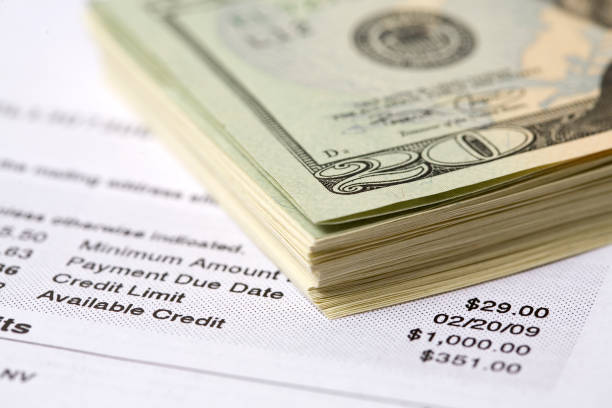
You hear about credit scores all the time, but the real game is in your credit utilization ratio. That’s just a fancy way of saying how much of your available credit you actually use. If your credit card has a $1,000 limit and you carry a $300 balance, your utilization is 30%. That number matters way more than most people think, and keeping it low is one of the simplest yet most powerful habits you can build for your financial future.Here’s the deal: your utilization ratio makes up about 30 percent of your credit score. That’s a huge chunk, right up there with your payment history. So even if you pay every bill on time, letting your balances climb too high can drag your score down. The good news? You have total control over this number. It’s not based on your income or loan type. It’s just the gap between your credit limits and your current balances. Close that gap, and your score will thank you.A common rule of thumb is to keep your utilization below 30 percent. So if you have a $2,000 limit, don’t carry more than $600 at any given time. But here’s the secret that many people in their twenties and thirties don’t realize: lower is even better. People with top-tier credit scores often keep their utilization in the single digits, like 5 or 10 percent. The lower you go, the safer lenders feel. They see you as someone who borrows money but doesn’t depend on it. That’s the sweet spot.Now, let’s talk about how to actually keep your utilization low for life. The first trick is to pay your credit card bill before the statement date, not just by the due date. Your card issuer reports your balance to the credit bureaus on the statement date, which is usually a few weeks before your due date. If you wait until the due date to pay, that statement balance gets reported as your utilization, even if you pay it off in full later. So set a reminder on your phone to pay down your balance a few days before the statement closes. You’ll look like a light credit user, and your score will reflect that.Another smart move is to ask for a higher credit limit. If your income is stable and you’ve had the card for a while, a quick call or online request can bump up your limit. That instantly lowers your utilization ratio, as long as you don’t increase your spending. For example, if you owe $300 on a $1,000 limit, that’s 30 percent. But if your limit jumps to $1,500, your utilization drops to 20 percent without you paying a cent. Just be careful not to treat the extra limit as free money. The goal is to lower the ratio, not to lease a new apartment.You can also spread your spending across multiple cards. If you have two cards with $1,000 limits each and you charge $600 on one, your per-card utilization is 60 percent, which looks risky. But if you split that $600 as $300 on each card, both cards sit at 30 percent, and your overall utilization across all credit is 30 percent too. Spreading balances can help, but keep in mind that both the per-card and overall ratios matter. So maintaining low balances everywhere is the cleanest way to win.One more habit: don’t close old credit cards. Even if you don’t use that store card anymore, keeping it open adds to your total available credit. A higher total credit pool means your utilization stays lower. Closing a card, especially a well-aged one, shrinks your available credit and can spike your utilization overnight. Unless you’re paying an annual fee for no benefit, leave that old card alone and let it quietly boost your score.It’s also worth noting that carrying a zero balance isn’t always the best look. If every card shows $0 owed, some scoring models won’t give you credit for responsible usage. That doesn’t mean you should pay interest. It means using your card for small, everyday purchases like gas or coffee, then paying that bill in full each month. You get the benefit of an active account, a reported low utilization, and no interest charges. That’s the ideal rhythm for lifelong credit health.The biggest mistake people make is thinking their utilization only matters when they’re shopping for a loan or a card. Wrong. Your score is calculated continuously, and lenders can see your utilization at any time. A high ratio now won’t just hurt you on application day—it can also affect your ability to rent an apartment, set up utilities, or get a decent rate on car insurance. Keeping utilization low isn’t a one-time fix. It’s an ongoing habit that pays off in small ways and big ones.Start by checking your current balances and limits today. If your utilization creeps above 30 percent, make a plan to pay it down. Use the specific tricks like early payments and limit increases. Over time, you’ll see your score climb, and you’ll feel less stressed about unexpected expenses because you know your credit is solid. That confidence is worth more than any points game. Keep your utilization low, and your future self will be buying a house or getting a great rate on a car without breaking a sweat. It’s not complicated. It just takes consistency. And consistency is the whole game in building credit for life.Your credit report is the detailed history of your loans and bills. Your credit score is the three-digit number based on that history. You should check your report for errors annually. You can check your score much more often—like every month—to track your progress. Think of the report as the test paper and the score as the final grade.
A starter card is your first step into using credit. It’s made for people who are new to credit or are trying to build it from scratch. These cards usually have lower credit limits and simpler rules to help you learn. Think of it like training wheels for a bike. They help you get the hang of spending responsibly and paying on time without giving you too much spending power right away. Using one well is the best way to build a strong credit history.
Paying just the minimum keeps your account in good standing, but it’s very costly. Most of your payment goes to interest, not the original amount you borrowed. This means your debt shrinks very slowly. You could be stuck paying for that pizza or pair of shoes for years and years, paying much more than the original price. It’s like filling a bucket with a huge hole in the bottom.
The biggest mistake is hurting your own credit score in the process. Only help in ways you can manage perfectly. If you add them as an authorized user, you must pay your bill on time. If you co-sign, you must be ready and able to pay the entire debt. Your financial health comes first. Set clear rules, like if they have a card, they must pay you back immediately for any charges.
Don’t panic! You have the right to fix mistakes. First, contact the credit bureau that made the report with the error. You can usually dispute the mistake right on their website. Also, contact the company that provided the wrong information, like your bank. Explain the problem clearly and send copies of any papers that prove you are right. They must investigate and correct errors, usually within 30 days.