

today
Your electric, internet, and cell phone bills probably feel like chores, not credit opportunities. But they can help your credit score if you handle them the right way. The catch is that most utility and phone companies do not report on-time payments to the major credit bureaus. They usually only show up if you stop paying and the account goes to collections. So paying on time may keep the lights on, but it may not build credit by itself. To turn those payments into credit history, you need a reporting path.A credit report records how you manage money you owe. It lists accounts, balances, payment history, and collections. Credit scores come from that report. If your utility and phone bills never get reported, the bureaus do not see your perfect payment streak. That means no score boost, no matter how many years you pay on time. The goal is to get those payments added to your credit file as positive history.One easy start is Experian Boost. It is free and connects to the bank account you use to pay bills. It looks for eligible utility, phone, and streaming payments, then adds your on-time history to your Experian credit report. If you have a thin credit file, this can lift your score. The downside is it only affects Experian. Lenders may check Equifax or TransUnion, so the boost may not help every application. Still, it is a low-risk first step.Third-party services also report utility and phone payments to the credit bureaus. Some charge a monthly fee. Others report to all three bureaus or just one. Before you sign up, check which bureaus they report to, the cost, and how to cancel. Look for clear reviews and real customer service. Avoid any service that asks for a large upfront fee, promises a specific score increase, or makes canceling hard. A legitimate service explains exactly what it reports and when.Phone bills work similarly. A postpaid cell phone account may require a credit check, but that does not mean your monthly payments are reported as positive history. Prepaid plans almost never report. If you want your phone bill to count, you often need a reporting service or a carrier program that sends data to the bureaus. Late payments are different. If you fall behind, the debt can go to collections, and that can hurt your credit for years. Set up autopay and keep a small buffer in checking so a timing issue does not become a missed payment.If you cannot use a reporting service, utility and phone bills can still help in other ways. Some landlords, credit unions, and lenders look at alternative data like bank statements or payment history. It is not a replacement for a credit report, but it can support a manual review. You can also ask your utility company if it offers a credit-building program. A few partner with reporting services for customers trying to establish credit.To make this work, put the bill in your name. If you share a place, being the primary account holder means the payment history belongs to you. Use autopay from a checking account you control. Pay the full amount by the due date. Use calendar reminders or bank alerts. Then check your credit reports for free from the three major bureaus to see if the payments show up. If something is wrong, dispute it. If nothing is reported, you are not getting credit for those bills yet.Do not open extra utility or phone accounts just to build credit. That can backfire with fees, deposits, and late payments. Focus on bills you already have. If you use a paid reporting service, treat the fee as part of your credit-building budget. Cancel it if it is not helping. Building credit without a credit card takes patience. Utility and phone bills are not a magic switch, but with the right reporting tool, they can become steady positive history. Pay on time, keep accounts in good standing, and let the months add up.Look for mistakes! Check that your name, address, and Social Security number are correct. Look at all your accounts and loans to make sure they are really yours. Make sure there are no late payments listed if you paid on time. Watch for accounts you don’t recognize, as this could be a sign of identity theft. If you see something wrong, you can dispute it to get it fixed.
Your score can drop almost immediately after you’re 30 days late. Credit card companies and lenders typically report to the credit bureaus once a month. If your payment is late when they send their report, that negative mark gets added right away. There’s usually no grace period once you hit that 30-day mark. This is why it’s so important to contact your lender the moment you know you’ll be late—they might offer a one-time courtesy.
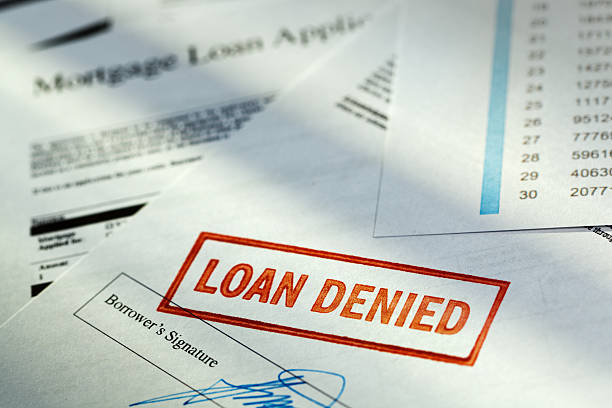
Check your credit at least 6 to 12 months before you plan to apply for a mortgage. This gives you enough time to fix any errors on your reports, like mistakes in your name or accounts that aren’t yours. It also gives you time to improve your score by paying down credit card balances and making every payment on time. A last-minute check might show problems you can’t fix quickly, which could delay or ruin your home-buying plans.
Try to use a very small amount of your available credit. A good rule is to keep your balance below 30% of your credit limit. For example, if your limit is $1,000, try to keep your balance under $300. Using less than 10% is even better. This shows you are responsible and not desperate for credit. High balances make it look like you rely too much on borrowed money, which can worry lenders and lower your score.
Look at your budget. Find even a small, comfortable amount you can add to your payment every month. Set up an automatic payment for that new, higher total. This way, you don’t have to think about it each month. Start with what you can, and try to increase it whenever you get a little extra cash, like a tax refund or birthday money.