

Searching for the right first offer? A second (or third) chance? Find simple, real steps to build your credit history, gain control, and reach your financial goals with confidence.
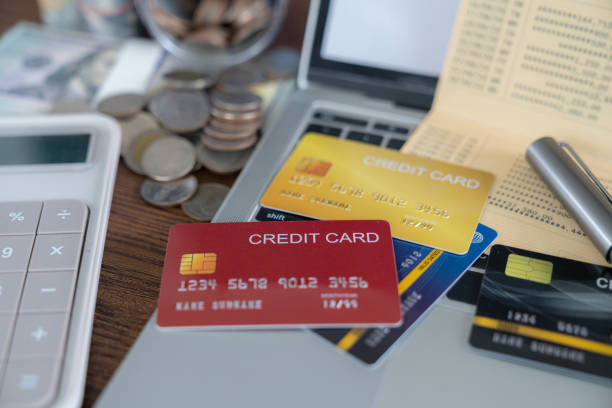
Think of your oldest credit card like a good pair of jeans. The longer you’ve had them, the more comfortable and reliable they feel. Credit scores work the same way. When you keep your very first card open, you’re showing lenders that you’ve been handling credit responsibly for a long time. That “age” of your account is a big part of your score. Even if you don’t use it much, just having it open and paid on time tells the system, “Hey, I’m a steady, safe borrower.”
Closing that old card is like ripping out a solid foundation stone. It can make your credit history look shorter, which might lower your score. You don’t have to use it every week. A small monthly purchase—like a pack of gum or a cheap streaming subscription—keeps it active. Then just pay it off when the bill comes. That tiny habit protects the age of your account and helps your credit stay strong. So, resist the urge to clean house and shut that old card down. Holding onto it is one of the easiest, free ways to build a better score.

Have you ever wanted to build a good credit score but felt stuck because you don’t have a credit card? There’s a clever trick you might not know a...
Read More
Let’s talk about something really important: keeping your credit safe from people who want to trick you. When you’re working hard to build strong ...
Read More
Let’s be real, your credit score can feel like a mysterious number that just sort of exists. You know it’s important for things like getting a car...
Read More
Building good credit in your twenties and thirties is one of the smartest things you can do for your future. Think of your credit like a report card f...
Read MoreYou can get your report for free, once a year, from each of the three major credit bureaus. Just go to AnnualCreditReport.com. That’s the only official free site. You can request reports from Equifax, Experian, and TransUnion. It’s smart to check all three because they might have different information. Review them carefully for any details that look wrong or unfamiliar.
When you pay more, you lower your balance faster. Credit bureaus see that you’re using less of your available credit, which makes you look responsible. A lower balance compared to your limit (called credit utilization) can quickly boost your score. It shows lenders you’re not maxed out and you’re serious about managing your money well.
You should always still check your full statement each month. Think of alerts as your first line of defense—they catch the big, obvious things right away. But sitting down to review your statement lets you look for smaller, sneaky charges or mistakes you might have missed. It’s the perfect one-two punch: alerts for instant updates and a monthly review for the complete picture. This habit makes you a proactive manager of your own money and credit.
The easiest way is to set up automatic payments for at least the minimum amount due. You can also use a calendar on your phone with alerts a few days before each date. Another great trick is to pick one or two specific days each month to check all your accounts online. This way, you won’t be surprised by a due date you forgot about and you can avoid late fees.
When you look at your report, focus on three things. First, check that all your personal information is correct. Second, look at the list of your accounts and loans to make sure they are all yours and the details are right. Third, and most important, look for any late payments listed. If you see accounts you don’t recognize, late payments you think you made on time, or wrong personal info, you need to fix those errors.